Alaska Airlines is enhancing its offering with lie-flat seats on Boeing 737 MAX 10s and a luxurious business lounge, raising the competition in premium travel.
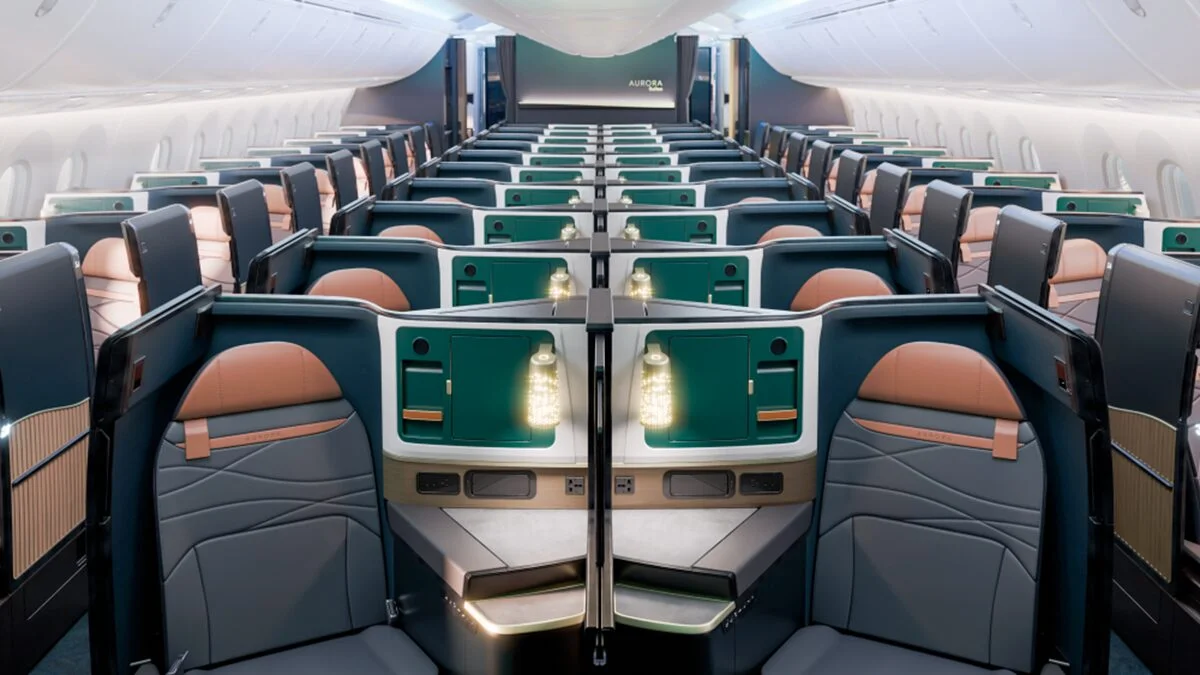
Alaska Airlines is stepping up its game by adding lie-flat seats to its Boeing 737 MAX 10 fleet, set to debut in 2028. This move aligns Alaska with competitors like United and American Airlines, who have long provided premium domestic products. Each of the new 737s will feature 12 Aurora Suites, alongside a dedicated premium economy cabin, broadening comfort options for transcontinental flyers.
Strategic Upgrade of the Boeing 737 MAX 10
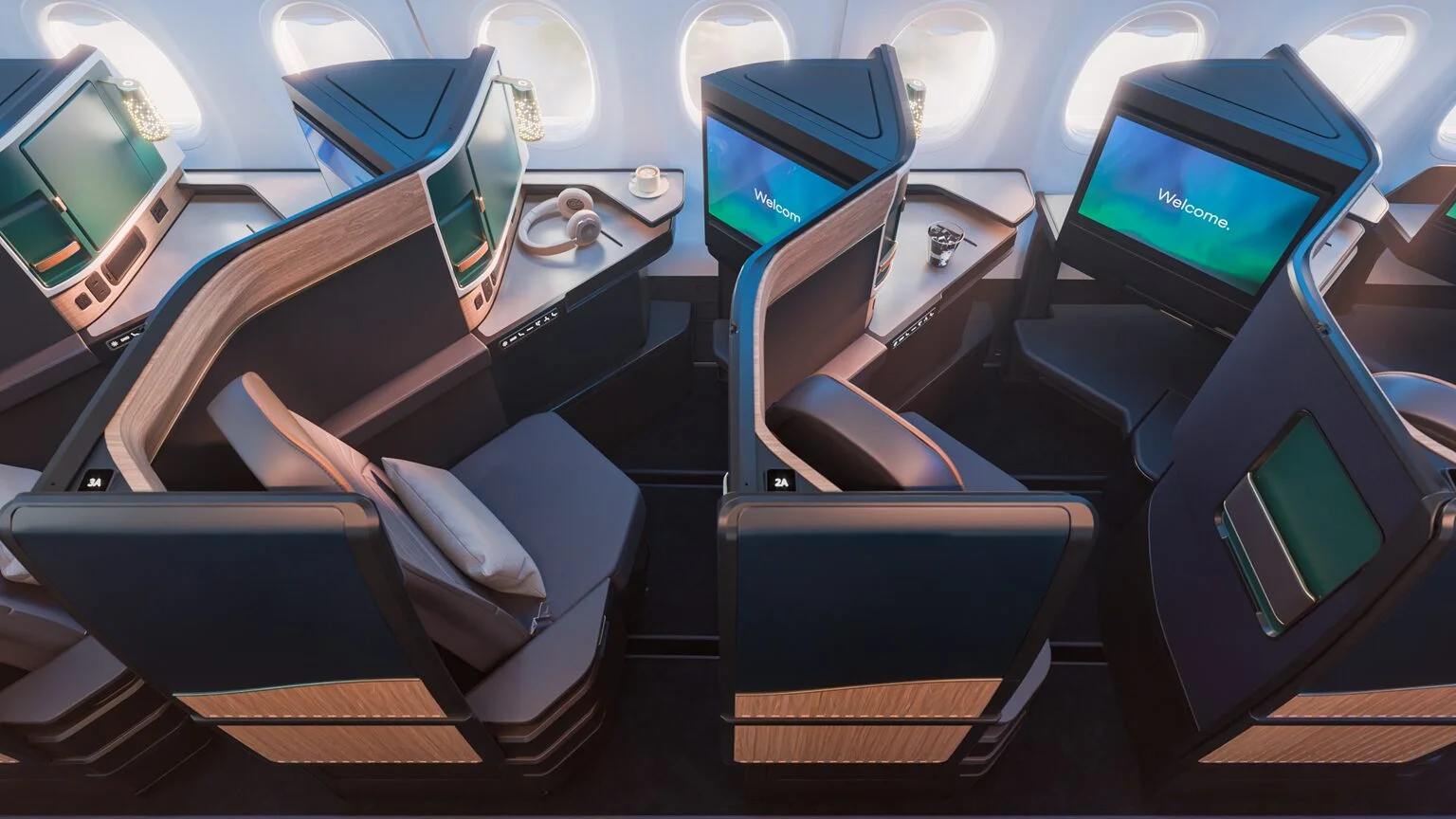
Alaska 737 MAX 10 Business Class
As airlines continuously seek to differentiate themselves in a crowded market, Alaska's decision to outfit its Boeing 737 MAX 10 fleet with lie-flat seats represents a significant enhancement in its service offering. These lie-flat beds in the Aurora Suites not only elevate passenger comfort but are also a direct response to the rising expectations of travelers seeking more luxurious experiences on domestic flights. While Alaska's competitors have long set the standard with such offerings, this development is a critical step for the airline to remain relevant, especially on transcontinental routes where comfort becomes essential for lengthy travel times.
Refreshing the Long-Haul 787 Fleet
In addition to the 737 upgrades, Alaska is refreshing its long-haul 787 fleet. With the departure of Hawaiian's old Airbus A330 interiors, the 787s will sport a new Aurora design, while retaining much of their premium seating configuration. This strategic shift is essential for maintaining competitiveness on long-haul routes, as Alaska positions itself in the expanding cross-country market.
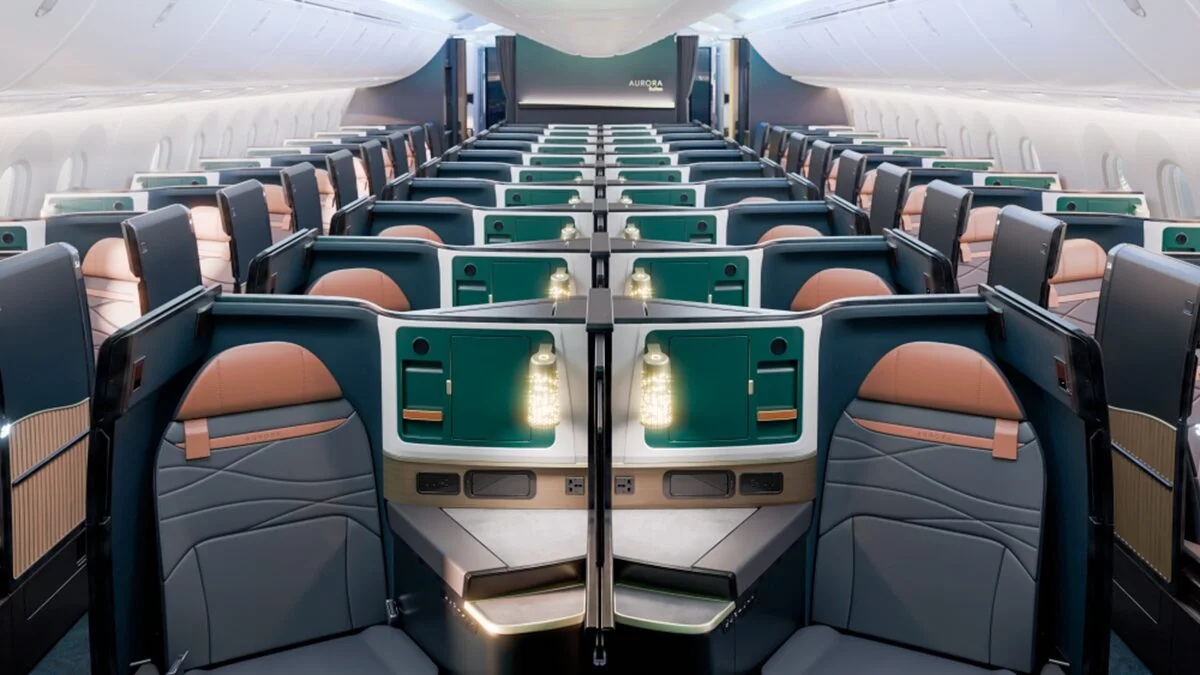
Alaska 787 Business Cabin Rendering
Unlike the drastic changes seen in other airlines’ aircraft redos, Alaska's upgrades to its Boeing 787 fleet focus on maintaining an existing premium layout while incorporating modern design elements. By retaining a high percentage of premium seating—46% in the revamped 787-9 configuration—it caters to the increasing demand for elevated travel experiences. As cross-country travel grows, especially after years of pandemic-induced restrictions, a modernized fleet might be the key to attracting the business traveler who values both comfort and convenience.
A Lounge Experience to Rival Competitors
Alaska’s new lounge, which is currently under construction in Seattle, aims to enhance passenger experience with amenities like showers and dining options. However, accessibility remains uncertain as the airline has yet to clarify entry for passengers using the new domestic suites.
The Seattle lounge is designed with a focus on pre-flight relaxation and efficiency. At around 41,000 square feet, it’s large enough to accommodate a significant number of passengers wanting to enjoy various exclusive features like wellness spaces that directly cater to traveler needs—a trend gaining traction in the airline industry. But here's the thing: without clear guidelines on who can access these premium facilities, potential customers might feel alienated, especially those flying on economy or standard fare tickets. Such uncertainty could overshadow Alaska's attempts to bolster its brand among high-end travelers.
Design and Configuration Insights
The renderings of the 737s display a thoughtful design, featuring seats angled toward windows and direct aisle access. This not only provides comfort but also enhances the aesthetic appeal, as the aircraft will reflect a northern lights theme similar to Alaska's international Dreamliners.
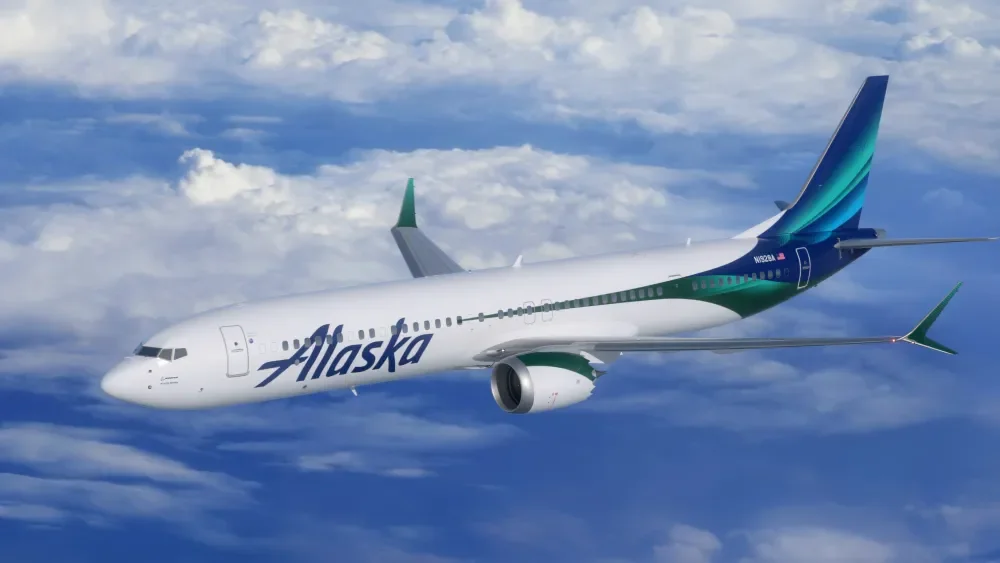
Alaska 737 MAX 10
Notably, each aircraft will only house 12 suites, which is fewer than what competitors like American’s A321XLR and United's Coastliner offer. This smaller capacity could work to Alaska's advantage by making it easier to fill these premium seats, albeit at the cost of revenue potential and fewer upgrade opportunities for frequent flyers.
What this means for you, dear reader, is that while Alaska’s fewer suite offerings allow for a more exclusive atmosphere, it may limit the earnings potential from upgrades, which is a vital revenue stream for airlines. Frequent flyers may find the lower capacity attractive due to the improved odds of snagging a premium seat, but the trade-off is significant: the potential for higher trip costs. And yet, the airline might still attract the elite tier of travelers, willing to pay a premium for enhanced comfort.
Future Routes and Market Implications
The exact routes for these new domestic suites have not been disclosed, yet connections from Seattle to New York and potentially Boston seem to be on the radar. Interestingly, the MAX suites will not have doors, distinguishing them from many high-end offerings in the market. Alaska's new premium economy cabin will be branded as Premium Reserve, featuring recliner seats with leg rests for added comfort.
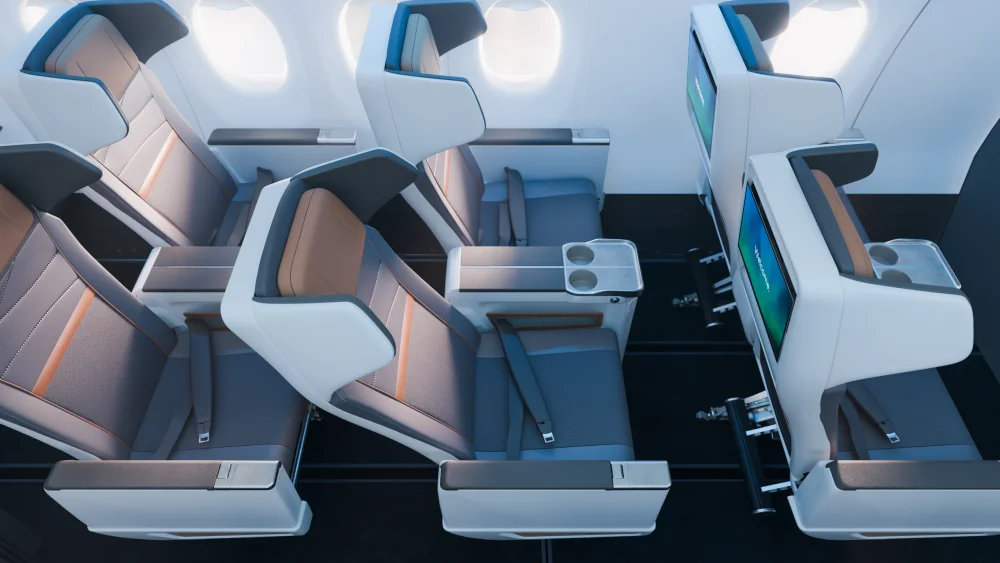
Alaska 737 MAX Premium Economy
Enhancing its domestic routes might help Alaska Airlines capture a larger share of the cross-country market. However, if rival airlines step up their offerings or price aggressively, Alaska may have to rethink their strategy. That said, the absence of doors in the MAX Suites could be a dealbreaker for some travelers. While openness can promote a sense of space, it also strips away the privacy traditionally offered in similar classes by competitors.
Expanding Loyalty and Partnerships
The upgrades to Alaska's 787 interiors are relatively modest, but crucially, they will maintain a high percentage of seating allocated to premium experiences—46% in the revamped 787-9 configuration. Additionally, the planned enhancements to the Hawaiian A330s will ensure that business class seats come equipped with direct aisle access to maximize convenience for travelers.
The Seattle lounge, anticipated to fill a competitive gap against Delta's offerings in the same market, aims to elevate the pre-flight experience for Alaska's clientele. This model will include exclusive features such as wellness spaces and meals served with table service in designated sections, enhancing the overall service spectrum.
Looking Ahead: Implications for Alaska Airlines
Lastly, Alaska has partnered with Bank of America to introduce points transfers, enhancing loyalty program connectivity and benefiting a broader customer base.
This partnership signifies a recognition of the importance of loyalty programs in fostering customer satisfaction and retention. If Alaska Airlines can effectively integrate these points transfers, it might bring in a new flood of travelers looking to capitalize on rewards, thus expanding its reach. Alaska’s strategic enhancements, both in aircraft and customer experiences, indicate a clear intent to compete more aggressively. The future holds promise, but with increased competition looming, sustaining this momentum might be their biggest challenge yet.

Discussion
Sign in to join the discussion.