The TSA is considering allowing PreCheck passengers to bring full water bottles past security, signaling a potential shift in liquid restrictions.
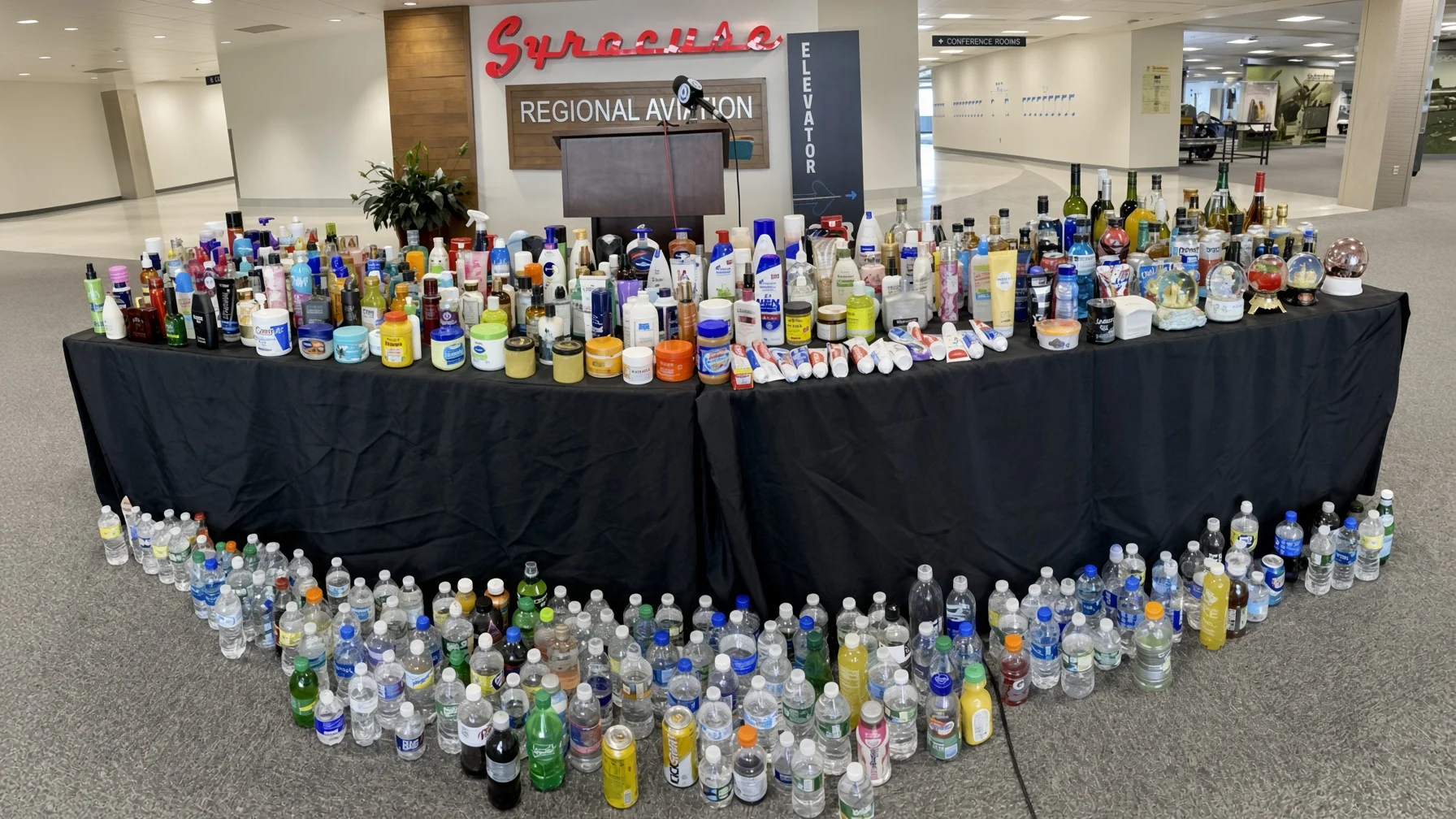
TSA is contemplating a significant policy adjustment that could permit PreCheck travelers to carry full bottles of water through airport security. This potential change arises nearly two decades after the agency instituted liquid restrictions, sparked by fears of liquid explosives. If implemented, it would be a welcome relief for travelers tired of discarding their water before going through security checkpoints.
The Proposed Measure for PreCheck Travelers
The proposed measure focuses solely on PreCheck passengers, initially applying only to specific airports equipped with advanced CT scanners. These scanners, often touted for their ability to identify the contents of liquid containers accurately, may well be the key to easing longstanding liquid regulations. Former TSA Administrator John Pistole advocated for this change back in 2014, yet bureaucratic inertia has stymied any progress since then. Indications are that if this policy comes to fruition, it could set a precedent for broader changes across airport security.
There’s a distinct pattern in how technology can reshape policies. Innovations often lag behind public necessity and expectation. Here’s the thing: passengers have been frustrated for years, often needing to choose between hydration and compliance with security regulations. The reliance on outdated rules conflicts with modern technology capable of enhancing security while also improving the travel experience. It’s a curious contradiction, especially as air travel continues to be a vital conduit for personal and business interactions.
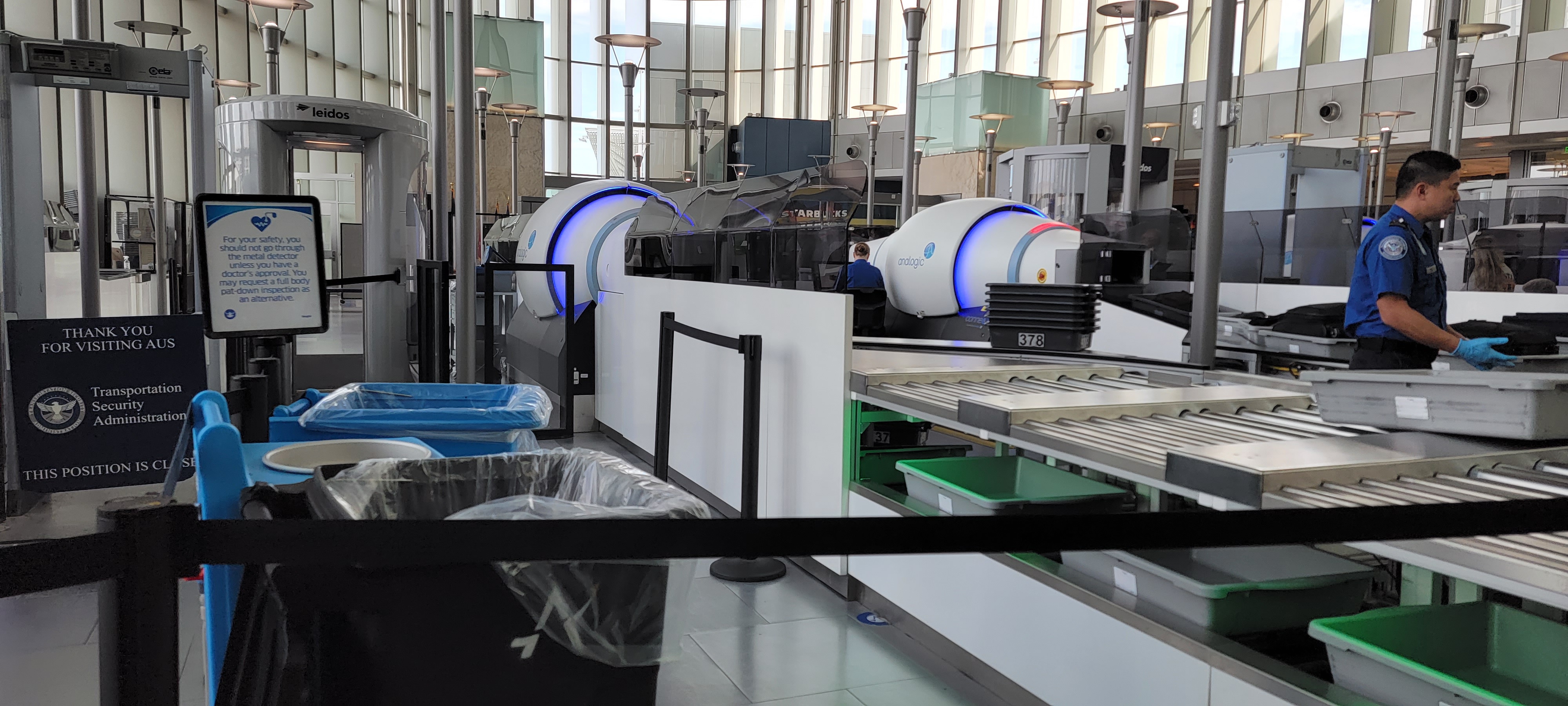
The rollout hinges on the availability of Analogic CT scanners, which were first introduced at Dallas/Fort Worth International Airport in November 2017. Reports from The New York Times indicate that the TSA believes advancements in security technology could catalyze a change. And yet, Pistole mentioned that any implementation is unlikely before travelers flood airports for the holiday season, which raises questions about the urgency behind this potential policy shift.
As technology evolves, T.S.A.’s multilayered security protocols will evolve, including benefits for our most trusted travelers.
This potential exemption for water bottles doesn’t imply an overhaul of the 3.4-ounce rule currently governing other liquid items. Travelers still face the inconvenience of discarding beverages like coffee or any other liquid that doesn’t fit the prescribed limits. Even peanut butter—classified as a liquid by the TSA—remains on the blacklist. This inconsistency leaves many wondering if the TSA genuinely believes that the dimensions of liquids present a significant threat, or if it's merely a case of following established protocols.
The Origins of Liquid Restrictions
The genesis of restrictive liquid policies dates back to August 10, 2006, when authorities imposed a near-total ban on carry-on liquids following a thwarted plot to use liquid explosives on transatlantic flights. Initially, the TSA enforced a broad prohibition but later updated it in September 2006 to the now-familiar limit of travel-sized containers, originally specified at three ounces and later adjusted to 3.4 ounces (100 milliliters). That change, while practical in theory, has often felt arbitrary and disconnected from actual security measures.
While PreCheck participants have undergone security vetting and are generally considered lower-risk, the rule has persisted far beyond its applicability. It's hindered by bureaucratic caution and fear of liability. Calls for a change reverberated as far back as November 2014, with TSA's then-chief indicating support for easing liquid restrictions for trusted travelers. Reform, however, has been slow and filled with red tape, mainly due to an ingrained reluctance to alter security measures post-terror threats. There’s a pervasive worry about appearing to let down the fortress-like defenses that have been built around aviation security.
Trusting the Vetted Passenger
Supporting the essence of the PreCheck program is essential: identifying and simplifying the travel experience for lower-risk individuals while focusing on resources where they matter most. The TSA hasn’t just disregarded the threat posed by confiscated liquids; they treat them with a surprising casualness. The reality is that these liquids are often disposed of without any hazard management protocols in place, raising questions about why such stringent measures are needed in the first place.
International airports, like London City Airport, have started easing their liquid policies, which might serve as a reference for the TSA's future actions. Despite that, the TSA continues to signal that further changes will likely hinge on widespread adoption of updated scanning technology, which could take years. You have to wonder if the TSA is waiting for the right moment to recalibrate their approach or if they’re simply resistant to change.
The uncertainty surrounding which checkpoints will adopt these changes, as well as what travelers might face if they encounter a closed PreCheck lane, adds yet another layer of complexity. However, the immediate benefit for the outbound journey is clear—if travelers can carry water to the airport, they'll likely consume it before any return trip, regardless of re-enforced policies back home. Hydration becomes essential, and airports need to recognize that.
Implications and Future Outlook
The implications of potentially lifting the liquid ban for PreCheck travelers are vast. A relax of these restrictions could signal a broader reevaluation of airport security protocols, possibly leading to similar relaxations for all travelers in the future. This could very well reflect a gradual shift towards more passenger-centered considerations in security measures—where technology does meet sensible travel norms. But it also raises significant questions about the precedence it sets. If trusted travelers can now carry water, will there be further relaxation of other outdated rules that serve more as bureaucratic hurdles than security necessities?
If you're working in this space, the stakes are high. The TSA's eventual decision could redefine how air travel is experienced for millions, shaking off the remnants of post-9/11 regulations that feel increasingly disconnected from modern security needs. Ultimately, how the TSA navigates this transition might reveal much about the agency's willingness to adapt to an evolving travel environment.

Discussion
Sign in to join the discussion.