TSA now allows non-flyers access to gates via a Gateside pass at more than 300 airports, enhancing airport experiences for friends and family.
The Transportation Security Administration (TSA) is quietly unveiling expanded access for non-flying individuals at more than 300 airports across the United States. While their official webpage cites only 15 airports, a deeper dive reveals a much broader network now open to visitors.
Gateside Pass Benefits for TSA PreCheck Members
If you're a TSA PreCheck member, you can apply for a Gateside pass at no cost. This pass permits you to meet someone at their arrival gate, accompany someone to their departure gate, or simply enjoy the airport amenities with a friend during a layover. Importantly, unlike previous programs, using the Gateside pass doesn’t forfeit your TSA PreCheck privileges. This alone is significant — many members often weigh the benefits of additional programs against what they could lose in terms of their existing privileges. This program actually enhances the TSA PreCheck experience.
Access Available at Over 300 Airports
Despite the lack of widespread public announcement, some airports have shared their participation in programs like Tulsa International Airport. Eligible TSA PreCheck members can now request access beyond security screening without needing a boarding pass for same-day travel. This opens up incredible opportunities: you’re free to enjoy the terminal's amenities and help alleviate the stress of farewells and reunions. The best part? There’s no charge for the Gateside pass.
- Application Process. You can apply one to three days before your visit by navigating to the TSA’s Gateside page. The process requires you to sign in using Login.gov and input details such as your Known Traveler Number, the airport you'll be visiting, and your intended date of access. That might seem a bit convoluted but ensures security protocols are maintained.
- Confirmation Required. Make sure you’ve received approval before heading to the airport. While the system is designed to be user-friendly, its scalability remains a point of concern as more airports participate. Rapid increases in demand could easily choke the system, causing delays in processing.
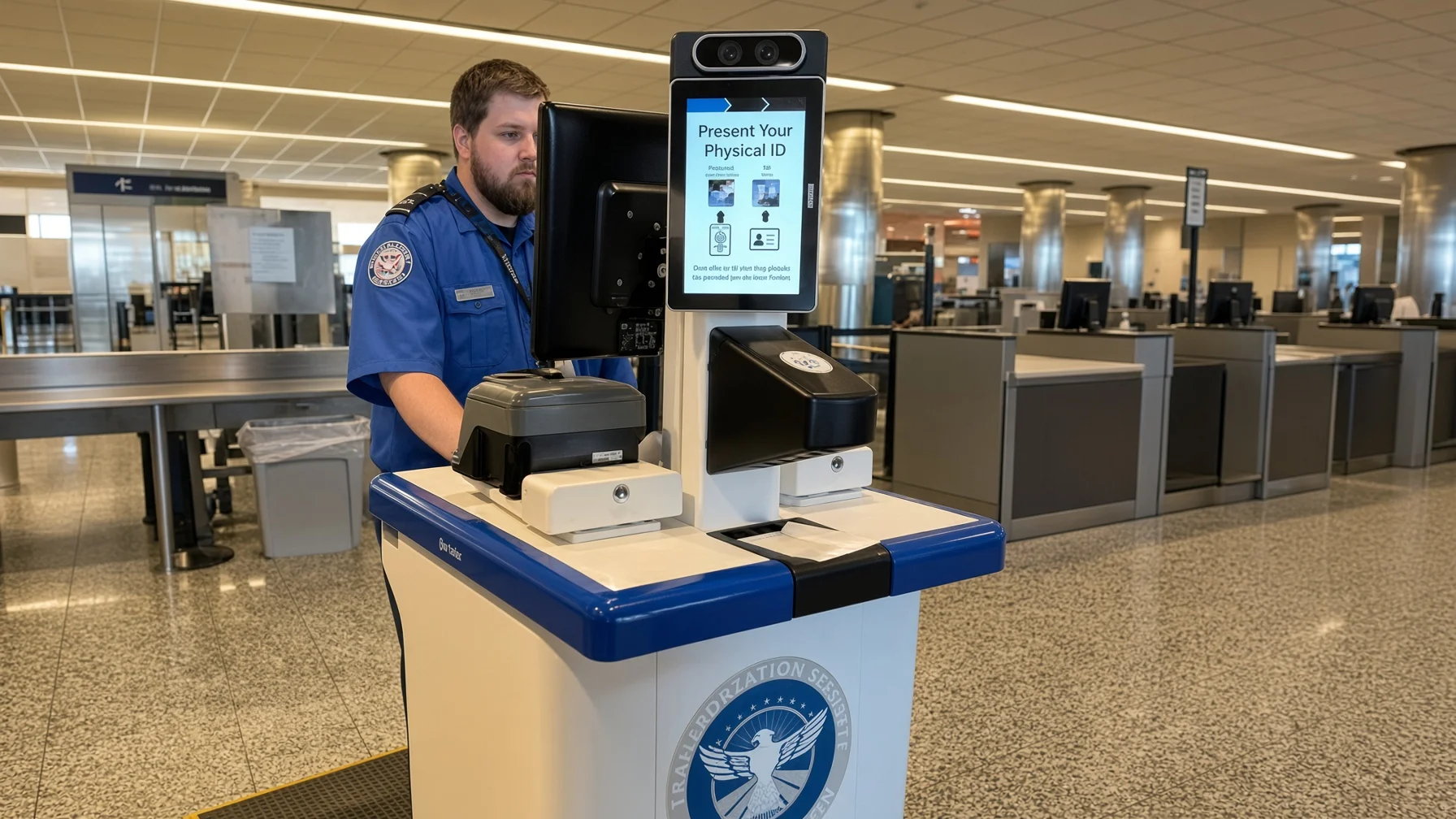
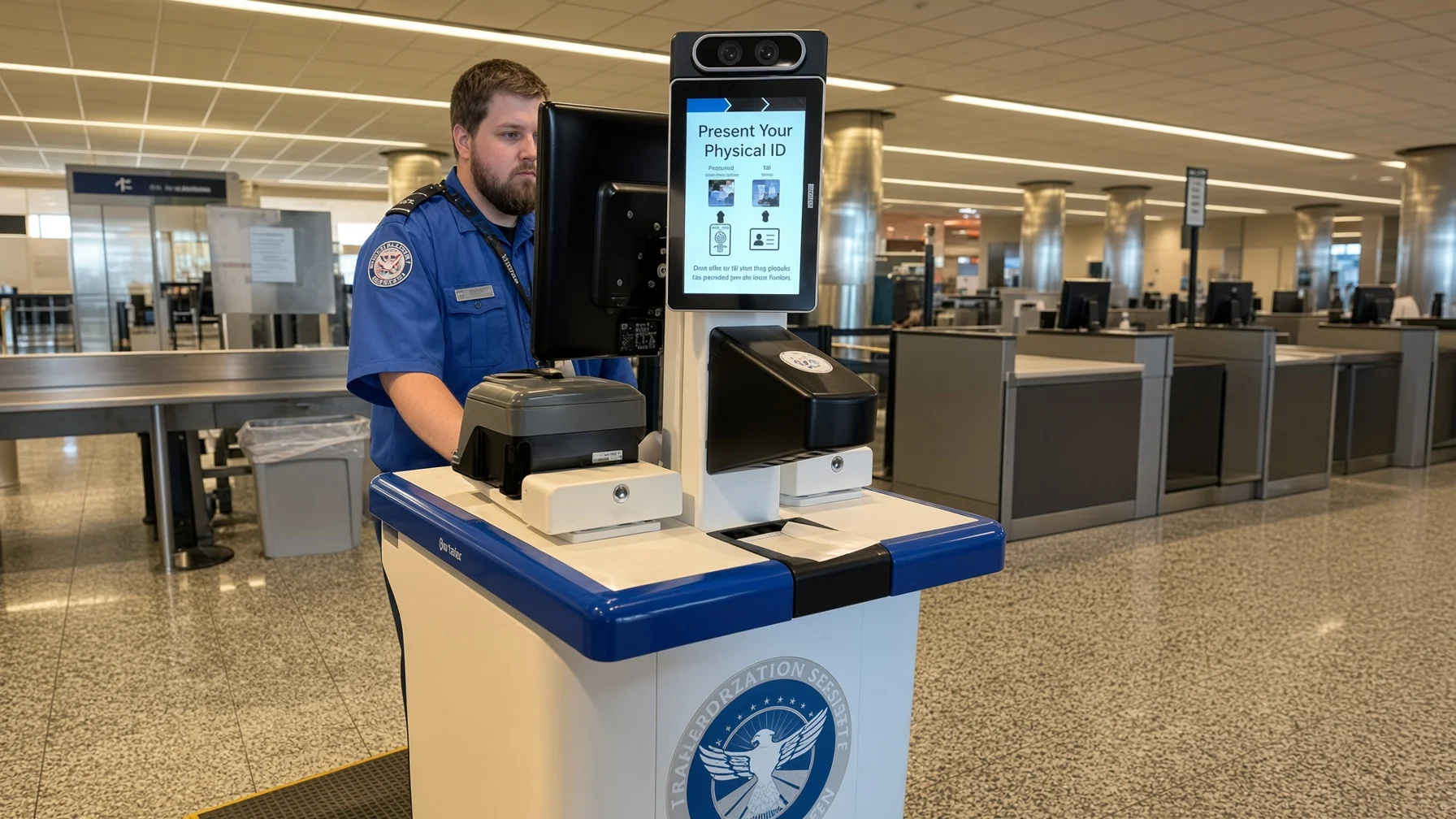
- ID Necessary. While the Gateside program doesn't operate through TSA Touchless, you'll still need to use the TSA PreCheck screening lane. This maintains security without complicating processes for travelers who are already familiar with PreCheck’s inherent advantages.
- Digital Approval Required. Ensure you display your live approval on your phone as screenshots or printouts won’t suffice. This smartphone requirement does seem to speak to the TSA's push towards digital processes, but it does place additional demands on travelers who might not be tech-savvy.
- Children’s Pass. If you're bringing children, be sure to register them as well—every visitor must be included in the approved count. This ensures that younger passengers don’t get caught in the fray, but it does require planning ahead.
- One-Day Pass. The Gateside pass is valid for one calendar day, though you’ll still need to undergo security screening. This limitation may not be ideal for longer visits but does offer some flexibility for those on quick trips.
Individual airports may impose limitations on availability. For instance, San Jose Airport restricts access to 75 passes per day per checkpoint, which highlights the fact that even with expanded options, demand management remains a priority for the TSA. Additionally, having a Gateside pass does not grant you access to airport lounges, which usually require a same-day boarding pass for entry. If you're hoping for a more luxurious experience during a layover, this is a point to consider.
A Historic Shift in Airport Access
This expansion reflects a long-awaited change. The idea of allowing visitors through airport security dates back years, with earlier initiatives, such as those seen in Pittsburgh, leading the way. Historically, such access was commonplace until security measures tightened post-9/11, with the TSA restricting entry to manage throughput without adequate justification. This shift back toward visitor access seems to tap into a collective desire for enhanced personal connectivity during such transient times.
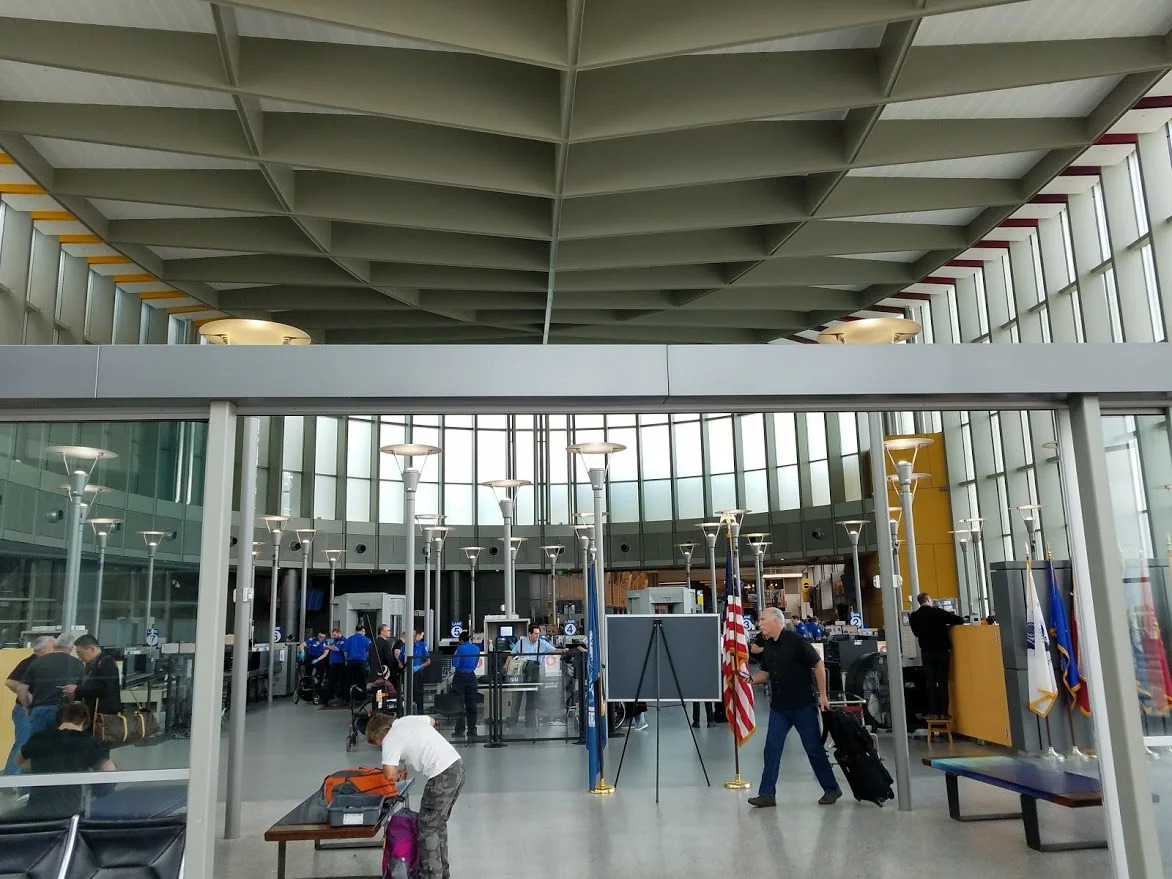
The new program is set to enhance the airport experience, making it easier for family and friends to connect. However, the current 1-3 day advance registration could be a limitation for those with spontaneous travel plans, particularly for unexpected long layovers. It would be beneficial if the registration process could be streamlined further. What this means for you, as a traveler, is that while the options have expanded, elements of unpredictability still linger. Nevertheless, this marks a positive shift for travelers and a commendable approach by the TSA.
Implications and Future Outlook
This program's emergence could signal a broader trend in airport operational philosophy: prioritizing traveler satisfaction alongside security needs. As more airports adopt these policies, we might see an increase in the types of amenities offered to visitors, enhancing their overall experience and, by extension, the airport's revenue.
But there's an important caveat here: if the TSA significantly increases non-flying access, could we expect security screenings to adjust? Would the TSA develop more efficient ways to manage foot traffic? After all, more people in terminals means more logistical challenges. Future iterations of this program may need to consider these factors to prevent potential congestion during peak times.

Discussion
Sign in to join the discussion.