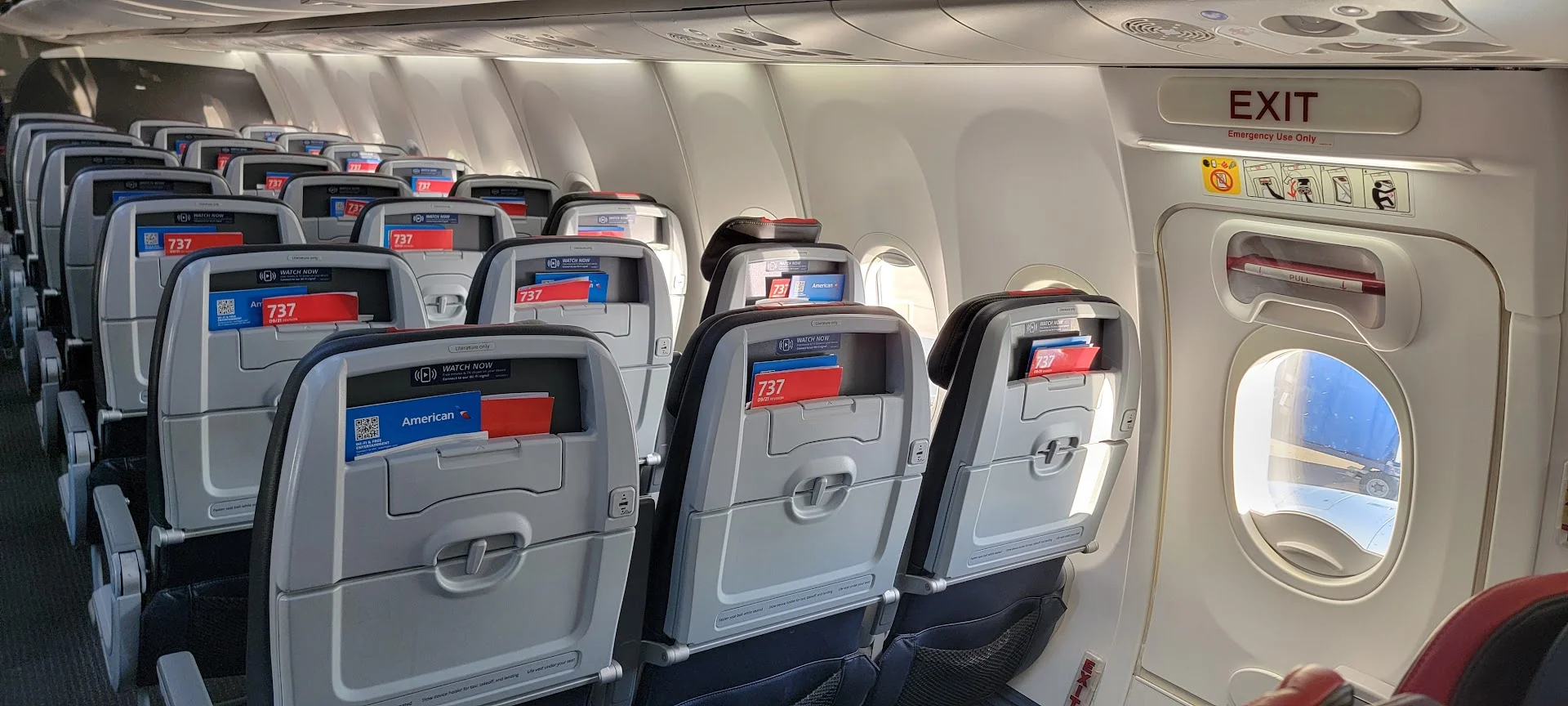
American Airlines faced criticism over steep fare differences between basic economy and standard tickets, reflecting passenger dissatisfaction with loyalty programs.
Insights on recent airline pricing trends:
American Airlines Pricing Strategy
- American Airlines has generated significant conversation around its pricing strategy, with $313 being a common upcharge for upgrading from basic economy to standard fare. In fact, price discrepancies of up to $450 between these fare classes have been observed, raising concerns among travelers eager for better amenities. This isn’t just an abstract issue; it strikes at the very heart of consumer trust and satisfaction in an industry that has been criticized endlessly for its lack of transparency.
When a traveler books a flight, they expect fair treatment, particularly if they're loyal to a specific airline. Many regular passengers express frustration, especially upon realizing that airlines often prioritize pricing over customer loyalty. They invest time and money, hoping for recognition and rewards, yet they often find themselves treated merely as ticket purchasers. This transactional relationship highlights a broader industry trend where loyalty programs are under scrutiny and basic economy is becoming a stark reminder of how inflexible airline pricing can be.
Discussions in the American Airlines subreddit highlight customer sentiments around pricing.
Corporate Tensions at Disney
Chapek’s assertion raises questions about governance and decision-making at major companies. What was initially thought to be an operational decision may reveal underlying power struggles. In an age where brand loyalty is felt deeply by consumers, corporate maneuvering can damage the very experience that amenities like attractions are designed to enhance. Remember how brief moments of friction can sour long-standing relationships—in this case, between a beloved theme park, its management, and ultimately its guests.
Airbnb's Rating System Under Scrutiny
The implications are significant. If you're working in this space, how can you trust something that appears so one-sided? A lack of true diversity in ratings raises the larger issue of marketplace transparency and encourages buyers to question the reviews they rely upon before making significant financial commitments.
Airbnb’s entire rating scale is now 4.5 to 5.0
You can’t make this up 😂 https://t.co/43Nsjuaktb
— @levelsio (@levelsio) October 5, 2026
Passenger Behavior and Airline Policies
When passengers misbehave, it creates discomfort not only for those directly involved but for everyone else on the flight. Conversations surrounding this event extend beyond just airline policies; they raise broader societal questions about personal responsibility and accountability, even while traveling on corporate vessels.
🚨CREEP ALERT🚨
A Maryland bartender allegedly took off her pants and began masturbating on an American Airlines flight when she was flying to Miami. The incident has raised several eyebrows.
— Breanna Morello (@BreannaMorello) October 5, 2026
Airlines and Financial Transparency
It seems that regardless of the outer appearance of control and profitability, the underlying mechanisms are far more intricate and often concealed. This dissonance can undermine consumer confidence, long-term brand loyalty, and operational trust. It’s a reality that could lead to harsher scrutiny and, ultimately, regulatory actions if consumers feel misled.
Implications and Future Outlook
The issues surrounding airline pricing and corporate decisions aren’t just fleeting headlines; they reflect a pivotal moment for both the airline industry and entertainment sectors in how they interact with consumers. As travel resumes post-pandemic and consumer expectations shift, these type of narratives around loyalty, transparency, and accountability could reshape competition. If companies take these concerns seriously, they may find themselves better positioned in a market that increasingly values genuine consumer engagement.
Perhaps the most relevant takeaway? Companies must remember that customer experience extends beyond transactions. Effective engagement—where communication, policies, and values align—can forge lasting brand loyalty in a highly competitive environment. If they disregard these lessons, consumer backlash could be swift.

Discussion
Sign in to join the discussion.