United Airlines is set to equip over 1,000 jets with Starlink internet by May 2027, outpacing Delta's timeline and enhancing its appeal to premium travelers.
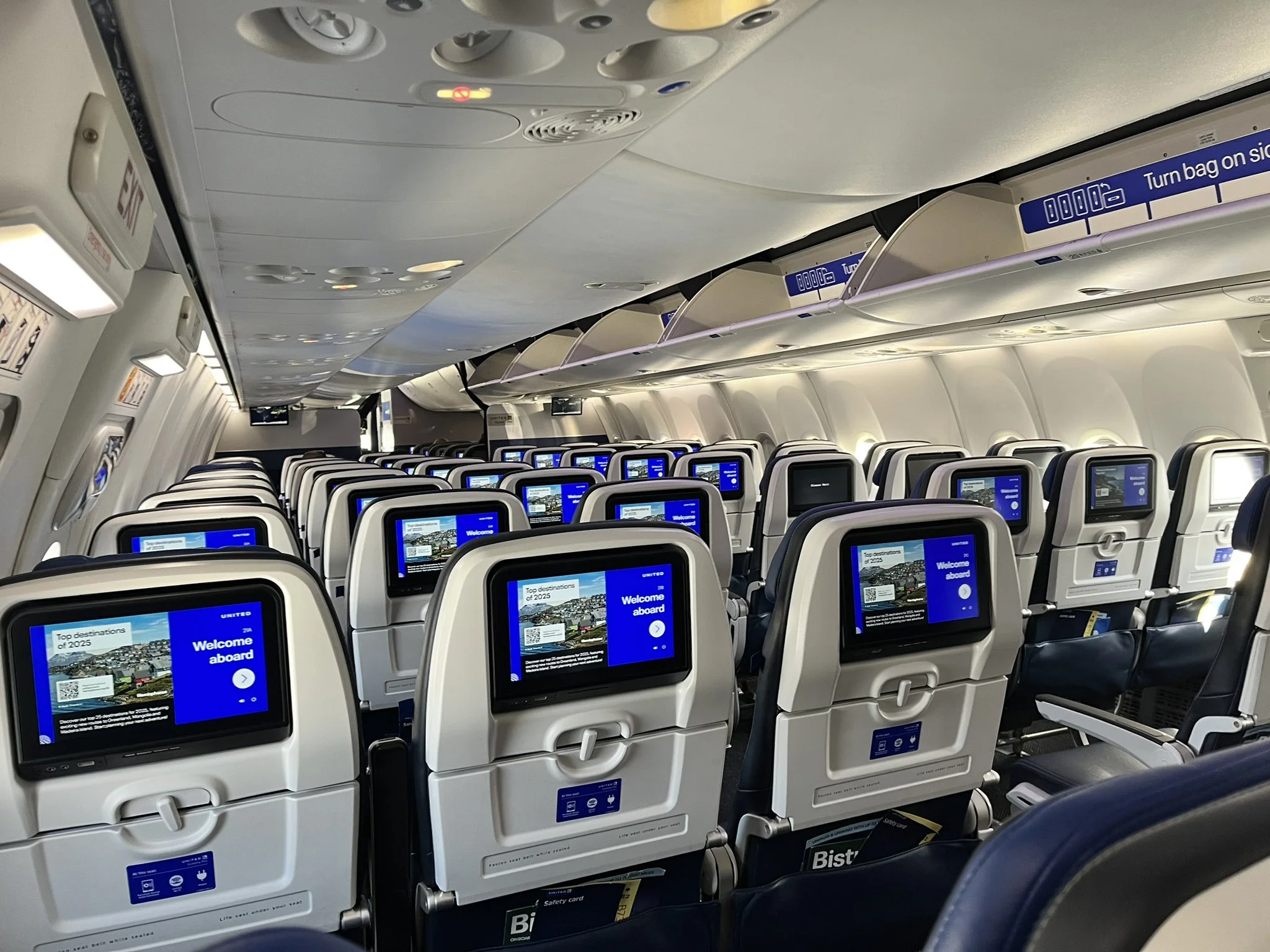
United Airlines is doubling down on its commitment to satellite internet, aiming to have Starlink connectivity on more than 1,000 mainline planes by May 2027. This ambitious rollout, revealed through a leak by aviation expert JonNYC, outstrips previous forecasts and positions United to effectively compete against Delta, which plans to begin adding Amazon’s satellite service only in 2028.
The new timeline indicates United's capability to complete over 20 installations weekly across 17 maintenance stations, significantly accelerating its deployment. Given that Delta's strategy affects only about half of its 1,000 mainline jets, United is poised to attract Delta's frequent flyers seeking reliable onboard connectivity.
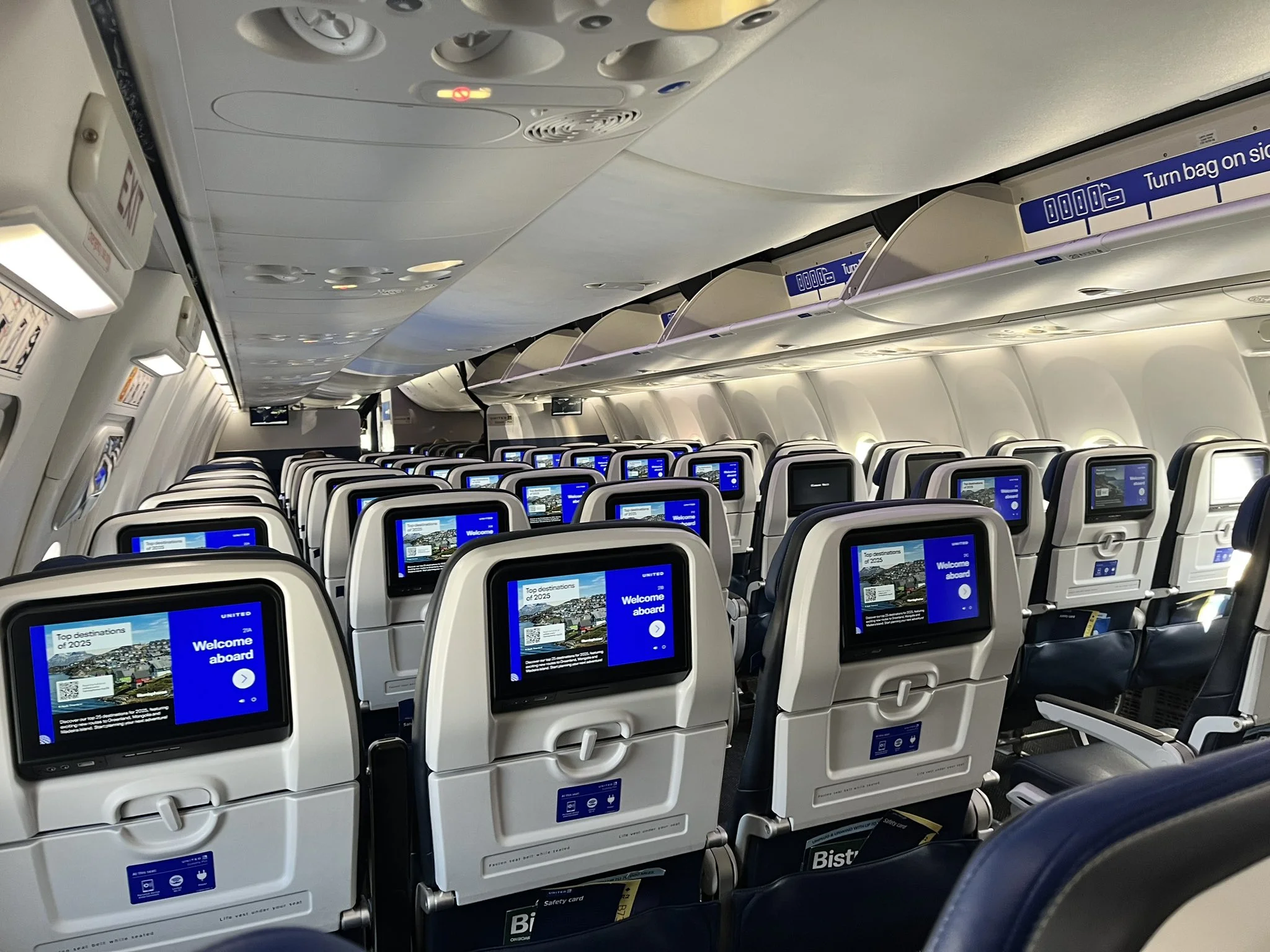
Historically, I've avoided United due to its subpar in-flight Wi-Fi services. With Starlink, though, the equation changes dramatically. The prospect of dependable internet at altitude makes it worthwhile for travelers, especially those who prioritize productivity during flights. After all, in a world where time is money, having functional internet is often worth a premium fare.
UA accelerating the Starlink rollout.
— JonNYC (@xJonNYC) October 6, 2026
Evolution of United's Starlink Rollout Plans
Initially, United's Starlink implementation was set to be a multi-year endeavor, but the airline has made swift progress, regularly updating its rollout targets. The aviation industry typically witnesses delays in such projects, but given the competitive edge Starlink provides, United seems intent on pushing through with rapid installations.
- September 2024: United first announced plans for free Starlink across its fleets, with testing to begin in early 2025 and subsequent passenger service by late that year.
- January 2025: The airline pushed up the timeline for initial passenger flights to spring and aimed to equip its regional fleet by end of 2025.
- February 2026: Reports indicated over 300 regional aircraft had Starlink, with plans for more than 500 mainline installations within that year, bringing the total past 800.
- June 2026: United raised its target to nearly 1,000 aircraft by year-end, now counting both mainline and regional jets.
- Current Target: The revised goal lays out more than 1,000 mainline aircraft equipped with Starlink by May 2027, a notable acceleration.
This latest target represents a focused effort on United's part, distinct from earlier metrics that included regional jets. Not every aircraft will be equipped by the defined deadline, but this aggressive timeline clearly indicates United's commitment to enhancing its Wi-Fi offerings.

Installation operations span locations in the U.S., Latin America, and Asia, with 17 active stations including cities like Houston, San Antonio, Hong Kong, and Singapore. This widespread approach ensures that enough facilities are available to meet the ambitious installation speed while maintaining flight schedules.
Targeting Delta's Frequent Flyers with Starlink
This rapid rollout comes at a time when United is directly competing with Delta for high-value customers. With Delta's decision to choose Amazon over Starlink provoking ridicule, the rivalry is intensifying. Previous reports highlighted Delta CEO Ed Bastian's personal critiques of Elon Musk, with Musk retorting that Bastian might lose his job over this decision. Musk has even begun promoting offers from United to entice Delta’s elite flyers.
Through United’s “Switch To Better Wi-Fi” promotion, eligible customers holding Delta or American Airlines status can apply to match their elite status with United through October 15, a significant incentive during this competitive period. American Airlines plans to implement Starlink in its fleet starting next year, further escalating the competition.
The Risks of Delta's Delayed Starlink Deployment
Delta's timeline leans heavily on assurances of future capability with Amazon. Yet, given that the rollout won’t even commence until 2028, the airline risks losing premium clientele who might seek airlines that provide more immediate and favorable in-flight experiences. This approach could leave Delta with years of customer dissatisfaction as competitors enhance their offerings.
Moreover, Delta has partnered with Hughes for its connectivity needs, but that won't satisfy all passengers eager for reliable Wi-Fi options. The company is reliant on a wait-and-see attitude regarding Amazon's capabilities, while competitors like United and American take action now.
- American Airlines: Plans to install Starlink on over 500 Airbus planes starting in early 2027, with potential expansions for their entire mainline fleet.
- Alaska Airlines: Aims for full Starlink coverage across its fleet by 2027.
- Southwest Airlines: Has kicked off its rollout with expectations for more than 300 aircraft outfitted by late 2026.
- Frontier Airlines: Announced plans to adopt Starlink beginning in early 2027.
How In-Flight Connectivity Drives Passenger Choices
As someone who has generally steered clear of United and Southwest due to their unreliable internet, the transition to Starlink presents a critical inflection point. Quality internet is increasingly factored into travel decisions, especially for those needing to work while flying. According to a survey by Honeywell, over 21% of respondents reported they had switched airlines for superior Wi-Fi. Recent findings from Viasat reinforce that trend, showing 75% of travelers prefer airlines offering quality connectivity.
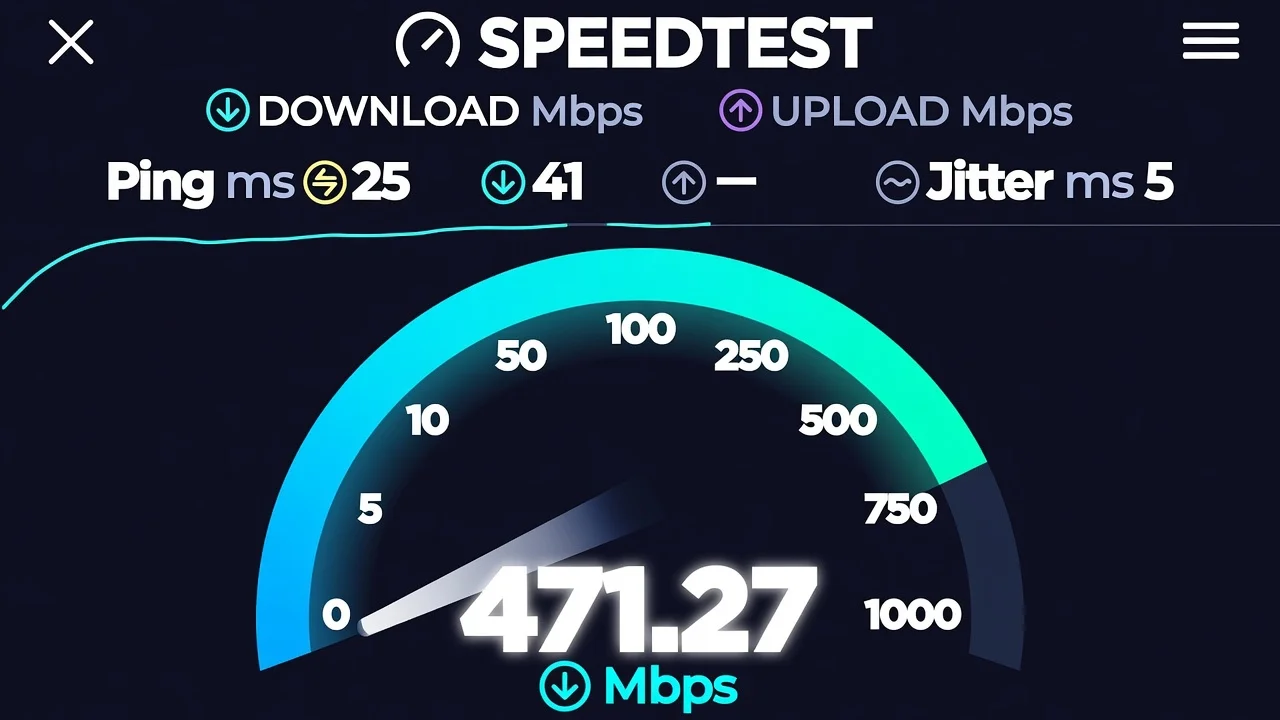
Starlink is noted for providing substantial improvements in Wi-Fi performance, with median download speeds around 152 Mbps and latency figures significantly better than its competitors. Passengers have indicated they are willing to switch airlines for a more productive flying experience, and United's pre-emptive steps could yield significant dividends in customer loyalty and acquisition.
The shift isn't just about comfort — it's tied to the revenue mechanics of premium travel as well. Quality connectivity can drive higher spending, enhance credit card partnerships, and boost loyalty program engagement. As the industry adapts to customer needs, United's proactive strategy may reshape competitive dynamics for years to come.

Discussion
Sign in to join the discussion.