Delta flight attendants face a pivotal moment as union discussions intensify, with stakeholders vying for influence over employee choices.
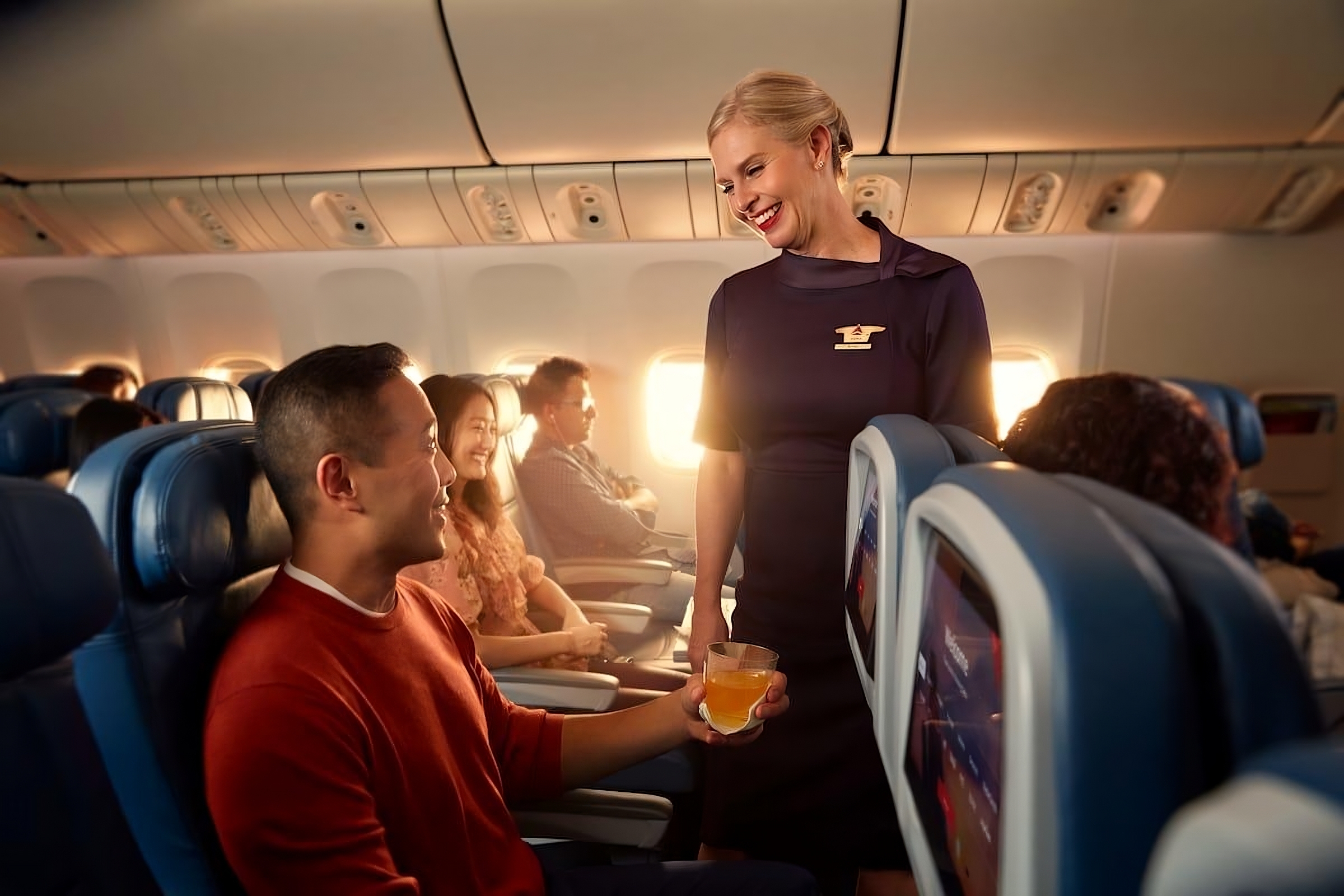
Senator Elizabeth Warren has recently raised concerns about Delta Air Lines allegedly intimidating its flight attendants over unionization efforts. Alongside Massachusetts Senator Ed Markey, Warren sent a letter to Delta CEO Ed Bastian on September 9, urging the airline to adopt a neutral stance during the Association of Flight Attendants’ organizing campaign.
The senators contend that Delta’s assertion that its employees are faring well without union representation constitutes a threat to flight attendants’ future pay and benefits should they choose to organize. However, justifying a lack of unionization does not inherently equate to management coercion. There are multiple valid considerations for Delta's flight attendants to favor their existing working conditions.
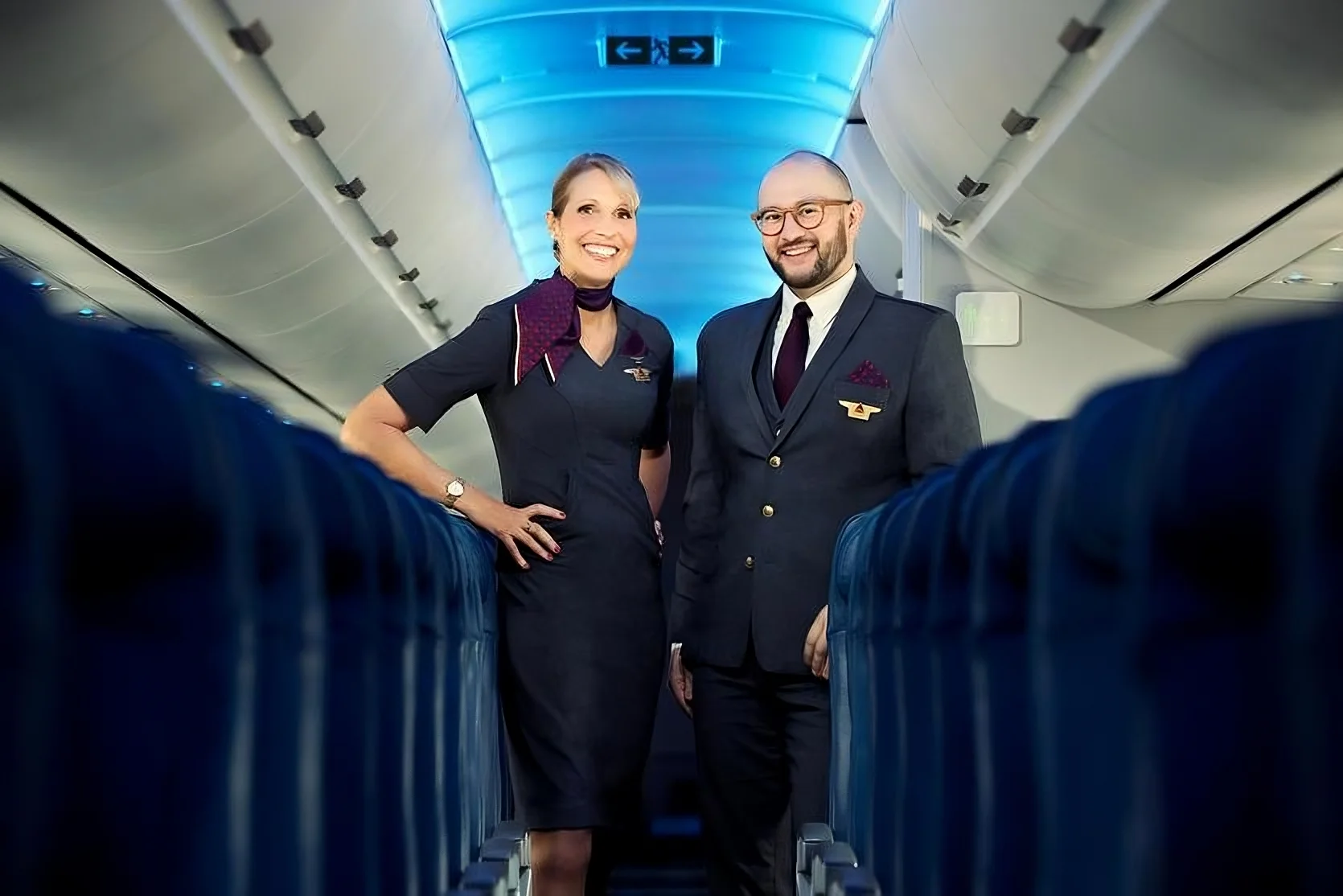
The lawmakers also reference a flight attendant’s claim that trainees are discouraged from discussing unionization while onboard flights, with instructions to report any colleagues who might. As of now, these claims remain unverified in public testimony. In response, Delta has stated its commitment to upholding employee liberties, explicitly opposing any form of intimidation regardless of staff preferences regarding representation.
Warren and Markey advocate for employees to make decisions free from management interference. Yet, their idea of neutrality seems to favor union narratives, allowing the union to project its version of benefits while sidelining Delta’s input on the complexities of those claims. This approach raises questions about how fully informed employees can be under these circumstances.
According to the Supreme Court's interpretation of the Railway Labor Act, providing an accurate comparison of compensation and bargaining prospects isn’t seen as coercive, even if it might influence a vote against unionization.
Moreover, the union’s assertions may not always align with reality. The Association of Flight Attendants claims on its Delta campaign website that the current pay, benefits, and working conditions offer a secure foundation to build upon, stating:
We negotiate up from there.
This statement can be misleading, as collective bargaining doesn't guarantee preservation of all the benefits employees value now. It could very well diminish the salary increases that attendants would have received individually without a union, complicating their financial outlook.
- Historically, Delta flight attendant wages have been notably higher than comparable positions in rival airlines. Their established work culture has fostered commendable service, which in turn has driven Delta’s revenue to higher levels. A unionized workforce might lower pay and subsequently diminish profits, which impacts profit-sharing possibilities.
- Entering into a union agreement entails compromises between different worker groups. There’s a need to balance requirements among junior and senior flight attendants, impacting pay, scheduling, and other benefits with these trade-offs.
- Negotiation processes can be lengthy. Bypassing a union allows Delta to adjust employee salaries on an annual basis. Without such a union, flight attendants might face delays in salary increases, potentially waiting years for adjustments. For instance, Delta implemented its fifth consecutive annual pay raise in 2026 (albeit with a temporary pause during the pandemic).
The current compensation structure for Delta flight attendants stands out, with American and United closing some of the earnings gap, yet Delta still leads when factoring in profit sharing. This puts flight attendants in a position where they must weigh these comparative benefits carefully.
| Airline | Top Base Rate Per Flight-Pay Hour |
2025 Profit Sharing % Of Eligible Earnings |
Base Rate Plus Profit Sharing |
|---|---|---|---|
| Delta | $86.32 | 8.9% | $94.00 |
| United | $87.47 | 4.5% | $91.41 |
| American | $84.50 | 0.3% | $84.75 |
United’s latest agreement introduced some retroactive pay, but it did little to compensate for the lost wages that accrued during protracted negotiations, which suffered significant inflation impacts over the years.
Additionally, passengers pay a premium to fly with Delta, often attributing this to the airline's reliability and service quality. However, union-imposed regulations and grievance processes can sometimes hinder these advantages, potentially reducing the resources available for all staff members. The expectation that employees can simply negotiate higher wages isn’t entirely accurate, especially when looking at other unions within the industry that haven’t managed to secure better pay for their members.
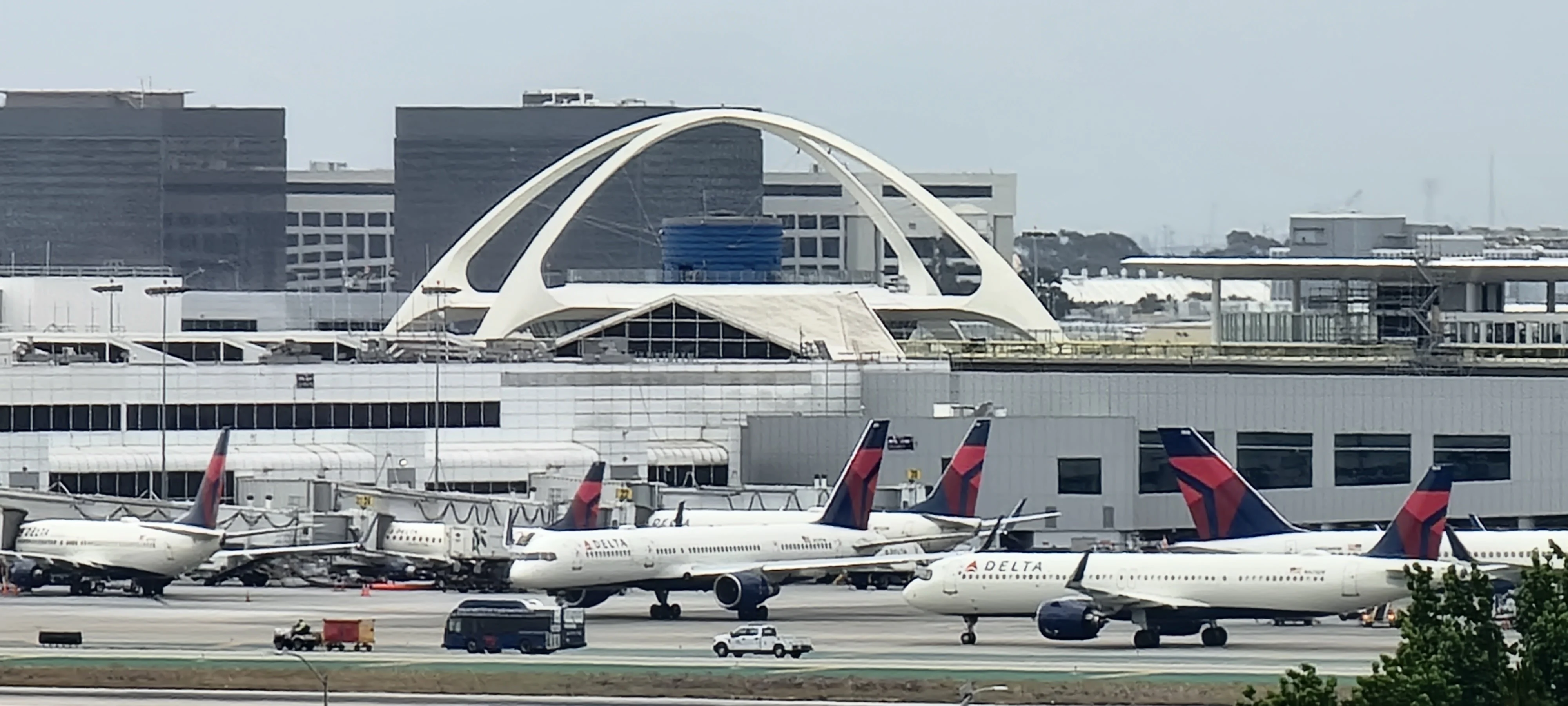
The Association of Flight Attendants-CWA has an intrinsic interest in the outcome of this campaign. With around 29,000 flight attendants in its purview and an estimated $17.4 million in annual dues, this represents significant potential growth for the union. Yet, this campaign has been ongoing for nearly seven years.
Launched on November 1, 2019, the campaign has faced delays. In November 2024, organizer Sara Nelson expressed optimism about imminent success, which was echoed in statements about being weeks away from gathering sufficient authorization for an election. However, fulfilling that promise has stalled.
On August 19, 2026, the union again touted being “closer than ever” while soliciting employee help for filing, but the reality remains that signed authorization cards only remain valid for one year. To initiate an election, they require support from at least half of the eligible workforce.
As authorization cards expire, organizers must approach employees to re-sign, a burden that complicates their strategy. As the enthusiasm from late-2024 wanes, many employees' signatures will not hold up unless they are renewed.
In light of Delta’s ongoing enhancements, the union’s proposition is more challenging than before. Delta’s August update highlighted advancements in sit pay, holiday pay, and additional pay credits, attributing some of these improvements to organizing pressures.
This viewpoint might have validity—employees from other airlines may benefit from union negotiations and, certainly, Delta staff could feel the pressure without needing to align collectively with a union themselves.
Delta asserts its responsibility to provide employees with factual information. If management perceives the union as misrepresenting potential gains, its obligation is to clarify those misconceptions. While Warren seeks to silence one narrative, employees deserve a holistic view encompassing both perspectives.

Discussion
Sign in to join the discussion.