A savvy traveler bypassed $700 in fees when transferring United Airlines miles by cleverly utilizing mileage pooling tactics.
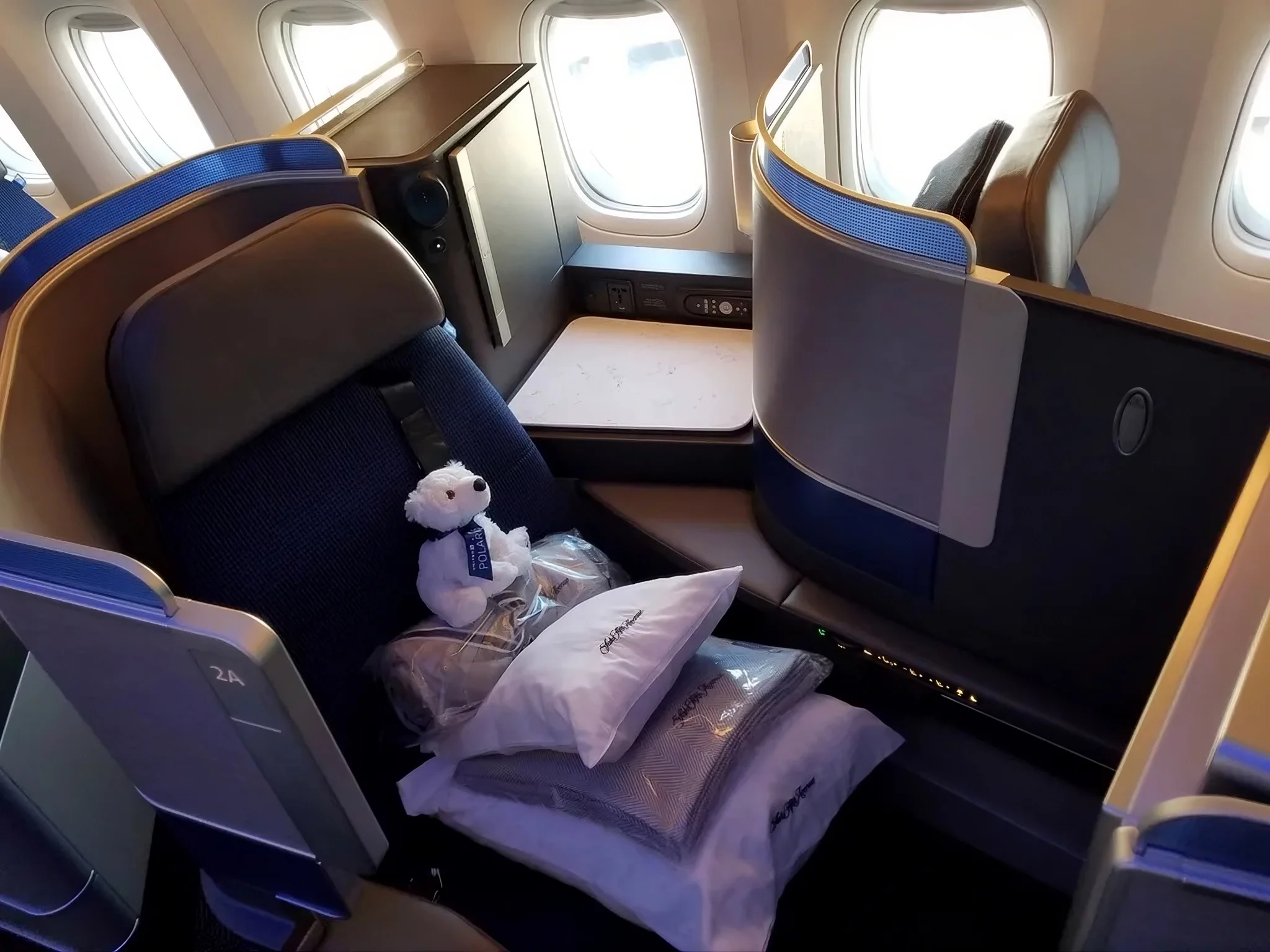
A United Airlines traveler recently avoided incurring over $700 in transfer fees by opting for an astute method involving mileage pooling. To secure a needed 45,000 miles for an upgrade, the traveler first created a mileage pool, invited their sister to contribute, and then dissolved the pool after she left, which resulted in the miles being transferred to their personal account. This case raises an intriguing question: how effective can such unconventional strategies really be in navigating loyalty programs?
This situation garnered attention on social media, with numerous follow-up confirmations from other users attempting the same methods in 2024 and beyond. Successful reports emerged from discussions on platforms like Reddit, where individuals shared similar experiences of dissolving pools to achieve desirable outcomes. The irony here? Many users are now using social media not just to discuss travel plans, but to strategize on how to maximize their airline miles efficiently.
The Evolution of Mileage Pooling
In March 2024, United introduced mileage pooling, allowing up to five individuals to combine their miles. While many airlines have loyalty programs that reward frequent flyers, United's approach is unique because it enables travelers to collaborate in reaching mileage goals, opening doors for family and friends to share their earnings. The pooling strategy can be advantageous when individual balances fall short for necessary bookings, such as upgrades or award tickets. However, the introduction of this feature has been met with mixed responses, primarily due to its guidelines and restrictions.
Mechanics of Mileage Pooling
Understanding how this mileage pooling process works can provide insight into why it’s gained popularity among savvy travelers. When a pool is dissolved, the remaining miles are distributed among the members still in the pool, including the pool leader. If other members have exited beforehand, the final member is eligible to reclaim all remaining miles, a clever strategy for couples or family members looking to maximize their rewards without incurring costly transfer fees. The pooling process includes several steps:
- The leader initiates a pool via United’s mileage pooling page.
- Invite another member to join, who must wait 72 hours before contributing their miles.
- After contributing, there is a 24-hour pending period before the member can leave the pool.
- The leader then dissolves the pool once they are the only remaining member.
Strategic Considerations for Mileage Pooling
While this system offers a workaround to avoid hefty transfer fees, it does require precision timing. If a partner creates a pool and contributes 100,000 miles, then exits, the leader can dissolve the pool, claiming all those miles for themselves. This intricate maneuver may sound advantageous, but it requires careful timing—about four days—to navigate the waiting periods associated with the transfer correctly.
Complicating matters, United has made recent enhancements to their mileage pooling feature; in June, they integrated partner awards to broaden the usability of pooled miles. Such adjustments reflect an airline’s acknowledgement of the growing demand for flexible rewards systems. Travelers are often looking for ways to stretch their miles, and having the option to use pooled miles for upgrades or ticket purchases can make a significant difference in their travel experience. That said, upgrades using pooled miles come with their own set of challenges. The post-dissolution period of 90 days before participants can join a new pool could dissuade users from regularly employing this strategy.
This isn't just an advantage for individuals; it has broad implications for families and friends who travel together. Those who can coordinate effectively might find themselves in an enviable position. But—and this is the part most people overlook—success hinges on each member's mile balance and their willingness to participate actively. If you're working in this space, understanding this dynamic becomes essential for unlocking value from loyalty programs.
Implications and Future Outlook
The maneuverability provided by mileage pooling certainly presents a compelling narrative for potential United customers, but a skeptical view remains. The airline industry often shifts policies to combat changes in consumer behavior, especially in response to loopholes that create profit risks. Given that multiple reports of users evading standard fees via this pooling strategy have emerged, it’s plausible that United might reinforce its policies. This could mean stricter guidelines or even a re-evaluation of the pooling concept altogether to prevent abuse.
Looking ahead, whether or not this mileage pooling method remains viable could largely depend on how airlines like United decide to adapt. If successful punitive measures are enacted against what could be seen as an exploitative use of their system, the very utility of mileage pooling could diminish significantly. Thus, travelers may soon find themselves needing to explore alternative strategies to enjoy their rewards, staying alert to the evolving terms set by airlines. Will they reap the benefits of collective mileage, or see the door close on these creative solutions? Time will tell.

Discussion
Sign in to join the discussion.