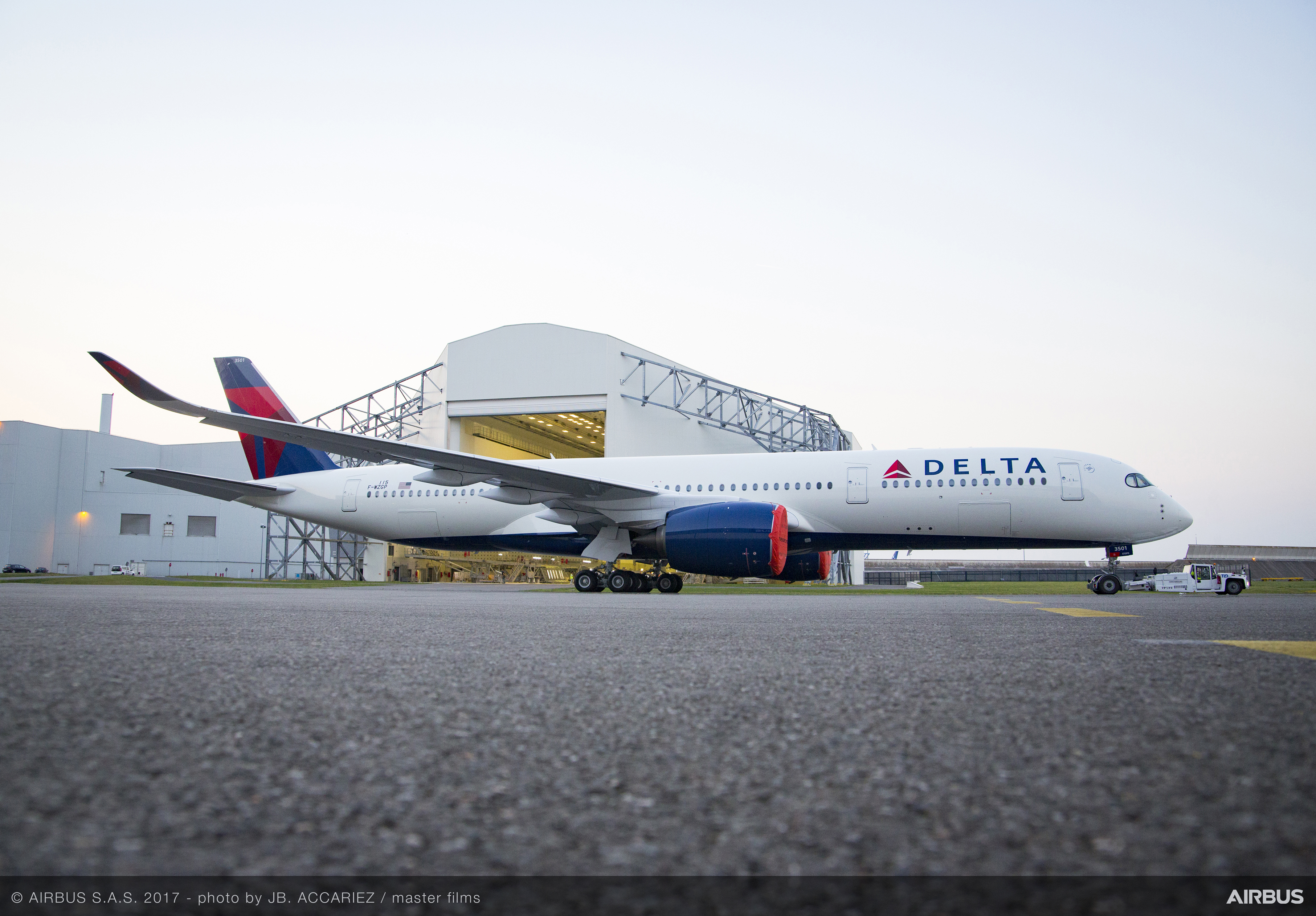
Delta’s growth across the Pacific is performing worse than United – and even American. Aviation watchdog JonNYC flagged the latest numbers, and One Mile at a Time did a deep dive into the comparison highlighting the struggle. Ben’s key takeaway is that Delta’s Pacific performance is so bad, they’re “making even American look good.”
Over two years, Delta has added about 16% more Pacific capacity while passenger revenue per seat mile has barely moved. But I went back to Delta’s quarterly filing, and there’s another $203 million of Pacific revenue outside those passenger numbers. What Jon and Ben flag is true but the economics of this Pacific flying may not be quite as bad as their passenger numbers appear.
Delta’s Pacific Passenger Performance Is Not Good
| Pacific performance | Delta | United | American | |||
|---|---|---|---|---|---|---|
| Q3 2026 passenger revenue per seat mile growth | 5% | 10.9% | 11.3% | |||
| Q3 2026 capacity growth | 8% | 5.0% | 6.6% | |||
| Passenger revenue per seat mile change, Q3 2024–2026 | 1% | 6.6% | 4.5% |
Delta’s Pacific passenger revenue actually grew 13%, faster than the 8% increase in capacity. The concern is that revenue per available seat mile grew only 5%, while the share of seats filled fell two percentage points.
United and American’s Pacific passenger unit revenue growth also slowed from the second quarter. Delta remained last (!) but its shortfall against American and United narrowed (in the latter case, just from seven percentage points to six).
The two-year comparison looks worse. Delta’s prior-year filing shows Pacific passenger revenue per seat mile fell 4% in the third quarter of 2025. This year’s 5% increase really just recovers the previous year’s decline. United and American also had weak comparisons, but their two-year improvements are better. Delta has added much more flying without getting meaningfully more passenger revenue from each seat mile than two years ago.
Delta’s Pacific Business Isn’t Just Its Own Passenger Revenue
We can look at both passenger revenue and total operating revenue for the Pacific:
| Delta Pacific revenue | Q3 2025 | Q3 2026 | Growth | |||
|---|---|---|---|---|---|---|
| Passenger revenue | $667 million | $756 million | 13.3% | |||
| Other regional operating revenue, calculated | $140 million | $203 million | 45.0% | |||
| Total regional operating revenue | $807 million | $959 million | 18.8% |
With capacity up about 8%, total Pacific operating revenue per seat mile rose approximately 10%. Over two years, it’s up 9%, compared with nearly flat passenger revenue per seat mile.
Delta doesn’t disclose the Pacific breakdown between cargo and its other revenue categories, which include settlements from its international joint ventures, so we don’t know how much of the $203 million is coming from cargo vs. Korean Air. But there’s more money here we need to look at to understand Delta’s Pacific business.

United’s San Francisco hub has a much deeper Pacific network. Delta has to compete for Los Angeles and Seattle customers rather than owning those home markets. And Delta’s product across the Pacific faces better experiences offered by Asian competitors. They’re not a strong Pacific performer.
More destinations can help Delta win a corporate account or retain a customer who otherwise moves their flying and credit card spending to United. That’s part of the case for building a better Los Angeles network. They need to find a way to build this business successfully, just as American is talking about needing to do the same.

There are several other interesting observations coming out of Delta’s earnings.
- When they talk about having “61% premium and diversified revenue” that looks like a pretty much made up number. It simply subtracts coach ticket revenue from adjusted revenue. That means it includes award travel, cargo and maintenance. That’s not ‘61% premium’.
- Cash from American Express increased 15% to $2.3 billion for the quarter. At a previously-disclosed 39% margin Amex accounts for more than the entire quarter’s $756 million in net profit.
- The maintenance business is touted for $296 million in revenue, but net on the third party maintenance business was just $29 million this quarter (versus $19 million a year ago). Generating profit from maintenance is good for the airline, but that’s also just attributed revenue and expense and not profit after allocating overhead.
- Delta’s Wheels Up investment continues to be a disaster. Delta wrote down the value of that charter business from $118 million in June to $42 million in September, and revolving loans increased from $36 million to $83 million.

Discussion
Sign in to join the discussion.