Understanding the process of lost luggage can ease travel stress and ensure you're compensated fairly for delays and mishaps.
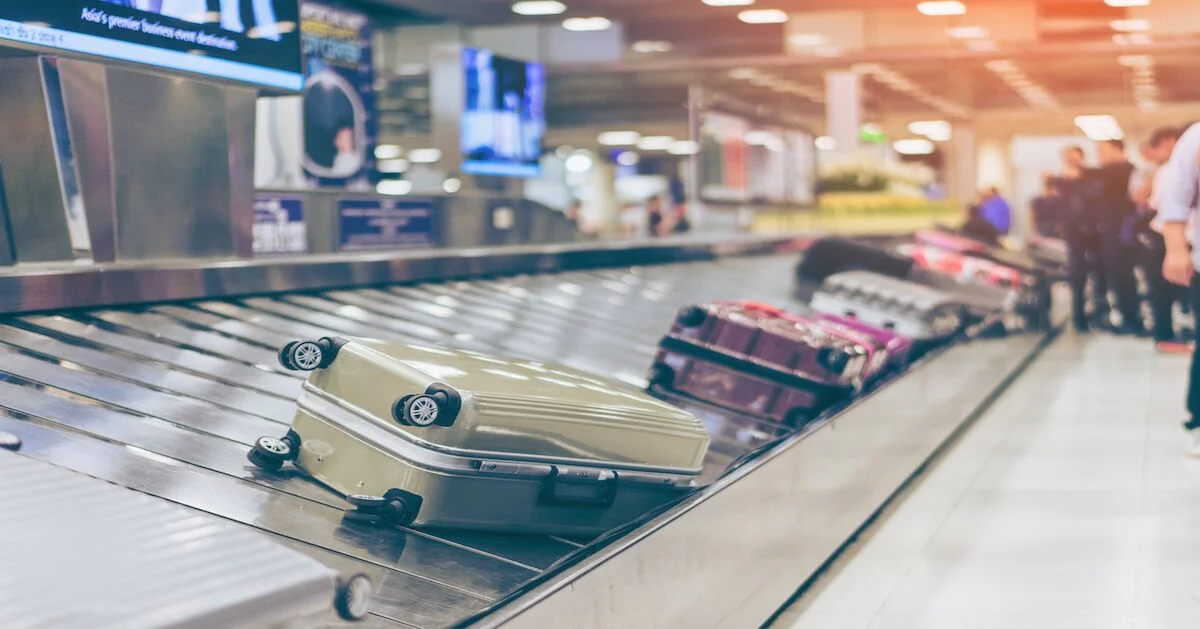
Traveling often invites a host of stresses, but one of the most anxiety-inducing aspects can occur after your flight has landed. Imagine standing at the baggage carousel, watching as fellow passengers collect their luggage, while your bag remains absent. This scenario, though stressful, is more common than you might think, and knowing the right steps to take can alleviate some of that tension.
Why do bags get lost?
Let's unpack the reality behind lost baggage. While the fear of losing luggage looms large, the actual incidence of this happening is quite low. According to Scott Mayerowitz, the founder of GlobeTrotScott Strategies, only a small fraction – less than one percent – of travelers in the U.S. experience issues with delayed or lost bags. The bulk of these incidents often arises from flight delays, particularly in busy hubs during adverse weather conditions.
Ross Feinstein, a consultant and former aviation communications head, confirms that most baggage mishandling occurs during irregular operations, like cancellations or severe weather. Bags may not be truly lost; they are often delayed en route to their final destinations but can typically be tracked through sophisticated airline systems.
Feinstein emphasizes that it’s rare for bags to be permanently lost, as tracking systems are precise, and most bags will reunite with their owners within a reasonable timeframe.
What to do if your bag doesn't appear?
If the worst happens and your luggage doesn’t show up, here’s how to minimize the frustration. Start by checking your phone—many airlines offer apps that can notify you of your bag’s status soon after landing. Some apps even allow you to file a claim directly from your device. If you don’t have an app, head to the baggage service office near the carousel.
Airlines like Delta Air Lines employ RFID tags for real-time tracking, enabling passengers to monitor their bags via mobile apps. Likewise, American and United Airlines utilize scanning systems throughout the baggage journey, giving travelers visibility into their luggage’s location.
For those who prefer a hands-on approach, consider using a personal tracking device like an Apple AirTag, which allows you to monitor your bag's location independently. These advancements have transformed the traditional approach to baggage recovery, simplifying the process for travelers.
Understanding airline compensation
When luggage is mishandled, passengers are often left wondering how, or if, they’ll be compensated. There’s no standardized rule across airlines regarding reimbursement, but the U.S. Department of Transportation does impose a maximum liability of $3,800 for domestic flights and lower for international travel. Nevertheless, policies vary widely between airlines.
Mayerowitz advises passengers to keep receipts for any essential items purchased while waiting for their bags; most airlines will reimburse reasonable expenses incurred during a delay. However, definitions of “reasonable” differ. Delta, for instance, allows $50 per day for necessary expenses, while United allows for claims based on where the bag was delayed.
It’s important to be cautious about excessive spending. Airlines typically won’t cover extravagant purchases, so prioritize necessities. Should your bag remain lost for an extended period, usually classified as being missing for five to 21 days, you may be eligible for a more substantial claim covering the bag's contents. Keep an itemized list of what was in your bag to streamline this process.
How long until your bag is returned?
Timeframes for the return of lost baggage can vary depending on specific circumstances. Travelers may wait a matter of hours to receive their bag, especially in domestic scenarios. However, in busier travel times or adverse weather conditions, recovery can take longer, sometimes up to several days.
Mayerowitz notes that travel to remote destinations can entail lengthier waits, often until the next available flight. Urgency is crucial when waiting for lost luggage, but most delayed bags return within a day or two.
Your rights and protections
The landscape of airline passenger rights is evolving, particularly with the introduction of the Department of Transportation's 2024 refund rule. This mandates that airlines automatically refund checked baggage fees if bags do not arrive within defined periods—12 hours for domestic flights and 15-30 for international, depending on duration. This refund should occur without any action from the passenger and will be credited back to the original payment method within seven business days.
While most cases of lost bags turn out to be mere delays, when a bag is officially classified as lost, that can trigger larger compensation rules, covering the contents up to liability limits set by international agreements.
For travelers, proactive measures can mitigate the risk of lost luggage. While avoiding checked bags altogether is the safest option, those who do check luggage should bring enough essentials in their carry-on for at least a few days. This way, even in the rare instance of baggage delay, they won't be stranded without the basics.

Discussion
Sign in to join the discussion.