Ko Lipe's charm has succumbed to overdevelopment, urging travelers to consider alternative destinations that prioritize sustainability.
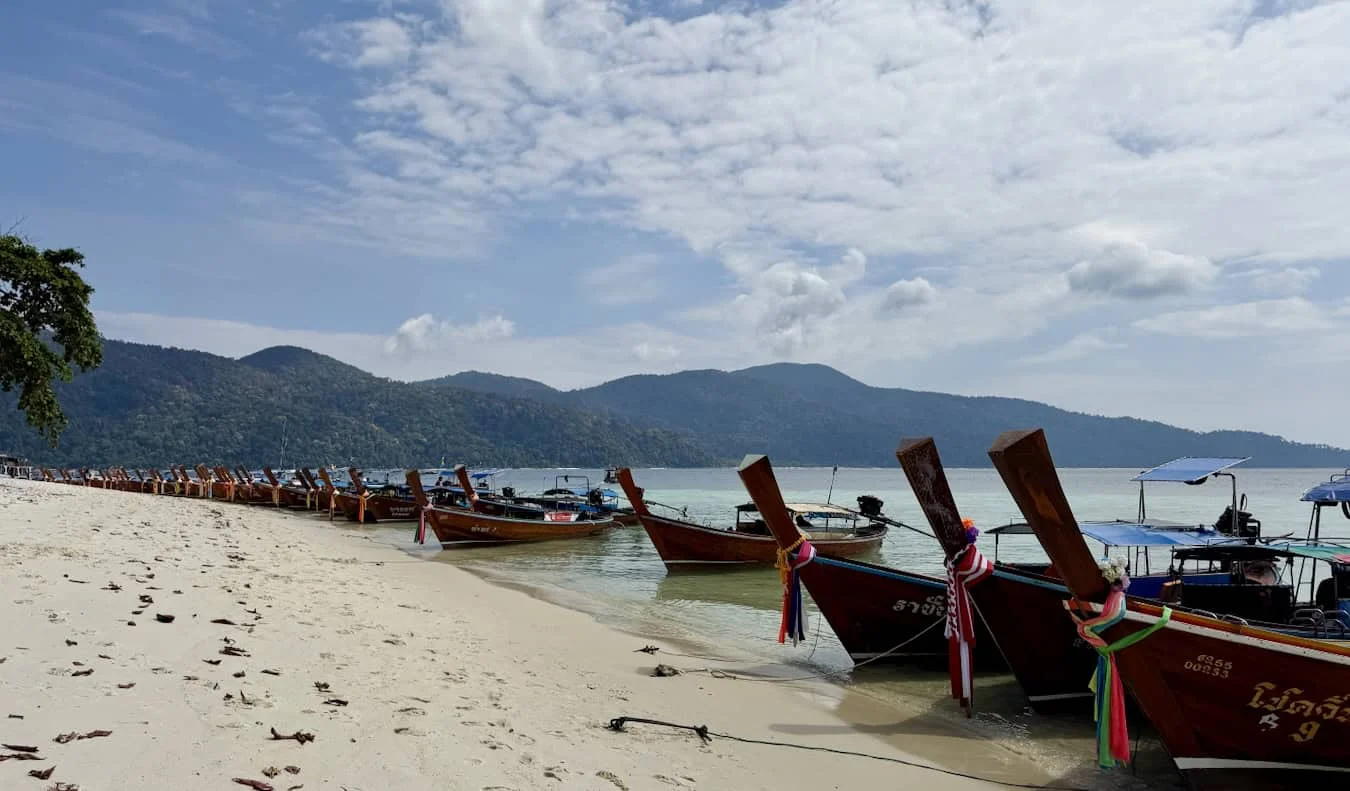
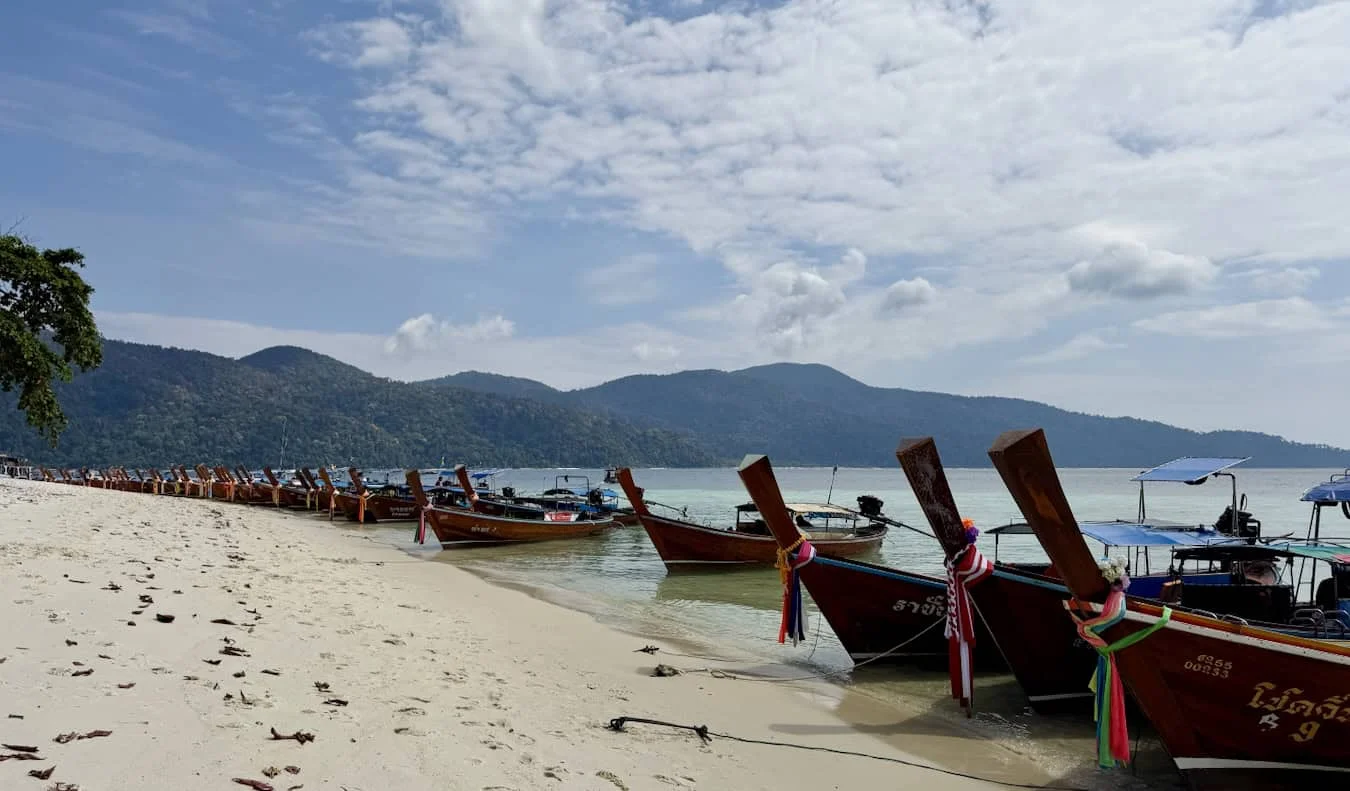
After nearly two decades, I returned to Ko Lipe, a Thai island that once captivated me during my backpacking adventures in 2006. Back then, it offered unspoiled tranquility, where accommodations were merely $2 USD, and nightlife revolved around the few beach bars. The idyllic setting encouraged slow living, making it easy to lose track of time and indulge in simple pleasures: snorkeling, lounging under the sun, and engaging with a friendly community. With vibrant sunsets and the sound of waves as my background score, Ko Lipe was, for many, paradise found.
Reflecting on my past visit evokes nostalgia; the bonds formed, the laid-back lifestyle, and the charming atmosphere of that cozy island made it a personal highlight. My reluctance to revisit was rooted in the fear of tarnishing those cherished memories and witnessing the inevitable commercialization that typically follows such treasures. Few can argue that a return to a beloved destination often brings the risk of disappointment, as progress in tourism frequently leads to irreversible change.
Overdevelopment and Diminishing Charm
With tourism trends in Thailand leaning towards unsustainable practices, I braced for the worst when I finally decided to return. Positioned on my route through Southeast Asia and seeking a lively spot for New Year's Eve, it seemed practical to stop by again. However, upon arrival, it was disheartening to see that Ko Lipe had adopted the same tourism model as Ko Phi Phi, leading to significant overdevelopment that felt almost like a betrayal of its earlier charm.
The transformation was stark. Concrete pathways replaced the once rustic footpaths, and previously lush areas bore the scars of new high-end resorts without the necessary infrastructure to support them. You could almost feel the pulse of the island change; its natural beauty—once characterized by vibrant coral reefs and pristine beaches—showed signs of heavy pollution, with dying marine life linked to the tourism's toll. Forgotten are the moments of serene nature; now there’s a cacophony of engine noise and litter at every turn. Exhaust from countless boats polluted the waters, obscuring the beauty of the aquatic paradise I once knew. This shift not only damages the ecosystem but also creates a disconnection between visitors and the environment.
Restaurants now catered predominantly to tourists' cravings for familiar Western fare, often at the expense of local culinary excellence. Rather than promoting authentic Thai dining, venues prioritize a universal menu, which leeches local culture and undermines the unique character that makes such destinations enchanting. More troubling was the social impact of this boom, as many long-term residents were displaced by developers in a rush to profit from tourism. These actions not only strip the island of its authenticity but leave a profound question mark over the legacy of the community. The workforce largely composed of outsiders can create resentment and displacement, further diluting the island’s cultural fabric. What once seemed to be a lively, engaged community now feels more like a tourist commodity.
A Mixed Reaction Among Visitors
Yet, despite the drastic changes, I encountered numerous travelers enamored with Ko Lipe's picturesque landscapes. To a newcomer, the stunning azure waters and white sandy beaches remain visually arresting, and the proximity to a national park allows for some untouched adventures just offshore. This juxtaposition presents a dilemma: a place where natural splendor coexists with detrimental development, offering a surprising allure that can deceive even seasoned travelers. It seems the island's undeniable beauty still captures hearts, often glossing over the darker aspects of its transformation.
Comparatively speaking, when placing Ko Lipe against other heavily trafficked destinations like Ko Phi Phi, it may still feel like a less chaotic alternative, which explains its ability to charm first-time visitors. But here's the thing: allure doesn't equate to sustainability. However appealing the Instagram opportunities may be, the continued plight of the island highlights a critical dilemma. The natural beauty is being undermined by unchecked growth, and the impact of over-tourism on the limited resources can hardly be overstated. For those who prioritize responsible travel, it's hard to argue that visiting contributes positively to the island's future.
A Call for Conscious Travel Choices
There’s a distinction between beneficial growth and harmful overdevelopment, and the latter is evident in Ko Lipe. For travelers who are conscious about their ecological footprint, choosing to visit places that respect natural and cultural integrity is paramount. The simple act of selecting an alternative destination, such as Ko Lanta, Ko Jum, or Ko Mook, not only offers richer experiences but also helps avoid contributing to resource strain. Forging a connection with well-managed destinations ensures that the beauty of Thailand—and all its unique islands—is preserved for future generations.
It’s painful for me to feel this way, especially given the profound impact my initial visit had on me. Yet, if there’s any hope for change, it lies within traveler choices. The power to influence how destinations manage tourism rests largely with us. Just as ethical consumerism has reshaped activities like riding elephants or investing in eco-lodges, rejecting overdeveloped locales like Ko Lipe could signal a growing awareness and demand for sustainability in the travel sector. Even the smallest decision to choose a less commercialized spot can help shift perspectives at a broader level.
Ultimately, choosing not to visit Ko Lipe becomes an act of advocacy for responsible tourism. Our decisions on where to travel can impact not just our experiences but the environment and the communities we choose to explore. While change may be slow, it’s crucial that we recognize our role. Let's prioritize destinations that are actively protecting their natural resources and cultural heritage, ensuring that our travel has a net positive effect. If you're working in this space, this point is more significant than it looks; tourism has the potential to uplift or damage. The choice is ours.
Implications for Future Travel
The situation in Ko Lipe embodies a broader problem faced by many tourist destinations around the globe. As travel becomes more accessible, the saturation of popular locales challenges their sustainability. Not only does it threaten natural environments, but it also diminishes the authentic experiences that first drew many to these places. Responsible travel isn't just a buzzword; it’s a necessity.
The implications of traveler behavior extend beyond individual choices; they echo through local economies and ecosystems. If visitors begin to favor places committed to sustainability, those trends will ripple outwards. The tourism sector must adapt or face consequences, from community pushback to dwindling natural resources.
In the end, it's about striking a balance. The complexities of responsible tourism are layered, and understanding them can lead to more meaningful interactions with destinations. Being a conscientious traveler means recognizing that we can help or hinder. We must choose wisely.

Discussion
Sign in to join the discussion.