American Airlines is considering re-establishing nonstop flights from Los Angeles to Singapore as it seeks to revitalize its Pacific operations.
American Airlines’ Potential New Route
American Airlines is signaling a possible return to the Los Angeles to Singapore route following remarks from Chief Commercial Officer Nat Pieper. The addition of new Boeing 787-9P aircraft sets the stage for the airline to enhance its presence in the Pacific market. This move reflects a broader strategy to reinvent its trans-Pacific flight offerings, showing a willingness to reassess and realign its service model to meet demand in vital international markets.
Market Dynamics and Challenges
According to aviation analyst JonNYC, rumors of American Airlines resuming flights from LAX to Singapore have gained traction. This comes after a period where the airline dismantled routes to Asia from Los Angeles, mainly due to heavy competition and profitability challenges. The market for air travel between the US and Asia has always been contentious, influenced by factors such as emerging local airlines, strategic alliances, and economic shifts. Former Senior Vice President of Network Planning, Brian Znotins, explained that an abundance of Asian carriers at LAX led to underperformance during their previous operations. American’s competitive strategy must now confront these similar market dynamics that previously contributed to its operational setbacks.
“LA has been a challenge to us to Asia for a number of years... every Asian carrier feels like they need to serve LA. Even though we were serving Hong Kong and Beijing and Shanghai before the pandemic, those routes underperformed for us,” said Znotins.
Airlines, especially American, must recognize that the environment has shifted. Competition is not only from established carriers but also from new entrants who are strategically vying for a foothold in the lucrative trans-Pacific market. Investors and analysts will be watching closely to see if American has recalibrated its approach based on these dynamics.
Reconsidering Los Angeles as a Gateway
American's strategic shift began with its focus on joint venture hubs outside of Los Angeles. The airline initially aimed to manage its Asia services through Seattle as an alternative gateway; however, this strategy faced challenges especially after the potential partnership with Singapore Airlines fell through. Currently, the absence of direct partnerships for connecting passengers beyond Singapore may limit the route's attractiveness. Partnerships can amplify customer convenience, serving as a critical factor in route viability.
As American contemplates re-entering the market, it'll need to evaluate past mistakes alongside this newfound opportunity. Will they forge new alliances or adjust their network strategy to gain more traction? This could make or break their attempt to reclaim a significant market position.
Competitors and Market Positioning
Singapore stands out as a prestigious destination, especially when layered against Manila, where American has an incoming oneworld partner. However, the fierce competitive pressure from Delta, which is carving out plans for its service to Singapore, presents a troublesome scenario for American Airlines if they pursue this route again. The necessity to differentiate their offering could be pivotal. They must blend service quality, schedules, and price competitiveness to gain market share.
American can’t underestimate the significance of establishing a unique selling proposition. Its rivals have demonstrated a willingness to adapt and innovate in response to market demands. An airline's success often resides not just in the routes it operates but in the experiences it creates for its passengers.
Strategic Considerations and Future Potential
American’s earlier retreat from LAX’s Asia market could have stemmed from an overestimation of its losses. It now seems eager to revisit opportunities. With the prospect of reintroducing long-haul flights, potential destinations now include Manila, Kuala Lumpur, Taipei, Bangkok, and Seoul alongside Singapore. Each of those markets holds its own set of challenges; for instance, the air traffic dynamics in Seoul could create hurdles, particularly given Delta's existing foothold through Korean Air. Understanding these complexities will be key in planning.
There's a palpable rhythm to this dance of competition. Airlines often have to outmaneuver their rivals while playing a game of resource allocation. If you're working in this space, it’s clear that every decision could affect profitability significantly.
Personal Insight on Singapore
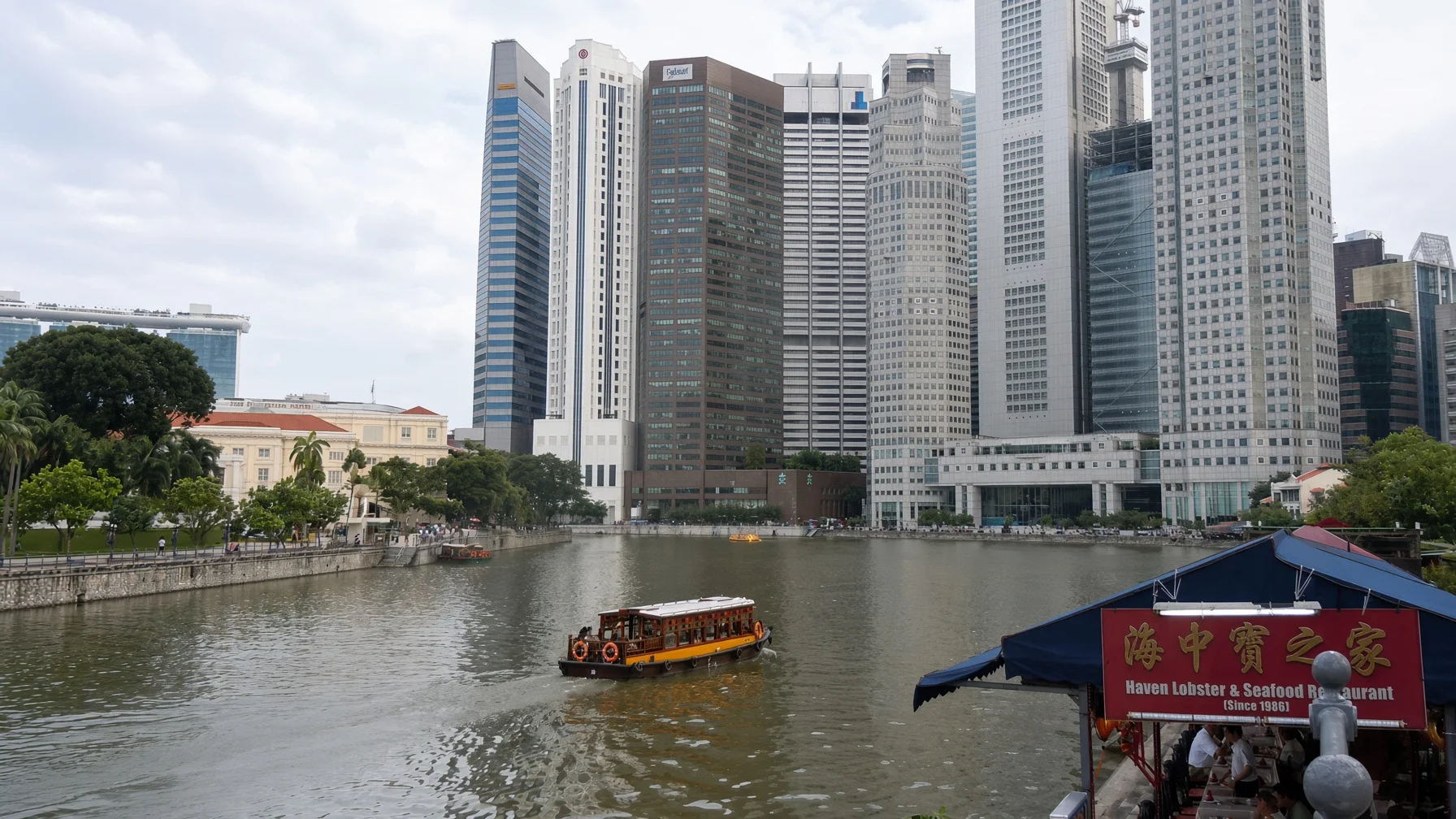
Having visited Singapore numerous times, I find the city-state endlessly fascinating, despite locals often expressing grievances about daily life there. It’s a remarkable hub, strategically significant for travel throughout Asia. This notion often gets lost amidst the competitive noise, but Singapore's infrastructure and connectivity with the broader region are unparalleled.
“We get fined for almost everything; Drivers won’t ‘give chance’ when you want to ‘change lane’; The indoors are cold, the outdoors are hot; And the humid air, it wrecks my hair.”
These quirks and complaints almost make the city feel more relatable, a reminder that even in a well-organized society, frustrations linger just beneath the surface.
Implications for American Airlines
The potential launch of nonstop flights to Singapore could mark a significant chapter in American Airlines' strategy. In a market where competition is growing fiercer and consumer expectations are higher than ever, how the airline navigates these challenges remains to be seen. If they get this right, it could represent more than just a route being reinstated; it might symbolize a strategic pivot back toward recognizing the Asian market's importance.
Ultimately, the implications go beyond dollars and cents. Successful re-entry into this space can reshape American’s market perception and establish them as a serious player once again. Yet, the risks are equally apparent. The airline is stepping back into a complicated arena, and the outcomes hinge not only on their operational choices but also on competitor behaviors—a constantly shifting puzzle where all pieces must fit just right.

Discussion
Sign in to join the discussion.