An American Airlines pilot at Atlanta insisted on a delay for takeoff due to safety concerns, sparking a heated exchange with an air traffic controller.
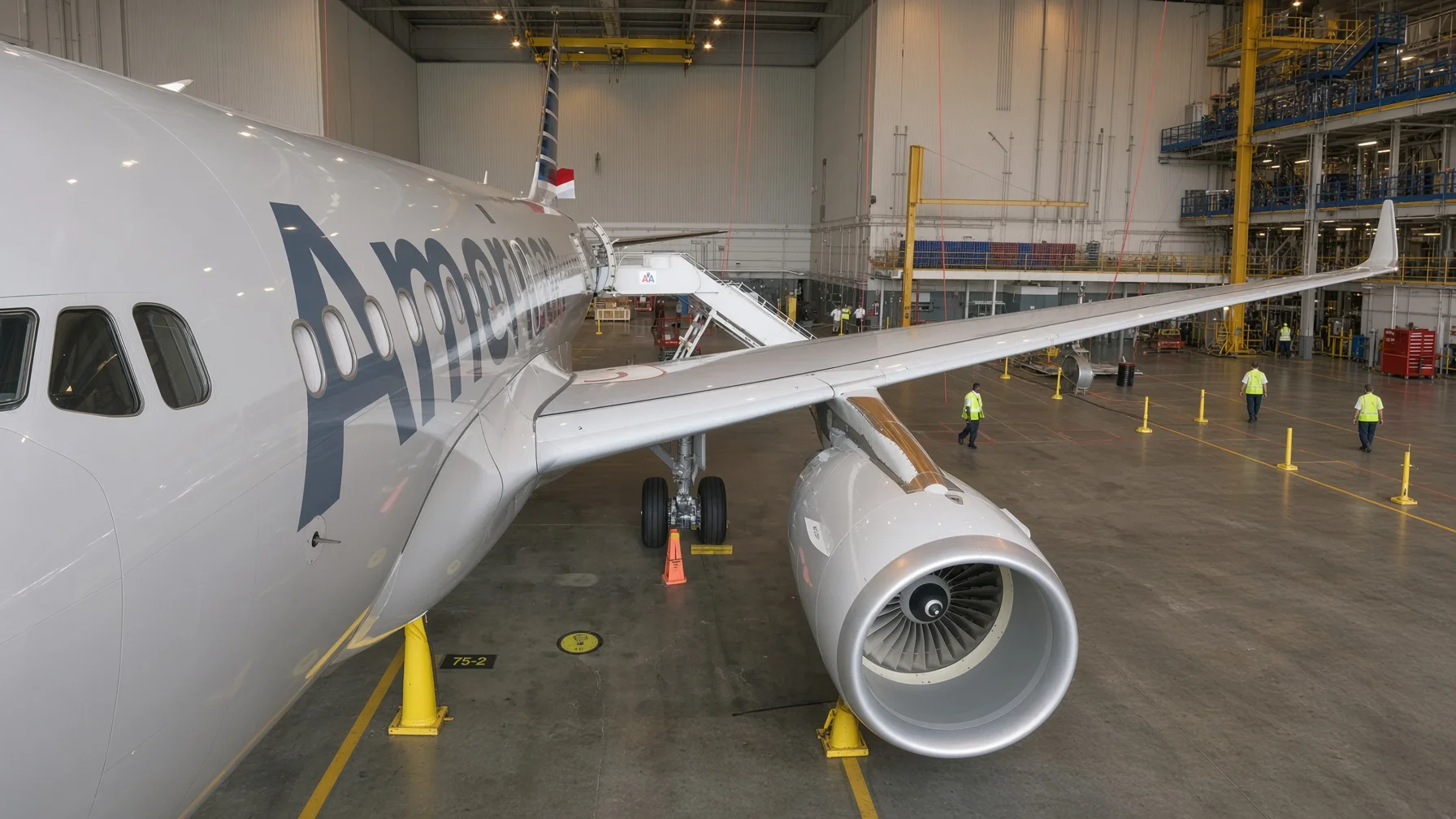
During a recent incident at Atlanta's Hartsfield-Jackson Airport, an American Airlines pilot expressed hesitation about taking off behind a Boeing 757, raising significant questions about safety protocol and air traffic communication. The exchange, which unfolded on September 13, involved American Airlines flight 1428, headed for Philadelphia. This incident serves as a reminder of the high-stakes environment in which aviation professionals operate, where the balance between maintaining schedules and ensuring safety can lead to heated discussions.
Controversial Call for Separation
As the aircraft lined up on runway 27 Right, the crew sought additional time to ensure safe separation from the departing 757, citing concerns over wake turbulence. The situation unfolded rapidly as the pilot assessed the imminent risks.
American: "Yeah, we need a little bit more time for that separation."
Tower: "American 1428, cancel your takeoff clearance. Exit at Mike 20."
The controller’s insistence on cancelling the takeoff clearance introduced an element of confusion. The pilot later acknowledged the cancellation only after some back and forth. This moment revealed a troubling aspect of communication in aviation—when there's a lack of clarity, the risk of misunderstanding escalates. While the controller reiterated the need for prompt communication regarding separation requests, it became evident that the captain was exercising reasonable discretion in prioritizing safety. The dialogue highlights how air traffic procedures can sometimes clash with real-time assessments made by flight crews.
A Clash of Perspectives
As the situation escalated, the controller informed the pilot of a "possible pilot deviation," hinting at an operational infraction. This pronouncement followed the pilot’s assertion about separation concerns and a pointed instruction to the controller:
American: "Okay, let us fly the airplane. You guys can, uh, do your job."
Tower: "American 1428, possible pilot deviation. Advise ready to copy phone number."
This exchange underscores a critical divide in air traffic management. On one side, you have the controller, tasked with maintaining order and efficiency, and on the other, a pilot prioritizing safety. The issuance of a potential violation complaint suggests an emotional reaction from the controller rather than a purely procedural one. Such dynamics are essential to understanding how air traffic control operates, particularly under stress. When safety is in question, should perception or protocol reign supreme? That's a question many in the industry grapple with.
Understanding Wake Turbulence
Wake turbulence represents a significant safety concern, especially during takeoff. It's created by the aerodynamic forces of an aircraft, which can destabilize following planes. With the Boeing 757 classified within a particular wake turbulence category and the Airbus A319 not considered a "small aircraft," the pilot’s caution seems duly warranted. Standard practices in aviation typically dictate that once an aircraft is airborne, safe separation is established if the trailing plane maintains an altitude of at least 6,000 feet. However, safety concerns should understandably take precedence over procedural compliance. The right to refuse clearance under these circumstances is a critical aspect of pilot authority, emphasizing the need for prioritization of safety over adherence to the clock.
The Importance of Communication
Despite the controller's assertion that no specific wake turbulence separation was mandated, the crux of the issue lies in the pilot's judgment regarding safety. Aviation protocols indeed encourage pilots to inform controllers prior to runway entry about their need for separation, yet this should not override pilots' discretion to decline takeoff clearance if they feel unsafe. After all, air traffic management is a collaborative process that requires efficient communication to prevent incidents.
Reactions and Implications
The exchange drew commentary from other pilots, including those operating Frontier Airlines, who acknowledged the controller’s overall performance yet seemed to recognize that the situation had devolved into something not typical of standard operational interaction:
Frontier: "You guys do great work today."
Tower: "I appreciate it. I’ve been doing it for 26 years. I don’t need some pilot telling me how to do my job. You guys rock."
This incident brings to light the intricacies of air traffic management and the pressures that come into play during high-stress scenarios. You'll find that while most controllers are seasoned professionals, the emotional intensity of the job can sometimes cloud judgment. Pilots and controllers need to remember that they're on the same team; the safety of passengers is the ultimate shared goal. This ongoing dialogue over safety protocols, pilot rights, and controller authority remains vital for ensuring both safety and efficiency in air travel.
Looking Ahead: Communication and Safety in Aviation
As further analysis of this event unfolds, industry stakeholders must reflect on communication tactics and procedural adherence. This is particularly relevant given that miscommunication can lead to dire consequences. The aviation community is aware that safety cannot be compromised for the sake of schedule adherence. If you're working in this space, consider how both pilots and controllers can improve the culture surrounding safety discussions. After all, fostering an environment where concerns can be raised without fear of backlash is critical for future safety. It's essential to advocate for systems that prioritize dialogue over division. What this means for you, as an industry participant, is engagement. The operational protocols that govern air traffic management need regular reassessment. The success of aviation hinges not only on technology but also on the human factors inherent in air traffic operations. In a field where milliseconds can make the difference between safety and catastrophe, the lessons from this incident can't be overlooked. (and this is the part most people overlook)

Discussion
Sign in to join the discussion.