The Airbus A350F has revealed a distinctive cardboard box-themed livery, highlighting its cargo capabilities as it prepares for its inaugural flight.
The Airbus A350F is gearing up for its first flight scheduled for October, and it has just unveiled a captivating new livery designed specifically for this cargo aircraft. This prototype, designated MSN 700, made its debut earlier this month, marking a significant milestone in the aircraft's development and the increasing push for innovation in cargo transportation.
In October 2022, Airbus initiated a contest encouraging over 4,000 participants to submit designs for the aircraft's livery. This contest culminated in the announcement of the winners during the recent Paris Air Show in 2023. Such initiatives aren't just about aesthetics; they engage the public and foster a sense of community involvement in the aerospace sector, which often seems distant and exclusive.
A Unique Design Concept
The selected theme for the inaugural liveries centers around a cardboard box, cleverly reflecting the purpose of a cargo freighter. The aircraft showcases a brown color scheme reminiscent of typical shipping boxes, complemented by logistics-related graphics such as logos, adhesive tape, and stickers that add visual interest. This visual message strongly aligns with the realities of cargo transport, resonating with customers and the industry as a whole.
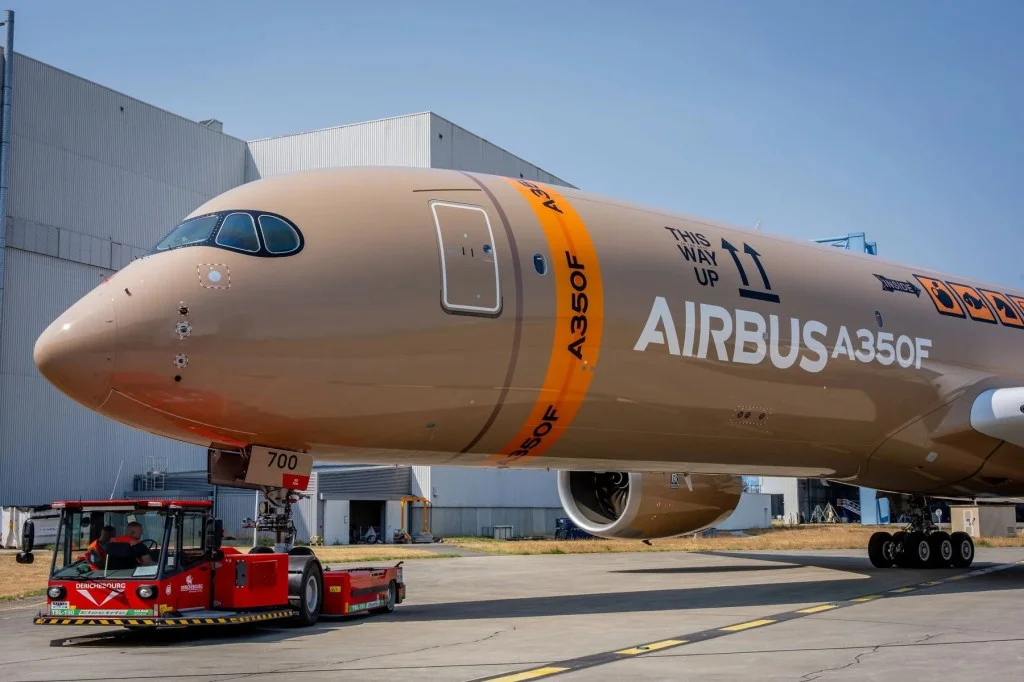
According to Cassian Koshorst, Airbus Corporate Design Manager, the chosen designs harmoniously balance different elements, ensuring that both liveries complement each other. "We were able to place graphics from both designs—including adhesive tape, stickers, and stamps—exactly where we wanted on the aircraft, even adding extra details to the cargo doors to make them stand out," he remarked. What stands out here isn't just the design itself, but the intention behind it. This approach reflects a broader trend in the industry of merging aesthetics with functionality, subtly signaling to stakeholders that cargo aircraft can be visually engaging without sacrificing the integrity of their primary purpose.
Technical Innovations in Painting
The A350F is primarily constructed from composite materials, presenting unique challenges in applying the livery. To address this, Airbus developed a new flexible external primer designed to handle thermal stress variations. Monica Asuad Ferrer, head of external paints and coatings at Airbus, explained that the different layers of paint must respond appropriately to temperature fluctuations throughout the aircraft's lifecycle. In an industry known for its exacting standards, this innovation showcases how critical every detail is—from the production line to the air. The challenges posed by composite materials are significant, and finding ways to ensure the longevity and resilience of the design could set a benchmark for future aircraft.
The final livery encompasses a multi-layered painting process: an intermediate coat, a color base coat, and a clear final coat to protect the design. The result is not just a striking visual but also a testament to the engineering prowess that goes hand in hand with creativity in aerospace manufacturing. In sum: appearance matters, but so does performance.
Future Prospects for the A350F
As the latest entrant to Airbus's family of freighters, the A350F is set to enter commercial service in the latter half of 2027. It currently maintains a strong order book with 115 aircraft on order, including a notable purchase of 20 units by Atlas Air. The aircraft boasts an impressive payload capacity of 111 tons and a range of 4,700 nautical miles, positioning it as a serious contender in the cargo market. Here’s the thing: these specifications aren't just numbers; they reflect the growing demand for efficient air freight solutions that can adapt to a rapidly changing global market.
As this model progresses toward operational status, the A350F’s distinctive livery will undoubtedly become emblematic of its mission in the air freight industry. Cargo companies are increasingly looking for ways to differentiate their services, and this newly designed aircraft could provide that edge, both in branding and operational effectiveness. If you're working in this space, keep a close eye on how these factors play out in the next few years. Will the striking livery translate into market appeal? Or will operational performance be the true measure of success?
Implications and Future Outlook
The introduction of the A350F not only reaffirms Airbus's commitment to innovation in the cargo sector but also highlights the ongoing evolution of cargo aircraft design and functionality. With supply chains increasingly turning to air freight for speed and efficiency, the stakes are higher than ever. Competitive advantage in this market will hinge not just on logistics but also on the branding and presentation of services. As the world shifts towards online commerce and just-in-time delivery, the need for efficient and visually appealing cargo carriers can't be overstated.
Ultimately, the A350F serves as a harbinger of the future of air freight, where appearance and performance coalesce into a single offering. This aircraft's launch might be one small step for Airbus, but for the air cargo industry, it could represent a pivotal shift that will shape market dynamics for years to come. And remember, while the winning livery is captivating, the focus will soon return to how well these aircraft perform in meeting the demands of an increasingly frantic shipping world.

Discussion
Sign in to join the discussion.