Airlines should automate the check-in process for ticketed passengers, eliminating unnecessary hassle and leveraging technology for efficiency.
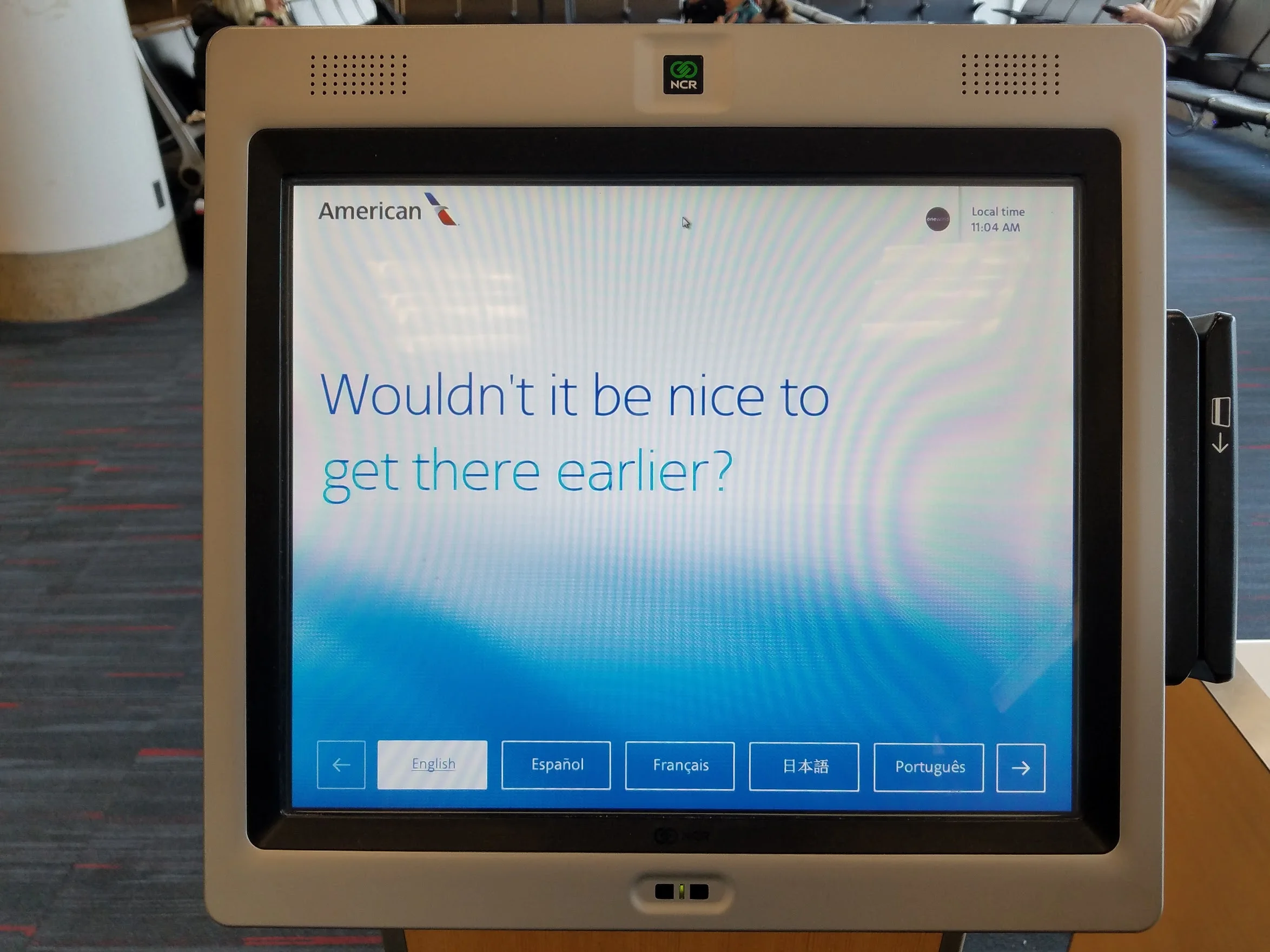
When you buy a plane ticket, you've already completed the primary transaction—so why must you still check in? This practice, which can lead to you being unceremoniously dropped from your flight if you fail to check in adequately ahead of time, seems obsolete. In fact, many airlines, starting with Delta in 2017, have made strides toward automating this inconvenient requirement. It's time for this to become the industry standard.
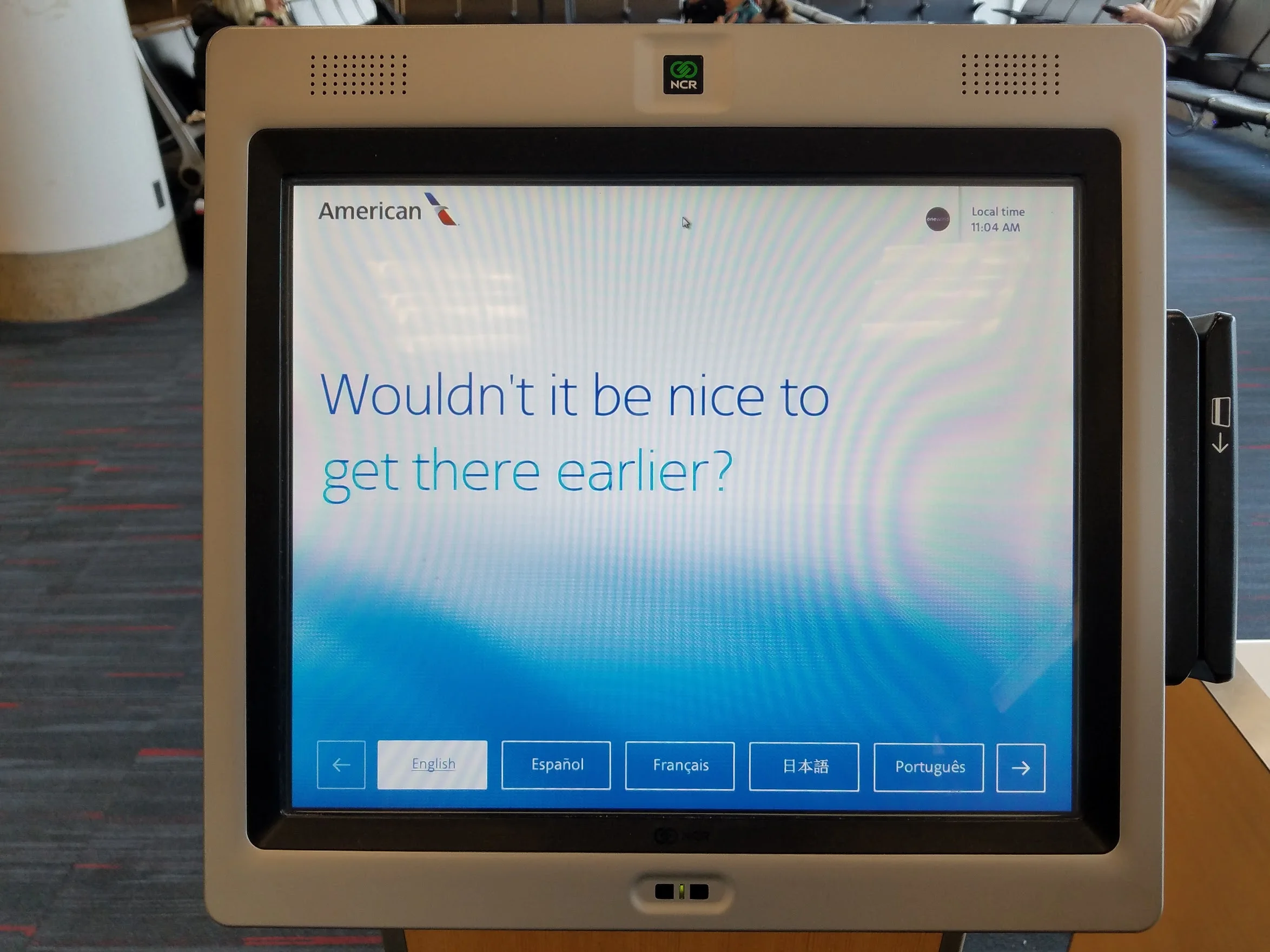
Check-in initially made sense in a world reliant on physical verification and paper records, where passengers needed to present themselves at airline counters. There was a time when confirming your reservation via telephone was the norm, often involving a conversation with an agent who would manually record details. However, such practices have evolved, and they no longer fit within the modern context of air travel, where online check-in has existed since Alaska Airlines introduced it in 1999. The technological advancements since then—such as mobile applications and digital ticketing—have fundamentally altered the way we approach air travel.
Debunking the Need for Check-Ins
Check-in serves several airline functions, such as confirming passenger acceptance and managing seating arrangements, but there's no pressing reason that passengers must trigger this process themselves. An airline’s departure control system already keeps track of necessary details like boarding passes, baggage checks, and passenger lists. This system is sophisticated enough that it can manage travel logistics without relying on the passenger's actions. At its core, this calls into question the very rationale behind manual check-ins; do passengers need to be gatekeepers of their transportation experience?
While check-in helps airlines assess projected attendance for each flight and aids in operational timeliness, the concept is increasingly antiquated. Airlines could easily adopt automatic check-in systems that validate tickets and assign seats without requiring passengers to initiate any actions. Beyond mere convenience, this could enhance the flying experience as travelers could avoid the anxiety tied to missing a cut-off time—an issue that disproportionately affects those who might be traveling with children or navigating unfamiliar airport environments. Furthermore, airlines often use a check-in cutoff to free up seats for standby passengers; however, this could also be managed through other automated means, reducing human error and improving overall efficiency.
An ongoing argument used to justify check-ins relates to weight and balance calculations, but this is a misunderstanding. The actual load management must reflect who boards the flight, not just who checked in ahead of time. What matters are the passengers and baggage present on takeoff—not merely those acknowledged by a pre-flight process. This lack of understanding tends to reinforce outdated practices that do not contribute to operational transparency or efficiency.
Progress and Current Practices
Some airlines are already testing automatic check-in processes. Delta's app-based solution is an example where eligible travelers benefit from automation to avoid repetitive tasks, albeit with a caveat regarding responsibility for restricted items. But this isn’t a sweeping fix. Other carriers, like Lufthansa and LATAM, have implemented similar systems for their customers, yet the adoption across the industry remains uneven. Many travelers find themselves stuck navigating outdated systems in airports, facing frustration every time they encounter a kiosk that still demands manual engagement.
Steps Toward Full Automation
To genuinely enhance customer experience, airlines should:
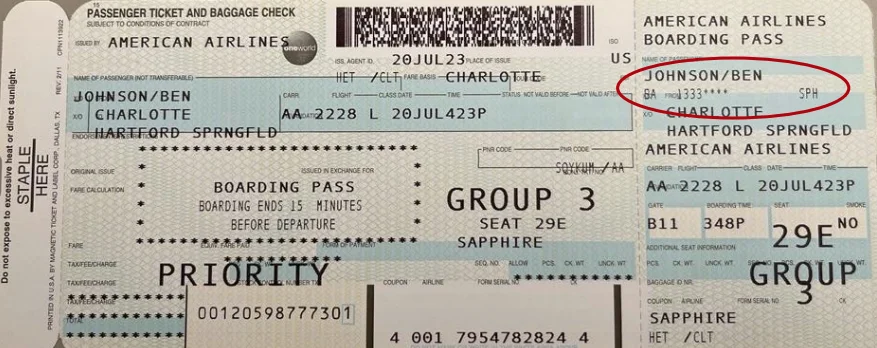
- Automatically issue boarding passes. By validating tickets and running essential checks without requiring passenger interaction, airlines could issue passes as soon as eligibility is confirmed. This would eliminate the anxiety surrounding potential issues on the day of travel.
- Clearly communicate missing requirements. If specific documents are needed, airlines should notify passengers promptly to avoid last-minute surprises. This not only improves customer service but also minimizes delays at the airport.
- Trigger passenger lists automatically. Upgrade lists and standby requests should be handled without needing action from passengers. This can free staff to focus on more critical customer interactions.
- Set firm deadlines for critical passenger tasks. Inform travelers of when bags must be dropped and any unresolved checks that need completion while streamlining the entire process. This clarity could keep more passengers informed and lessen congestion.
While some complications may still arise—think connections, partner tickets, or documentation issues—automating the existing check-in process could significantly improve operations for both airlines and passengers. The balance between service and efficiency is key here. If you're working in this space, you know the stakes.
Access to Paper Boarding Passes
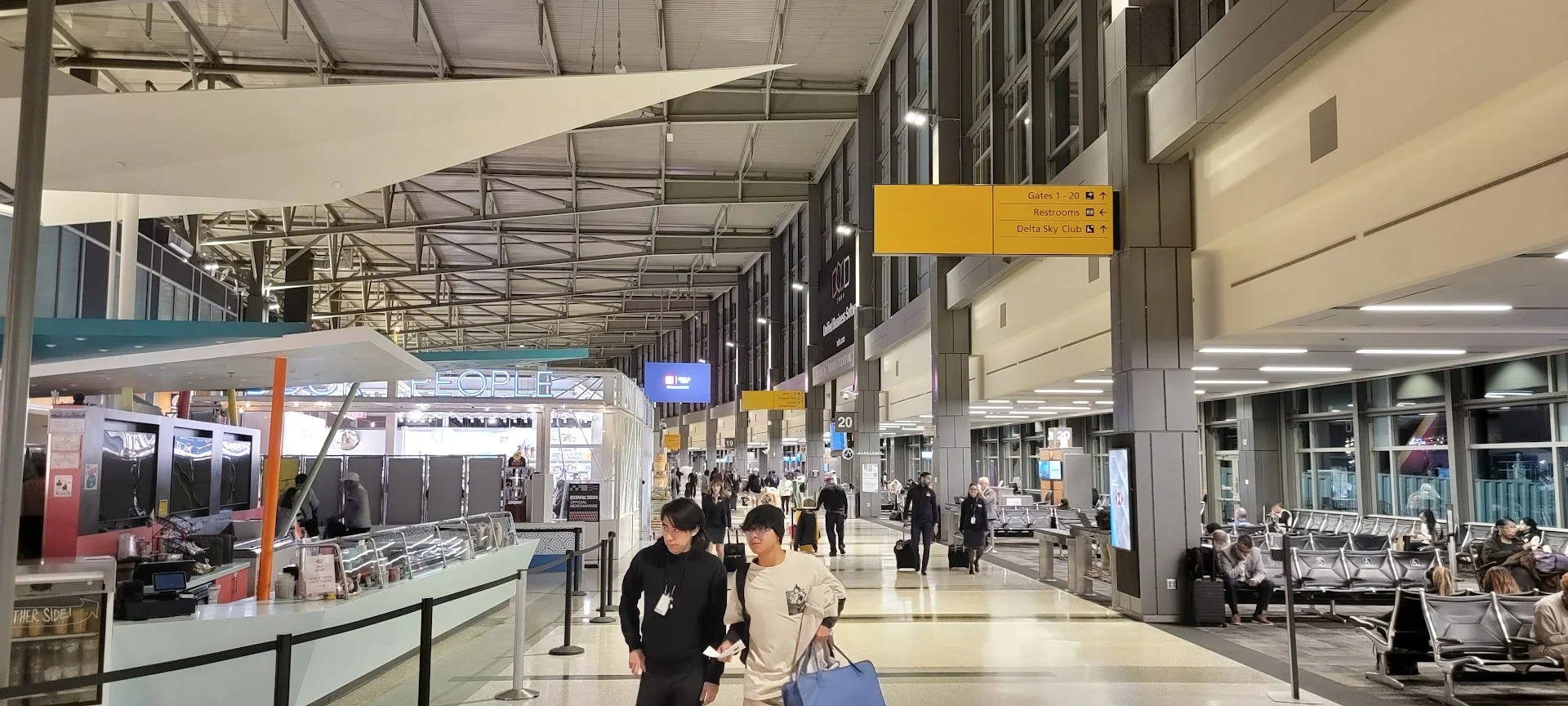
Furthermore, passengers should always have access to paper boarding passes. Relying exclusively on mobile boarding passes can create issues for those with dead devices or connectivity problems. The reality is, not everyone is tech-savvy or constantly connected. Airlines should ensure that simple methods for receiving physical boarding passes remain available, allowing all travelers to validate their journeys without adding unnecessary layers to the travel experience. This aspect of customer service, though often overlooked amidst the push for digitalization, is fundamental to ensuring inclusivity in air travel.
Future Outlook for Check-In Procedures
As the push for automation in air travel continues, what does this mean for the future of check-in procedures? Automation has the potential to reshape not just how airlines operate, but also how passengers perceive their journey. If airlines can automate check-ins effectively, they can reclaim significant time, reduce operational costs, and enhance passenger satisfaction. That said, the transition wouldn't be without hitches—each airline's unique processes could complicate standardized automation. Yet, in a world accustomed to instant services, sticking to outdated mechanisms could do more harm than good, leaving passengers frustrated with systems that don’t meet their needs. The time for airlines to evolve is now.

Discussion
Sign in to join the discussion.