American's pilot contract limitations hinder its market growth in Austin, allowing Delta to seize the opportunity as American awaits future expansion.
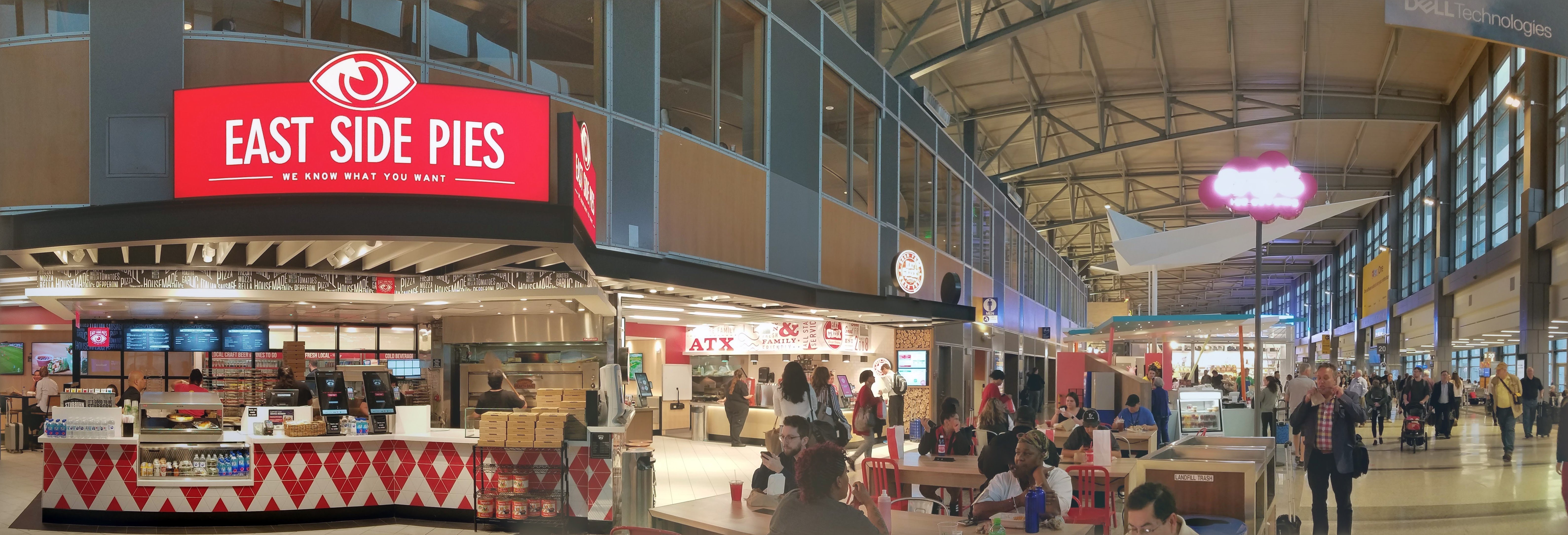
American Airlines Faces Competition in Austin
While American Airlines has historically held a strong position in Austin, recent challenges related to its pilot contract are complicating its ability to compete effectively against Delta Air Lines. The union’s contract restricts the use of regional jets, limiting American's ability to develop new routes in a burgeoning market, which is crucial as Delta expands its footprint in the area.
American's commitment to increase its gate allocation at Austin-Bergstrom International Airport is set for the 2030s, but that timeline puts it at a disadvantage. Delta and Southwest Airlines have already secured more gates, enabling them to build their customer bases in Austin while American has pulled back to focus primarily on its hubs.
As noted on a recent Airlines Confidential podcast, the constraints from American's pilot contract significantly hamper its operational flexibility. Scott McCartney, a former airline reporter, explains that the contract limits regional jet usage primarily to legacy hubs, inhibiting American from exploring new routes in Austin.
Delta's Strategic Moves in Austin
Delta’s proactive approach in Austin has been evident since it identified the city as a focus point over a decade ago. Prior to the pandemic, American made significant strides to grow its presence, with the former Chief Commercial Officer Vasu Raja even dubbing Austin his “love language.” However, Delta capitalized on American's retreat, claiming gates and launching regional flights to test markets.
American previously expanded to ten new routes in 2021 and added another fourteen in mid-2022, catering to both business and leisure travelers in the Austin area. Partnerships with Alaska Airlines and JetBlue bolstered American's reach and provided a more compelling reason for local customers to remain loyal, ultimately strengthening its AAdvantage loyalty program.
As Delta sees American falter, it’s responding strategically. CEO Ed Bastian outlined, in last year’s investor discussions, how credit card opportunities play a significant role in Delta's plans for Austin—an area where American's backtracking has created fertile ground for Delta to grow.
Operational Limitations from the Pilot Contract
The complexities created by American’s pilot contract pose substantial challenges. McCartney highlighted that over 85% of American’s regional flights must operate from certain qualifying hubs, limiting Austin’s potential as a base for growth. Essentially, Austin doesn’t meet the criteria, causing new regional routes to utilize part of the 15% allocation allowed across American’s network.
This limitation means that while American can deploy larger mainline aircraft from Austin, doing so is cost-prohibitive in a market that should be served by smaller jets. It’s simply more efficient to fly regional planes on routes that American cannot yet justify using larger aircraft.
While some believe that the union contract is designed to maintain pilot jobs by utilizing regional airlines only as feeders, it inadvertently constrains American’s market development in Austin—an essential strategy if the airline aims to eventually expand mainline operations there.
Future Gate Allocations and Growth Prospects
American Airlines is set to gain a total of nine gates in the future as part of the new airport use and lease agreement. However, the anticipated timeline stretches into the next decade, putting them at a crucial disadvantage while Delta is in a position to deepen its market penetration.
The disparity in gate allocations reflects a significant advantage for Delta and Southwest, who can expand operations now instead of waiting for new facilities. American must navigate these limitations while also increasing its offerings or risk losing market share to competitors.
Despite the challenges, there’s cautious optimism about American’s future in Austin. Some industry analysts, like former American AAdvantage head Maya Leibman, have pointed out that American’s planned investments and the new lounge at Austin-Bergstrom indicate that it’s not totally retracting. However, the reality remains that they have already reduced their presence amid heavy competition.
Early Negotiation on Pilot Contract Revisions
There’s some urgency for American’s pilots as they’ve opted to open contract negotiations ahead of schedule. The move comes as the current agreement becomes amendable in mid-2027. Tensions between the pilots and management are palpable, particularly regarding American's recent financial performance and the airline’s shift toward prioritizing customer service investments.
Pilots seeking a flexible contract that supports growth in key markets recognize the importance of adapting their operational strategies. Maintaining restrictions that hinder competitive readiness could lead to lower profits for the airline and fewer job opportunities for pilots as Delta continues to grow.
The pilots’ advocacy for more significant market development aligns with a broader vision: enhancing mainline flying opportunities as regions like Austin mature. Therefore, the negotiations could serve as an essential juncture for American as it moves toward realizing its growth potential in competitive environments.
Opening the door to limited exceptions in the current contract regarding regional flying could lead to reciprocal commitments for long-term mainline growth as the market evolves. Both American and its pilots have a vested interest in fostering local expansions that enhance operational viability for the airline while ensuring the job security of its pilots.
In the end, how American Airlines navigates these challenges will determine its competitiveness in Austin and potentially beyond. With keen attention to union dynamics and strategic operational decisions, American must move decisively to reclaim its footing in a rapidly evolving aviation market.

Discussion
Sign in to join the discussion.