American Airlines welcomes business class passengers to its Flagship Dining, offering an improved menu and premium wines, but at the cost of exclusivity.
Business Class Access to Flagship Dining
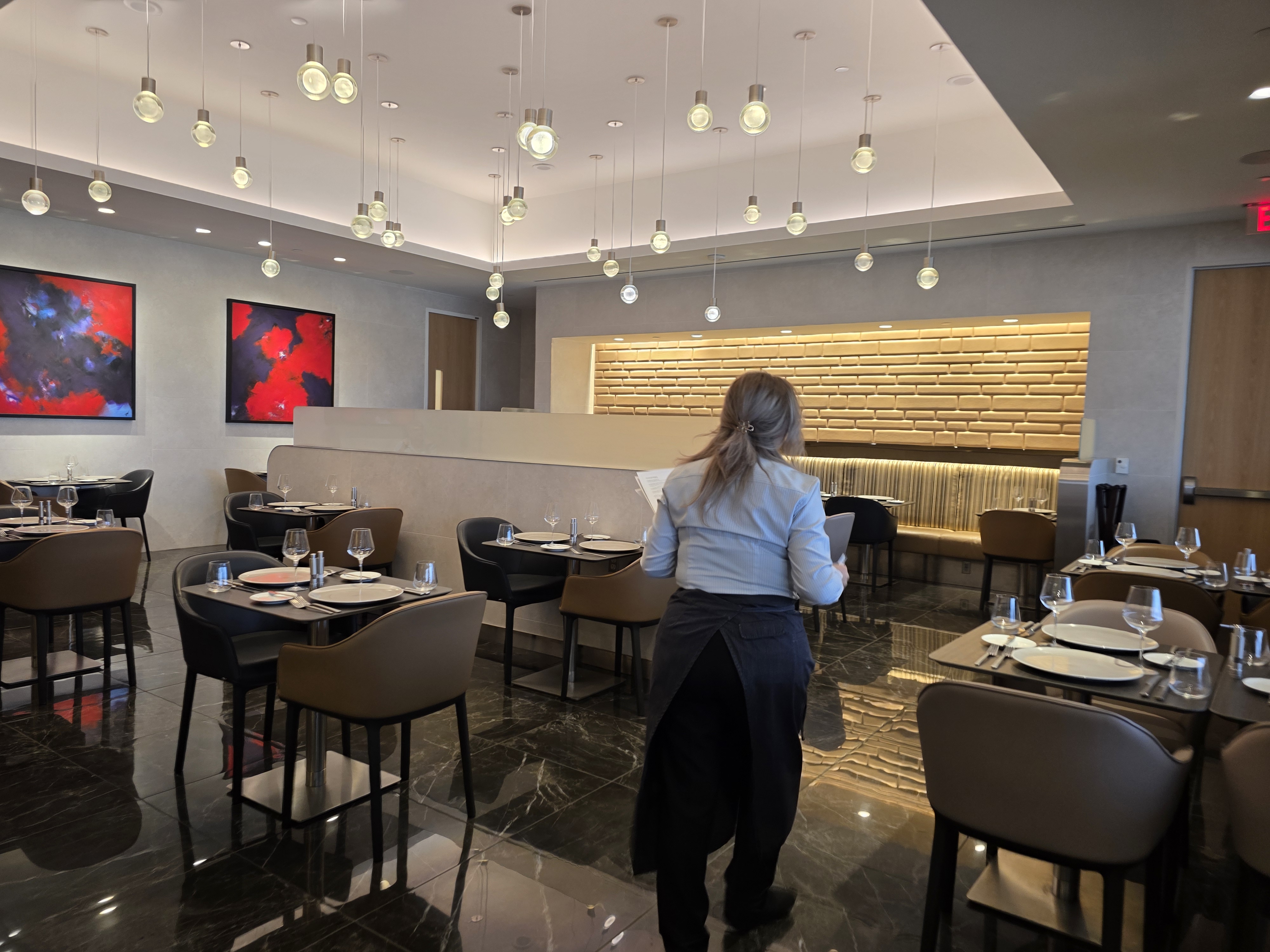
American Airlines has recently broadened access to its upscale dining experience, Flagship Dining, now allowing business class passengers to enjoy what was formerly exclusive to first class. This change took effect September 15, granting eligible American Flagship Business customers the opportunity to dine in sit-down restaurants located within its Dallas–Fort Worth (DFW) and Miami Flagship lounges, with plans for Los Angeles to follow later this year. This evolution in service speaks volumes about American Airlines' strategy in a fiercely competitive airline industry, where every additional amenity can be a decisive factor for travelers when choosing their next flight.
A Shift in Experience
While this initiative offers a notable enhancement for business travelers, it also diminishes some of the exclusive ambiance that characterized Flagship First Dining. Previously renowned for its privacy and low traffic, this dining experience was often heralded as one of the premier airport offerings in the U.S. Now, with business class access, the intimate setting that long distinguished Flagship First may transform into a more crowded environment. After the introduction of business class access, it's likely to see an uptick in patron volume that might challenge the original charm. The added foot traffic could dilute the unique experience that first-class diners have enjoyed. Regular travelers may appreciate the enhanced access, but some might miss that unmistakable sense of exclusivity that set Flagship Dining apart. Questions linger about how American Airlines plans to maintain the ambiance that long-time loyalists have come to expect.
Menu Highlights: New Additions and Familiar Fare
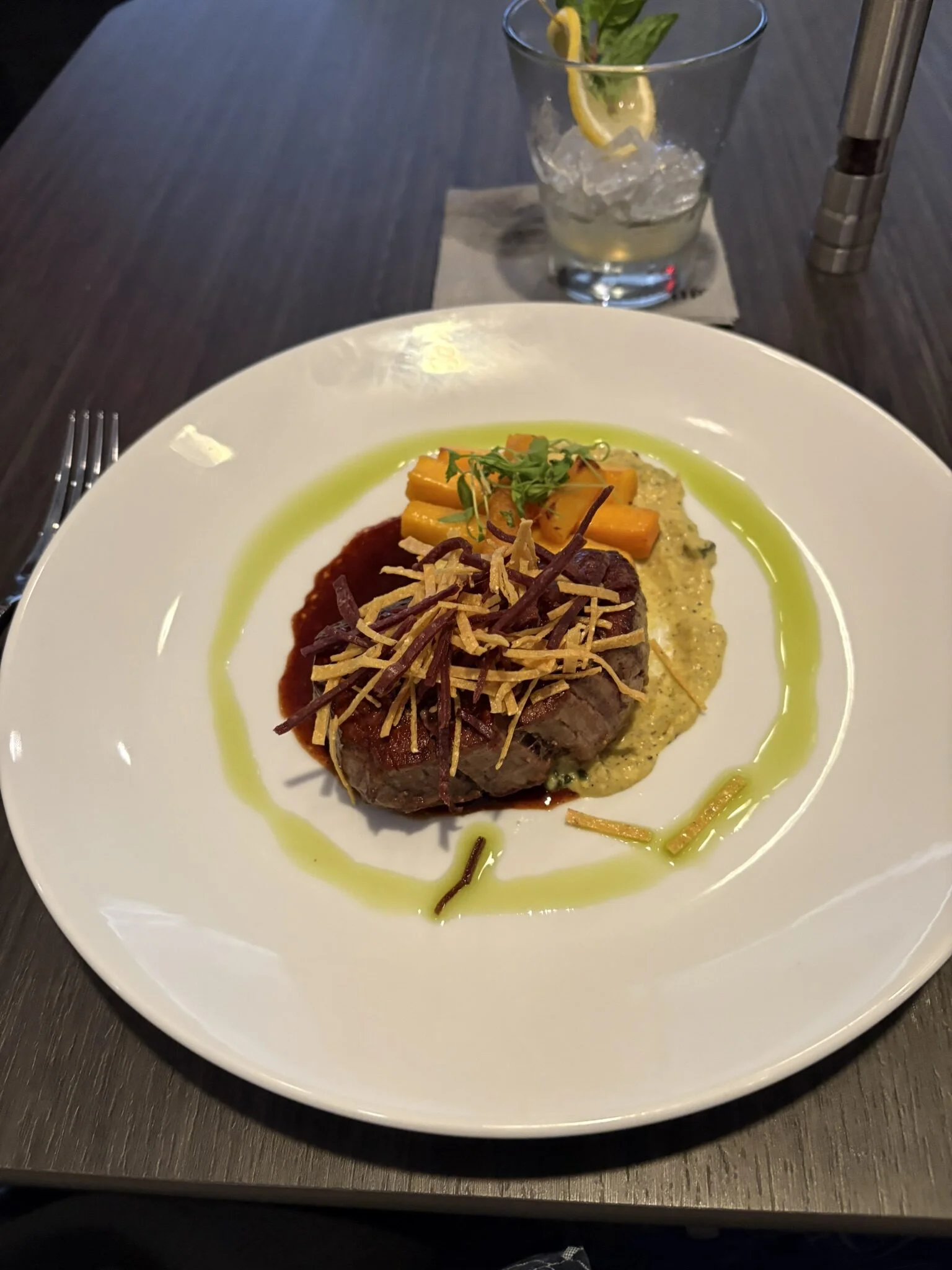
The revamped menu for the Flagship Dining experience introduces an impressive selection of dishes designed to cater to diverse palates. Starters include crispy king oyster mushrooms served with spicy heirloom tomato sauce, a Texas pear and burrata salad, and artisanal cheese boards that reflect regional inspirations. For mains, options span from a DFW signature burger to crab cakes, beef filet, and chicken breast—reflecting a balance of comfort and refinement. These offerings show a strong understanding of what premium travelers seek: quality ingredients and attention to detail.
Yet, what's equally intriguing is how these menu items fit within the broader context of airline dining trends. Many carriers are investing heavily in improving their food and beverage services to woo discerning passengers. American's choices reveal an intentional effort to cater to both adventurous eaters and those who prefer classic fare.
Wine Selection that Impresses
American Airlines has made a significant move in its wine offerings through a partnership with KHK. Highlighting selections such as the $125 Hillside Cabernet Sauvignon and notable products like the Chateau Montelena Chardonnay—famous after the 1976 Judgment of Paris wine tasting—this elevated wine list aims to enhance the dining experience. The emphasis on curated wines is a strategic move to differentiate American Airlines' service from its competitors. Perhaps most intriguing is the introduction of Bollinger La Grande Année, a prestigious and complex champagne retailing at around $200, which passengers can enjoy either in cocktail form or straight from a glass.
This approach reflects a growing trend in airline culture where premium lounges feature wine lists designed to impress even the most discerning connoisseurs. The inclusion of these wines—often reserved for upscale establishments—implies a serious commitment to enhancing the guest experience via thoughtful curation. That said, the actual availability and service as patrons enjoy these wines will be key in determining whether this investment resonates with travelers.

Dine with Care and Comfort
Despite the increased volume of diners, American Airlines is committed to ensuring quality. Diners can expect greater consistency in food preparation, as the menus are designed for efficient service without sacrificing taste. This includes thoughtful touches like a sweet corn poblano purée accompanying the beef filet, and well-executed vegetarian options that maintain flavor yet simplify preparation. These efforts aim to accommodate more guests without losing integrity. If you're working in this space, you know the balance between quality and efficiency can be tricky to achieve. American's decision to streamline menu offerings while preserving high standards could be a smart move to manage increased demand while still catering to a premium audience.
But can they pull it off? The execution will heavily influence whether the new venture is seen as a success or a misstep.
Comparing Airline Dining Experiences
When juxtaposed against competitors like Delta and United, the new Flagship Dining represents a solid offering, though arguably less ambitious in presentation compared to Delta's tailored dining experiences that vary by location. Delta's culinary focus on unique high-end dishes contrasts with American's streamlined menu designed for scalability. However, American's inclusion of prestigious wines free of extra charges adds a noteworthy advantage in their favor. Competition in this sector is tightening, and carriers need to continually up their game.
To remain relevant and appealing, American's dining options must evolve. The consistent emphasis on quality, combined with strategies for accommodating additional patrons, may position American favorably against its rivals.
Forward-Looking Considerations
The challenge will likely reside in managing the influx of diners and their wait times, particularly during peak evening hours. If American Airlines can maintain service standards amidst increased traffic, it may solidify its place in a competitive arena. Those traveling in business class can look forward to enhanced experiences with flavorful dishes and distinguished wine selections, ensuring that American Airlines continues to elevate its service standards in the competitive airline industry.
What this means for you is a more accessible luxury experience, yet the initial thrill could fade if operational execution falls short. Airports can be tumultuous places, and even top-tier services risk disappointing when lines grow long and service lags.
In the end, the new dining experience caters to a broader audience while still providing a sense of exclusivity and attention to culinary detail that many expect from premium airline services. It's an intriguing shift that may reshape how frequent flyers view American Airlines’ onboard and lounge offerings. But this transformation is fraught with risks; will the quality match the quantity, or will this endeavor dilute the very experience they're trying to enhance?

Discussion
Sign in to join the discussion.