Spirit Airlines finalizes the sale of its last 27 aircraft for $668 million, following its bankruptcy filing and cessation of flight operations.
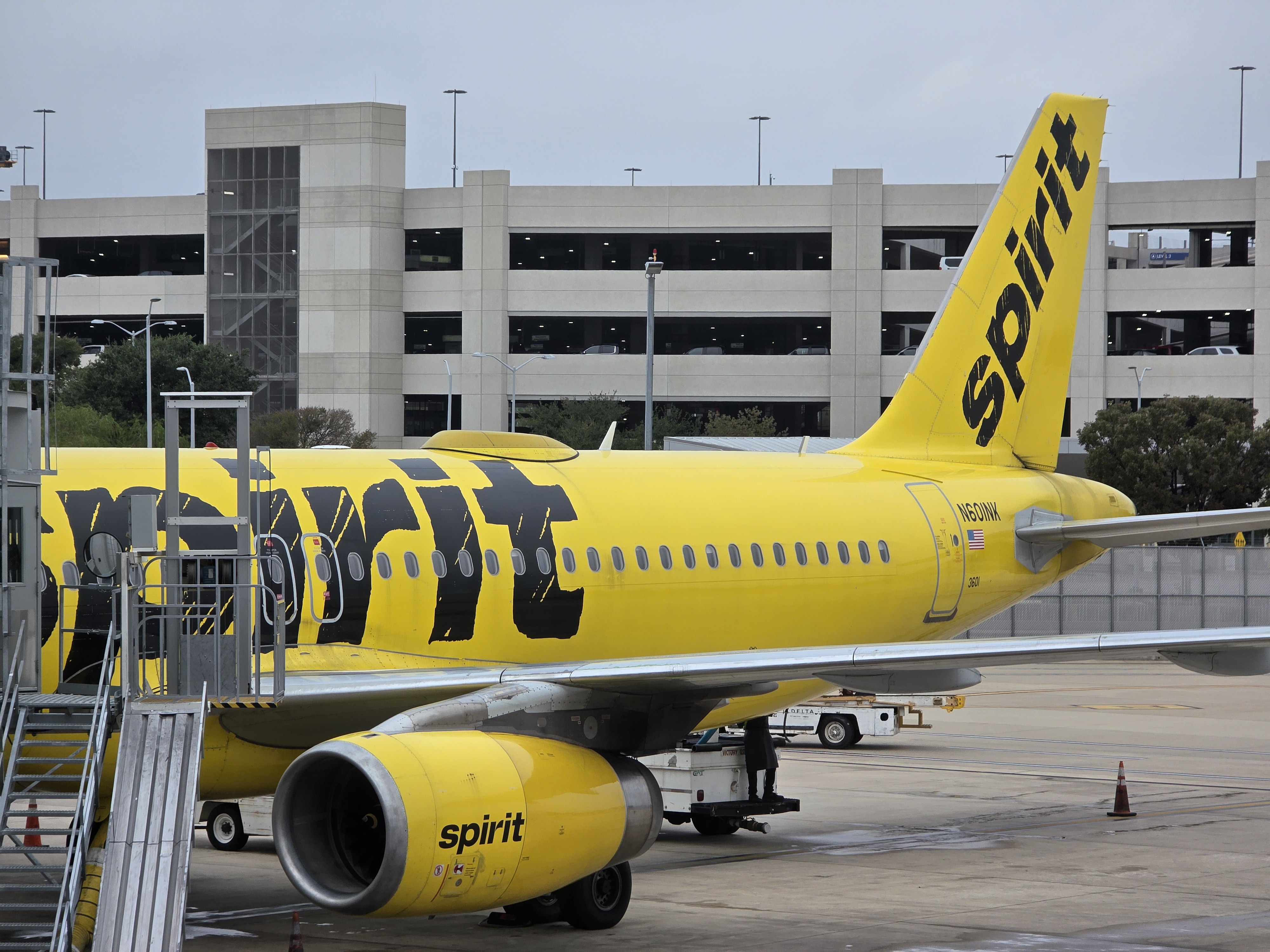
Spirit Airlines has obtained bankruptcy court approval to offload its last major batch of 27 aircraft for a total of $668 million, marking a significant step nearly five months post its cessation of flight services. A large portion of these planes is being transferred to a company associated with Spirit’s creditors.
It's essential to understand that the bankruptcy estate won’t receive the full cash amount from this transaction. Instead, the sale price is partially offset by debts owed by Spirit to its aircraft lenders. This situation sets a grim precedent for the company's financial future, revealing the sophisticated financial structures airlines often use to manage their fleets and the risks involved in bankruptcy proceedings.
The Deal Breakdown
On September 23, bankruptcy judge Sean Lane sanctioned two separate agreements involving:
- Save 2026-B LLC acquiring 23 aircraft for $567.4 million. This includes 10 Airbus A320s and 13 A321s, and the buyer is a vehicle managed by holders of Spirit's aircraft equipment notes, which are secured by the planes.
- FTAI Aircraft Leasing Bermuda (2026) Ltd. taking four A321s for $100.7 million cash. This affiliate of FTAI Aviation is purchasing N661NK, N665NK, N670NK, and N671NK.
Combined, these sale orders total $668,129,000, as clarified in the aircraft sale order documents.
If you're working in this space, you'll appreciate the nuances behind these transactions. It's not just about selling planes; each sale involves negotiations with multiple stakeholders including creditors and managers with vested interests in these aircraft. Given the context of bankruptcy, every decision is magnified—one misstep could have long-term repercussions for the rest of the estate's recovery efforts.
Aircraft Details and Auction Efforts
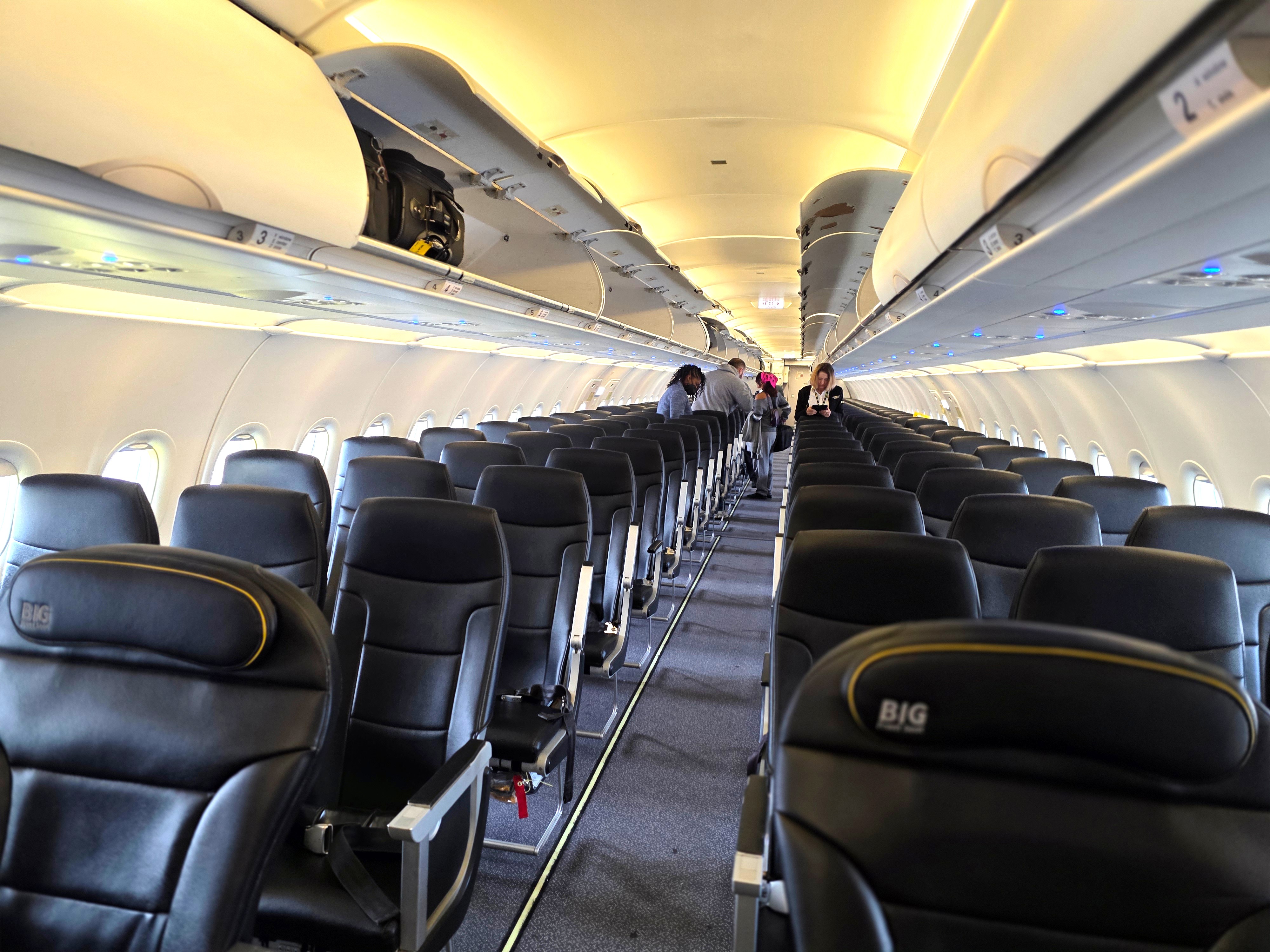
The aircraft being sold are older models of the Airbus family, manufactured between 2015 and 2018, and powered by International Aero Engines V2500 engines. The sale includes the airframes, engines, ancillary equipment, and records, all in as-is condition. While these aircraft may be appealing to some buyers, they also come with challenges typical of older fleets, including maintenance costs and potential technological obsolescence.
When Spirit filed for its second bankruptcy in August 2025, the company still possessed a fleet made up of 48 owned aircraft and another 166 leased. However, many of the planes were mortgaged, complicating the sale process and limiting potential buyers. This last batch of 27 aircraft, financed through enhanced equipment trust certificates, underscores a troubling trend in the aviation sector where financial liabilities can overshadow operational flexibility.
Prior to this deal, Spirit had already secured the sale of 20 aircraft to CSDS Asset Management, with one more aircraft planned for separate liquidation. Spirit’s decision to suspend passenger operations on May 2 marked a turning point, as the court approved the rejection of remaining aircraft leases effective May 8. Cutting ties with lessors like this is often necessary for distressed airlines, but it can lead to a significant decrease in operational capacity.
Efforts to find alternative buyers were extensive. Spirit’s consultants reached out to 137 potential buyers, with about 40 showing interest and eight submitting bids. Ultimately, only FTAI presented a qualifying bid that surpassed the lenders' offer, but just for the four A321s. The outcome of the auction illustrates a harsh reality for airlines in distress: in many cases, the market simply won't provide favorable deals. (And this is the part most people overlook: the inherent risk of operating within a highly competitive and often volatile industry.)
Significance of the Aircraft Sales
The consequences of these sales stretch beyond immediate financial recovery. For Spirit, this deal represents a delicate act of balancing its debts while attempting to preserve some level of operational integrity. But the underlying issues of consumer trust and market positioning remain. How will Spirit reestablish itself in a sector that’s not just competitive, but also increasingly reliant on image and service quality?
Now, about the wider implications for the airline industry: this situation could signal a chilling trend. Other carriers might face similar circumstances, where debt obligations stifle operational decisions. As airlines navigate through post-pandemic recoveries and fluctuating demand patterns, the lessons from Spirit’s plight might resonate widely. The reliance on complex financing options without sufficient liquidity could become a cautionary tale for the sector.
Looking ahead, what this situation means for other airlines can’t be overlooked. If larger airlines find themselves in similar situations, they too may struggle to maintain operations and attract buyers for their assets. It raises the question of what strategies new or existing airlines will adopt to stay competitive amid rising costs and shifting passenger expectations.
In short, Spirit's aircraft sales are more than just numbers on a balance sheet. They're indicative of ongoing turbulence in the aviation sector and a reminder of the fragility of airline operations. The challenge lies in recovery and rebuilding trust with consumers as well as investors. Whether Spirit can transform its fortunes will be closely watched in the months to come.

Discussion
Sign in to join the discussion.