Frontier Airlines contends with increased competition and evolving customer preferences, prompting leadership shifts and product enhancements to attract passengers.
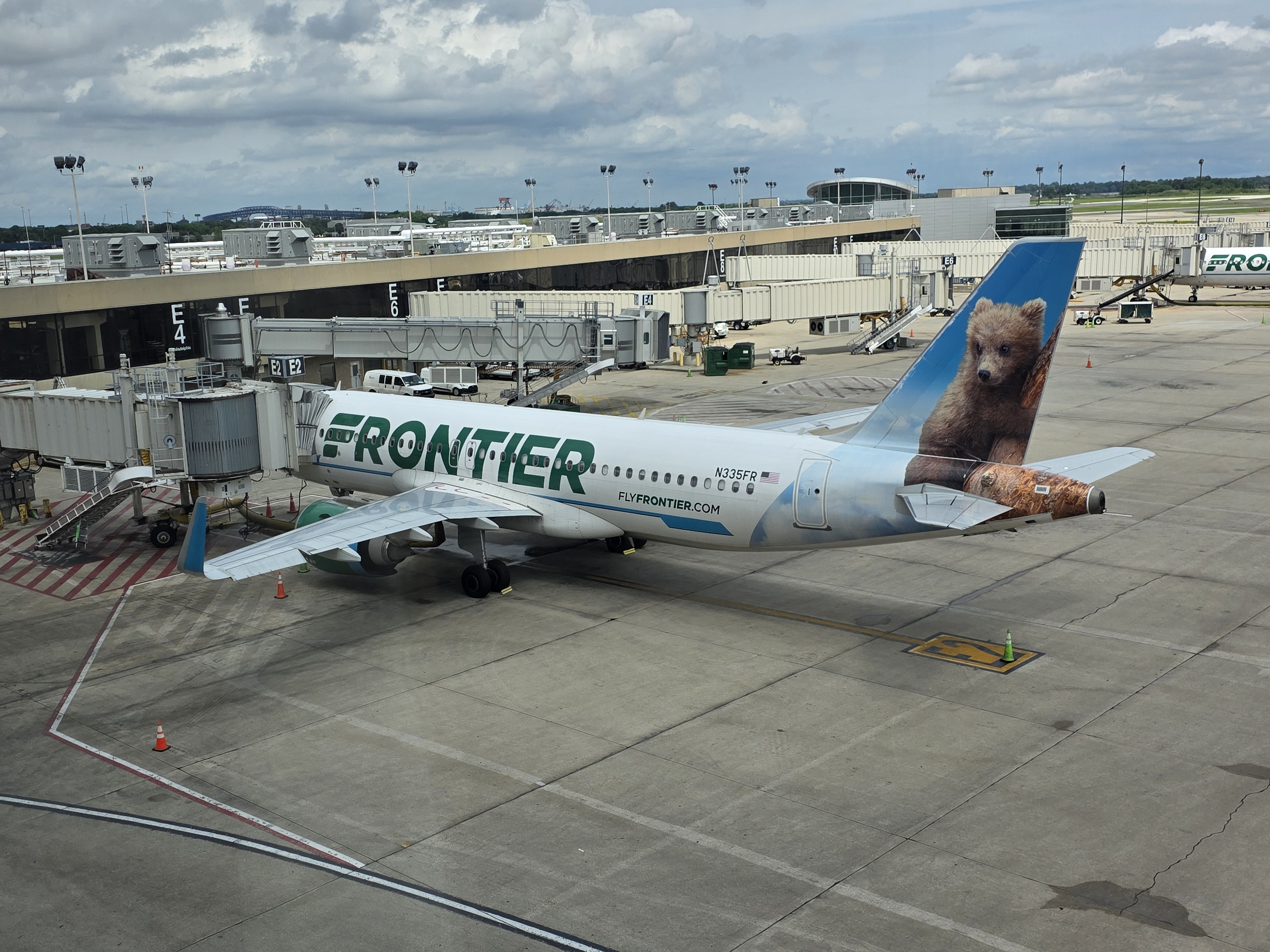
Frontier Airlines faces mounting challenges in a competitive airline marketplace as it grapples with evolving consumer preferences while trying to maintain its low-cost model. Recent comments from CEO Jimmy Dempsey shed light on the airline's struggle against major carriers, which he claims are using credit card subsidies to offer more attractive basic economy fares. However, this assertion may oversimplify the issues at hand.
The larger airlines have refined their offerings to lure customers from low-cost airlines like Frontier. They’ve invested wisely in products that meet consumer demands, transforming their loyalty programs into powerful tools that not only attract cardholders but also drive significant revenue for the airlines. The relationship between banks and airlines is largely symbiotic; customers want rewards, banks are eager to court these consumers, and airlines profit by facilitating the connection.
While Dempsey attempts to pinpoint the issues that led to Frontier's financial losses post-pandemic, his critique of competitors overlooks a critical fact: the competitive landscape has evolved, and Frontier must find ways to adapt or risk falling further behind.
Understanding the Economics of Loyalty Programs
Airline loyalty programs are often misunderstood. Dempsey's narrative mistakenly frames the relationships between airlines and banks as cross-subsidization. In reality, airlines derive substantial income from selling miles and access, which help banks attract customers. For instance, Delta Air Lines reported a remarkable $4.1 billion from its American Express partnership in 2019 — a figure that soared to $8.2 billion by 2025. Such earnings aren't merely perks but a fundamental component of how airlines strategize their route networks and pricing.
This economic interdependence can result in airlines prioritizing certain routes based on their potential to attract and retain valuable loyalty program members, often at the expense of direct ticket revenue. The idea that each basic economy ticket may incur individual losses fails to consider the broader financial implications of loyalty and customer engagement.
Navigating Basic Economy Fare Structures
Basic economy pricing isn't a new phenomenon; it's just a reconfiguration of older pricing strategies that leverage restrictions to maximize revenue. Airlines have always aimed to sell the maximum number of seats without allowing consumers willing to pay more to be undermined by discount fares. Fare restrictions are tools designed to segment markets rather than hinder revenue.
Historically, airlines like American Airlines introduced advanced purchase fares to fill planes efficiently while catering to varying customer willingness to pay. Today, low-cost carriers like Frontier complicate these strategies by offering unrestricted tickets, which has forced larger airlines to adapt their pricing models. Basic economy has thus become a strategy focused on product constraints rather than trip requirements, allowing airlines to maximize revenue while catering to diverse market needs.
The Shift Towards Enhanced Customer Experience
Frontier recognizes that passengers are willing to pay extra for improved service, as exemplified by the success of its UpFront Plus seating option, which has reportedly doubled revenue from the space it occupies. This aligns with the broader industry trend of shifting consumer expectations. Travelers increasingly desire more than just low fares; they seek comfort and convenience, prompting airlines to diversify their offerings.
Legacy carriers have a distinct advantage in offering budget fares alongside premium upgrade opportunities. They can also fill seats at minimal marginal costs, making it easier to match competitive pricing without sacrificing service. Consequently, Frontier faces an uphill battle to attract price-sensitive travelers if it can't offer additional perks or a superior travel experience.
- Legacy airlines maintain the ability to undercut on price while displaying more varied options for upgrades.
- They can fill otherwise empty seats without significant financial loss, presenting attractive models for customers.
- Passengers tend to favor legacy carriers, citing advantages like better service recovery during disruptions, superior seat comfort, and enhanced technology.
When presented with offers from major airlines like United, many travelers might prioritize the better experience over Frontier's lower fare proposition. Understanding this hierarchy of consumer preferences is vital for Frontier as it formulates its strategy moving forward.
Future Challenges and Product Offerings
Frontier’s strategy includes initiatives like adding first-class seating and Wi-Fi, yet execution remains critical. While these enhancements are steps in the right direction, they also highlight challenges the airline has yet to address. With a significant emphasis on comfort and connectivity in today’s flight experiences, the need for a complete offering becomes paramount.
Past CEO Barry Biffle accurately identified the need for a more upscale product aimed at affluent travelers. Still, mere introductions of first-class and improved Wi-Fi services won’t suffice if the airline struggles to provide consistent service and value. There's no denying that time without internet access on long flights can make the cheapest ticket less appealing in terms of overall expenses.
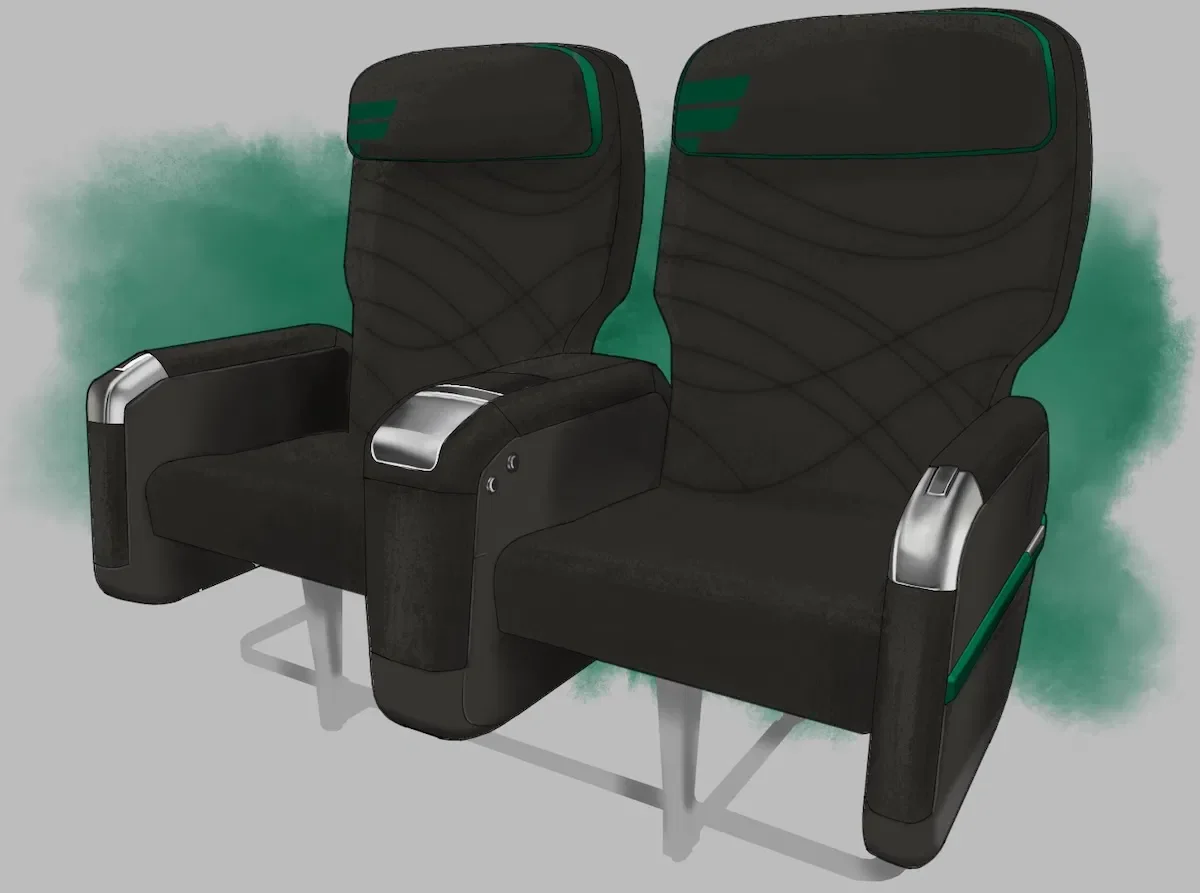
Moreover, Frontier's current product offerings remain modest. While their UpFront Plus option has merit, the absence of a comprehensive first-class experience—inclusive of complimentary food and effective service—limits its ability to compete head-to-head with other airlines.
Balancing Low Costs and Customer Loyalty
Dempsey acknowledges that Frontier isn't solely to blame for the failures seen in other low-cost carriers such as Spirit Airlines. However, noting Spirit's rising costs and lack of effective discipline amidst market change offers learning opportunities. Frontier could capitalize on the chance to provide more comfort without inflating operating costs, but they must also build a loyal customer base willing to engage with its evolving services.
One of Frontier's significant missteps has been its recent loyalty program adjustments, which have frustrated existing members. Cutting miles earned from base purchases while restructuring redemption tiers could alienate valuable clientele just as much as it may attract new ones. After all, crafting compelling reasons for customers to opt for Frontier's credit offerings is vital to maintaining competitiveness against airlines with well-structured loyalty systems.
While Dempsey perceives rivals as benefitting from a misguided subsidy model, the truth lies within customer engagement. Until Frontier can merge affordability with quality service and a strong loyalty proposition, it will continue to face stiff competition in a market that prioritizes both value and experience.

Discussion
Sign in to join the discussion.