A recent pocketknife find at Dallas Love Field highlights TSA's ongoing security challenges and contradictory policies regarding small sharp objects.
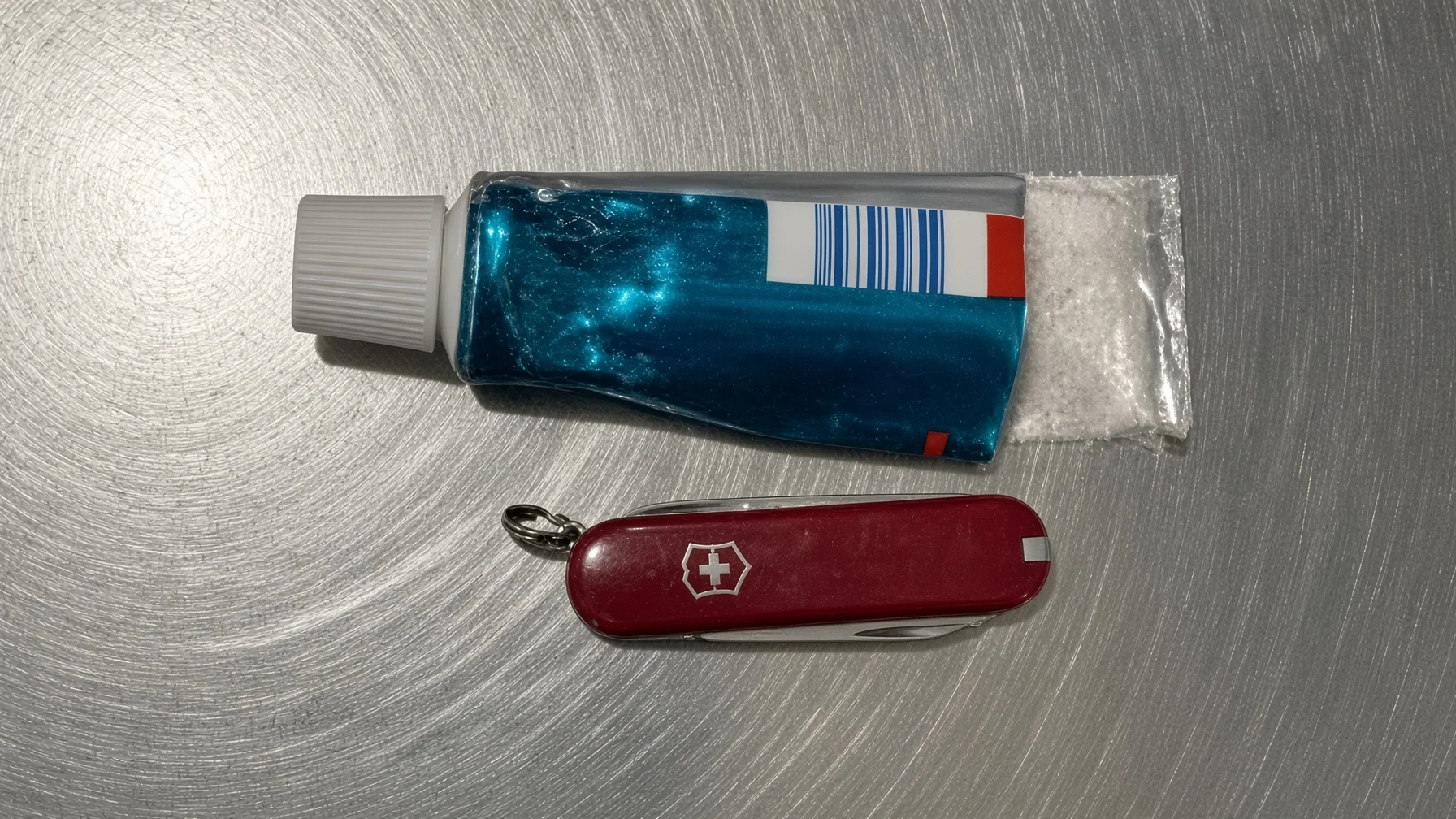
Recently, TSA officials at Dallas Love Field encountered an unusual security breach involving a pocketknife cleverly concealed within a toothpaste tube. The couple involved disclosed that their son had advised them to hide the knife to pass through security. Following the discovery, they willingly surrendered the item and proceeded to board their flight, prompting TSA to celebrate the incident.
This leads us to an interesting point: while the attempt to sneak a knife through airport security certainly raises eyebrows, it’s hard to argue that the individual posed a serious threat. The prevailing reaction among industry analysts suggests that highlighting such finds doesn’t inherently speak to the effectiveness of TSA’s screening processes.

According to TSA’s account of the September 22 incident, a screener detected what appeared to be metal during the x-ray examination of the couple’s belongings. Initially overlooked, the item was identified on a second pass through the machine, revealing the hidden knife nestled inside the tube.
The agency's local leadership praised the screeners for this “excellent catch,” and Federal Security Director Amy Williams echoed these sentiments, asserting that it was precisely the type of threat for which TSA personnel are trained. But while they succeeded in this instance, the real question remains: how frequently does TSA catch more serious threats?
The couple cooperated fully by surrendering the pocketknife and making it to their flight without further issues.
Inconsistent Policies on Sharp Objects
What complicates matters further is TSA’s layered rules regarding sharp objects. While the small red pocketknife was deemed unacceptable, scissors with blades shorter than four inches can be brought aboard. This paradox raises eyebrows, especially since TSA regulations indicate that the measurement of a scissor blade is taken from the pivot to the tip, allowing scissors through security while pocketknives remain banned, despite often having shorter blades.
TSA shifted its policy for allowing small scissors back in December 2005 in a bid to enhance focus on more severe threats like explosives. A Government Accountability Office review indicated that since that rule change, there had been no reported security incidents involving these newly allowed items.
Attempts to Allow Small Knives
In March 2013, TSA briefly entertained the idea of permitting small pocketknives, outlining specifications for blades not exceeding 2.36 inches in length and half an inch in width. Former administrator John Pistole highlighted the intention to readjust focus towards larger risks, noting that fortified cockpit doors had mitigated the severity of risks posed by items like small knives.
However, widespread opposition from flight attendants, airlines, and lawmakers forced TSA to reconsider. Critics argued that allowing pocketknives could still pose a risk to passengers and crew members, as it wouldn’t entirely prevent someone from launching an assault. The planned policy change was ultimately abandoned in June 2013 following significant backlash. Additional legislation in 2018 effectively barred TSA from approving any knife other than those made of plastic.
A Deeper Look at TSA’s Security Effectiveness
Despite TSA’s triumph in identifying a pocketknife, it raises pressing concerns about overall security efficacy. Inspections uncovered alarming statistics from past tests: in 2015, TSA hit a staggering 95% failure rate in detecting mock explosives or prohibited items in 67 of 70 evaluations. Another examination in 2017 recorded an 80% failure rate.
Although subsequent assessments of TSA performance remain undisclosed, past reports have drawn scrutiny to the agency's capabilities, showing that while TSA can generate headlines by confiscating prohibited items, the broader implications for security safety remain unclear. This pocketknife incident serves as a tidy publicity piece but does little to assure the public about the integrity of airport security processes.

Discussion
Sign in to join the discussion.