JSX's commitment to 50 Heart Aerospace hybrid-electric aircraft offers a glimpse into the future of sustainable aviation, despite regulatory hurdles ahead.
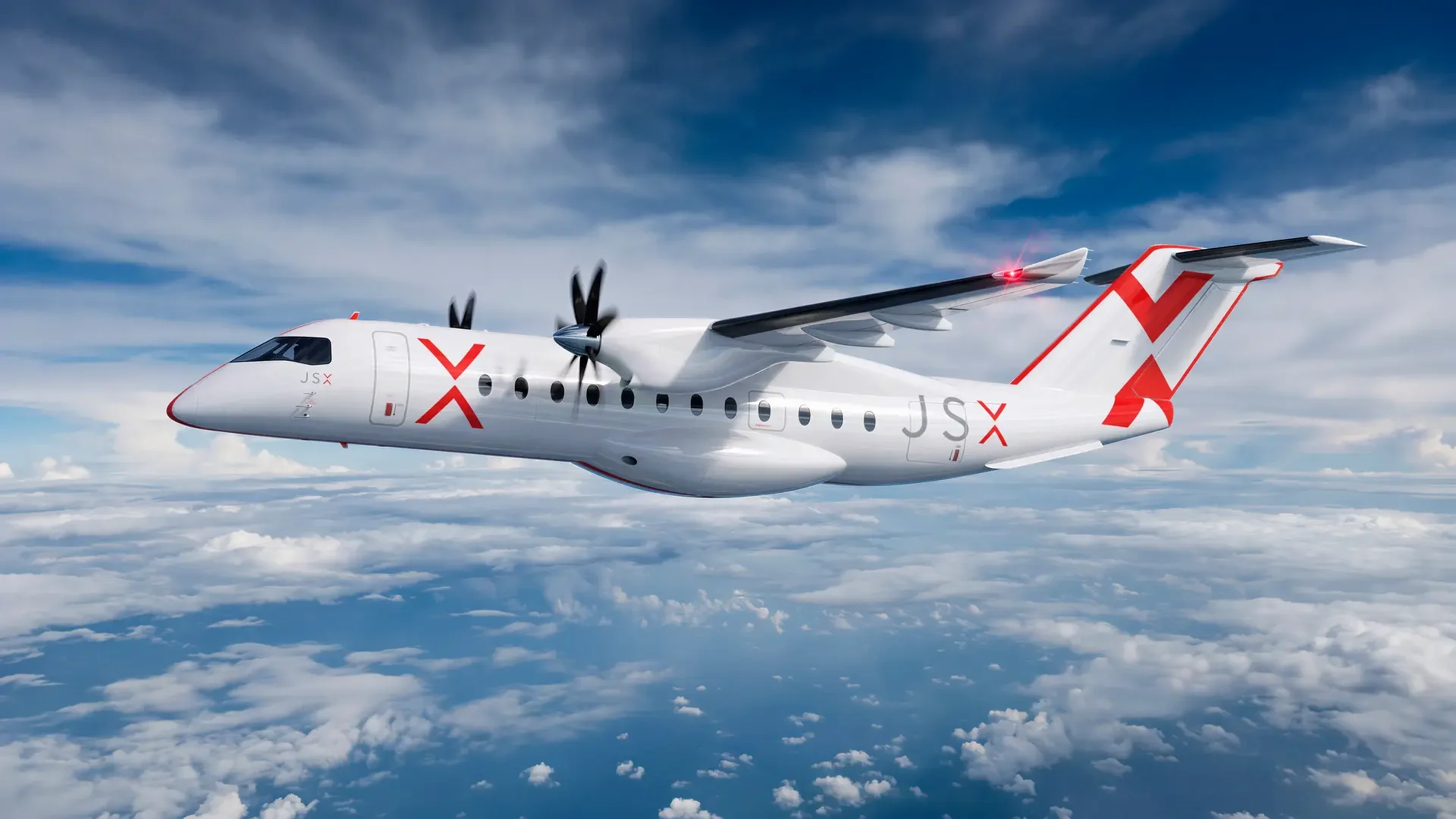
JSX has secured a significant agreement with Heart Aerospace for up to 100 hybrid-electric ES-36 aircraft, featuring an initial deposit-backed commitment for 50 planes. While the first flight isn’t slated until 2028 with a passenger target year of 2031, the implications of this deal extend far beyond the operational timeline. This partnership illustrates JSX's strategic positioning amidst a changing aviation landscape, especially as public sentiment shifts towards environmentally friendly technologies.
The ES-36 promises enhanced performance with a capacity of 36 passengers, improved range capabilities of 125 miles on battery power alone, and an impressive 745 miles when using the hybrid system. Such advancements could enable JSX to tap into underserved regional markets, making air travel more accessible and affordable. However, skepticism remains regarding the certification timeline and delivery of these aircraft, as previous announcements have seen delays.
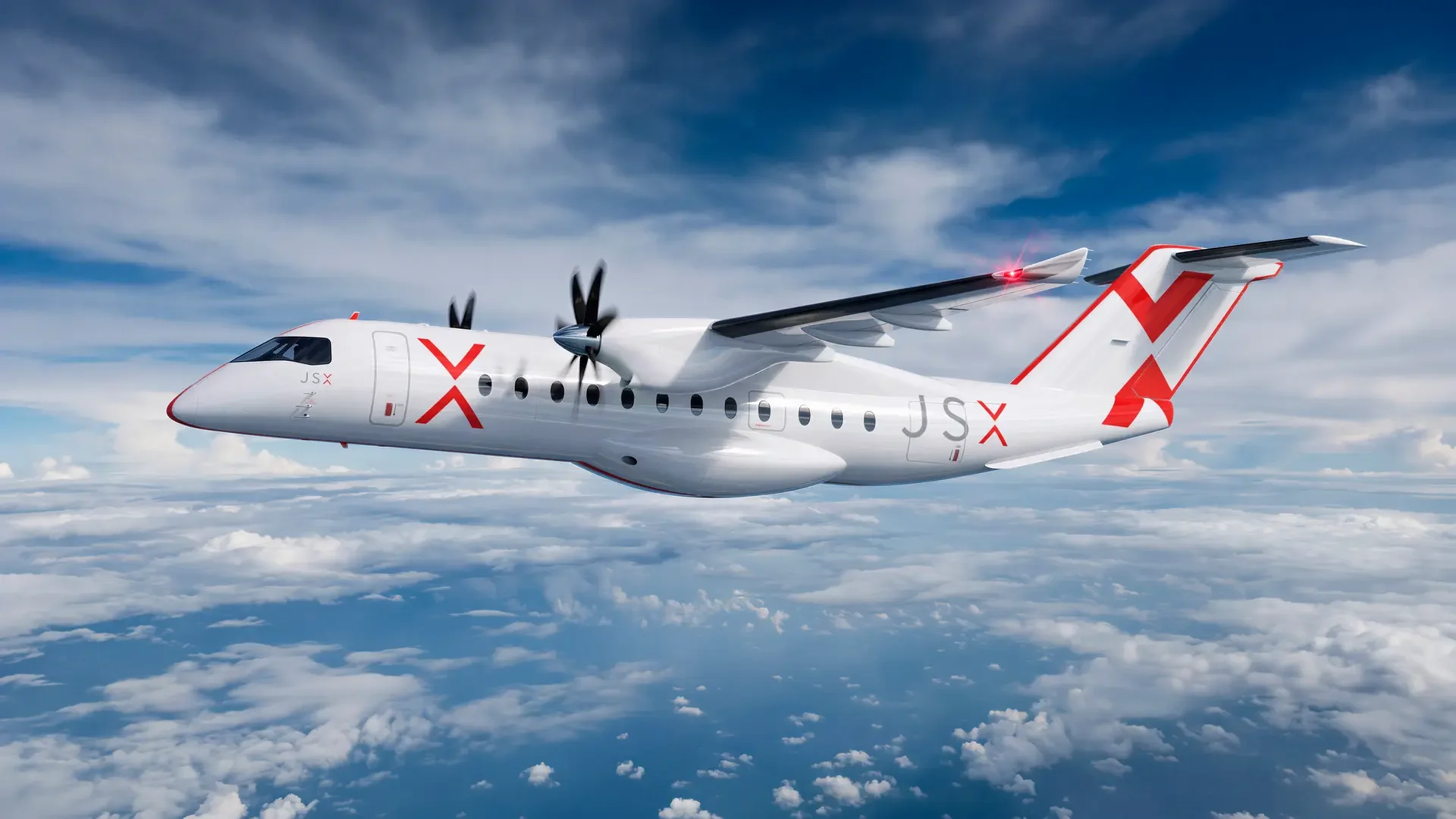
Credit: Heart Aerospace
Heart Aerospace's Vision for 2031
Heart Aerospace has made strides with its latest aircraft design, the ES-36, which incorporates key improvements over previous concepts like the ES-30. The expected capabilities include a new twin-propeller configuration powered by electric motors paired with fuel-burning generators for longer journeys. The timeline for the pre-production aircraft's first test flight in 2028 is ambitious, reflecting Heart’s commitment to shifting the industry towards sustainable practices.
However, the actualization of the ES-36 faces regulatory constraints that could limit JSX's operational capabilities. Current Part 135 regulations restrict operators to a seating configuration of 30 passengers or fewer, which raises questions about JSX's ability to fully comply with existing rules while utilizing larger aircraft. The two companies are set to collaborate on revising the cabin configuration to overcome these hurdles.
A Continued Commitment to Hybrid Technology
This recent deal marks a transition from JSX's previous intentions to acquire other hybrid-electric models, firmly replacing its earlier order for 50 ES-30 aircraft. JSX has shown a consistent commitment to electric aviation, reflected in its extensive history of aircraft orders. The table below outlines JSX’s previous commitments to hybrid and electric aircraft, underscoring a trend towards sustainable air travel:
| Year | Aircraft | Commitment | ||
|---|---|---|---|---|
| 2018 | Zunum hybrid-electric aircraft | Up to 100, with early expectations for delivery in 2022. | ||
| 2021 | Craft Aerospace (now Odys Aviation) | Initial interest in 200 aircraft. | ||
| 2023 | Electra (9 seats) | 32 aircraft plus 50 options. | ||
| 2023 | Aura Aero ERA (19 seats) | 50 aircraft plus 100 options. | ||
| 2023 | Heart ES-30 (30 seats) | 50 aircraft plus 50 options, totaling up to 100. |
The continuity in JSX's betting on hybrid tech points towards an understanding of the aviation market's future demands. Notably, this recent commitment of 100 aircraft isn’t an addition to earlier orders but rather an evolution of their strategic objectives.
Challenges and Opportunities in Current Regulations
The ongoing battle around regulations affecting JSX reflects broader tensions within the aviation industry. Allegations have emerged that major carriers like American Airlines and Southwest Airlines, along with the Air Line Pilots Association, have sought modifications to existing charter regulations that could undermine JSX's business model. If successful, such changes might stifle innovation in electric aircraft development, which depends heavily on robust demand from operators like JSX.
Both existing and aspirational aircraft manufacturers need a user base willing to operate smaller planes profitably on short-haul routes. The ability to craft an economic model around smaller aircraft becomes paramount, especially as operational costs, fuel efficiency, and maintenance spend become more critical in the wake of increasing environmental regulations.
JSX’s model merges the advantages of Part 135 operations with public charter rules, allowing it to maximize revenue potential while maintaining accessibility. By offering individual seat sales at smaller airports, JSX targets a niche market that larger airlines often overlook. However, as the regulatory landscape evolves, balancing cost and compliance will remain a persistent challenge.
Future decision-makers will have choices to make that could shape the landscape for electric aircraft development. Should the climate impact of aviation remain a priority for policymakers, partnerships like the one between JSX and Heart could become fundamental in realizing a greener aviation sector. As we move closer to the 2028 election, these dynamics will certainly play a critical role in shaping aviation policy.
In a rapidly evolving industry where environmental concerns intertwine with market viability, JSX's ongoing push for electric aircraft might well signal a significant shift. If the political winds change in favor of sustainable aviation as part of a broader climate agenda, JSX could emerge not only as a leader in this nexus but also as a pivotal player in transforming regional travel.

Discussion
Sign in to join the discussion.