Southwest Airlines has shifted from its once-unique model to mimic traditional carriers, leading to a diminished competitive edge and customer loyalty.
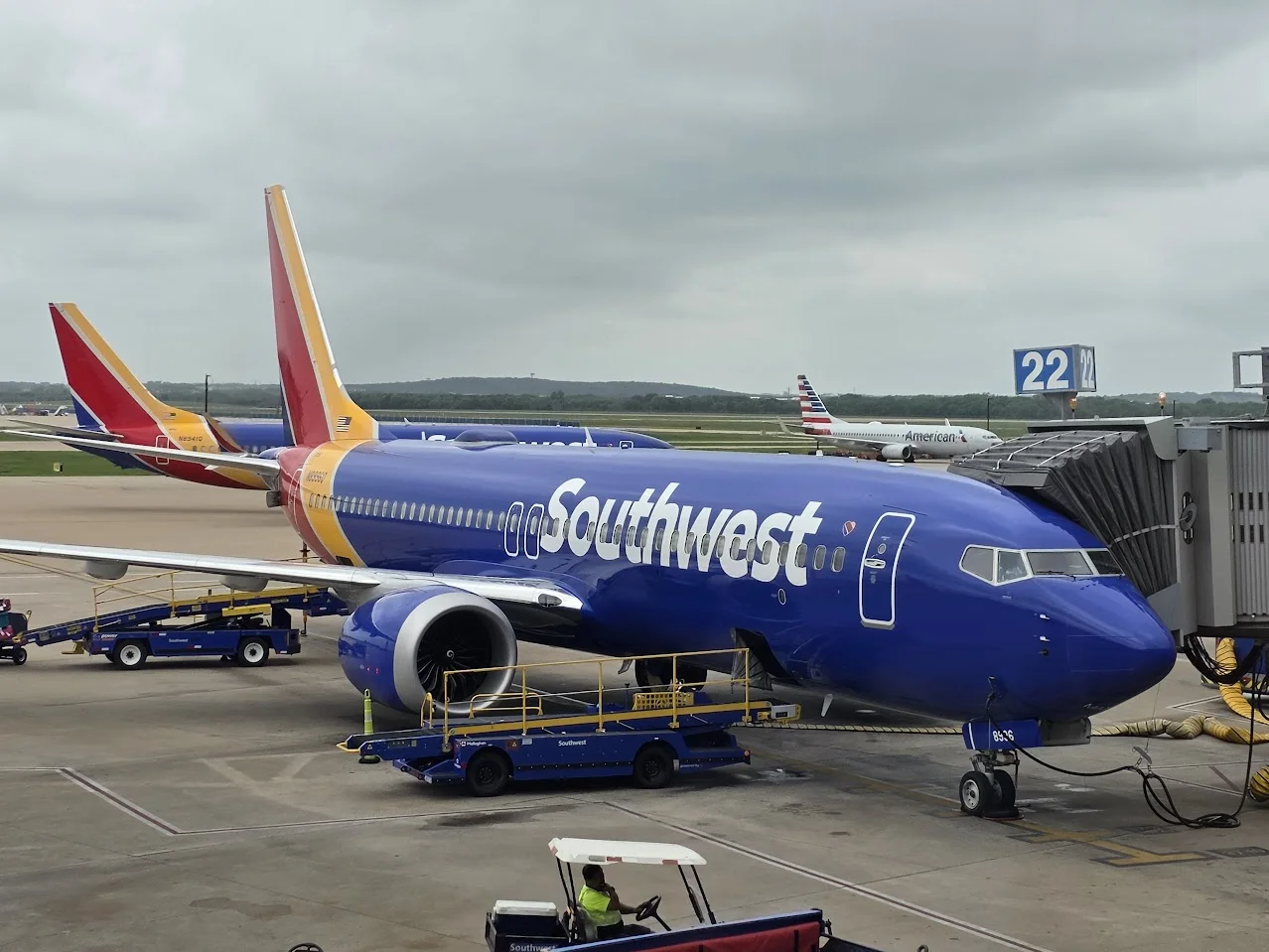
Southwest Airlines has undergone a notable transformation away from its once-revered, consumer-friendly model. While many fans of the carrier mourn this shift, it’s clear that the company had little choice but to adapt. The decisions driving this change stem not only from market pressures but also from the influence of activist investors seeking to reshape its trajectory.
What’s striking is the cumulative nature of these changes. Initiatives such as partnerships with online travel agencies, the introduction of basic economy fares, fees for checked bags, and the abandonment of open seating reveal a broader evolution dictated by industry demands. Each decision seems reactionary, a necessary step as Southwest grapples with scaling challenges. In other words, they didn’t just want to change but felt compelled to in an increasingly competitive arena.
Scaling Challenges Facing Southwest's Old Model
The very elements that once fortified Southwest’s distinct identity are now constraining its growth. Historically, Southwest excelled by managing customer relations directly, offering a bundled fare structure that included two free checked bags, and implementing open seating—practices that built brand loyalty and streamlined operations. These features allowed Southwest to present itself as an alternative to traditional carriers while justifying higher prices compared to ultra-low-cost competitors.
However, the operational dynamics have shifted dramatically. Rising labor costs and a saturated market began to erode the effectiveness of its original business model. Investing in new routes proved challenging, especially when Southwest's visibility was limited in smaller markets. Lacking regional jets to serve smaller cities or partnerships to expand its network exacerbated this issue. Simply put, they had pushed the limits of their business framework under the pressures of modern air travel.
Revisiting Distribution Strategies
Historically, Southwest abstained from engaging with online travel agencies, opting to save costs while counting on its strong presence in key metro areas. But this model backfired as the airline realized many potential customers in smaller markets were unaware of their offerings. In response, they integrated with platforms like Expedia and Google Flights, albeit at the cost of reduced visibility and price comparison effectiveness.
Their decision to join Google Flights in May 2024 and partner with Expedia in early 2025 was crucial; it offered access to wider audiences. Nevertheless, it came with pitfalls. The basic economy fare structure rivaled their own bundled offerings, leading to a perception of cheaper competitors that didn’t always translate to lower overall costs once add-ons were included. Ironically, the need to conform to widespread distribution practices led to a diluted fare structure—one that didn’t always reflect the value Southwest aimed to represent.
Shifting Consumer Expectations
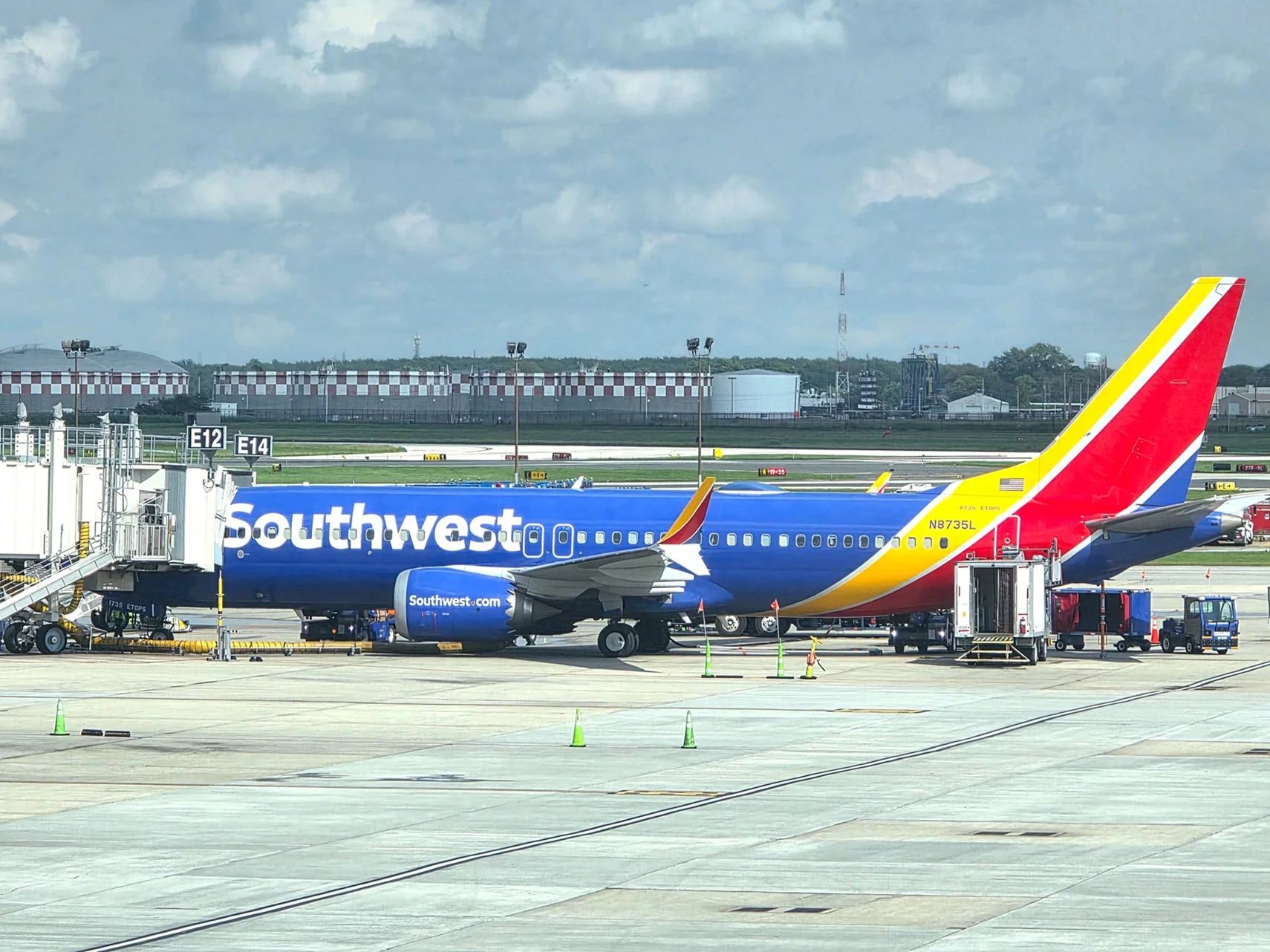
Recent trends indicate a growing willingness among passengers to pay for enhanced flying experiences—a shift that had been underway long before the pandemic. Southwest found itself catering to an affluent demographic that was seemingly ignored. Without upgraded options, these passengers either opted to save their money or choose other airlines. The introduction of extra legroom and special seating necessitated a move toward assigned seating, effectively killing the open seating concept that had long been synonymous with the brand.
The Pressures of Conformity
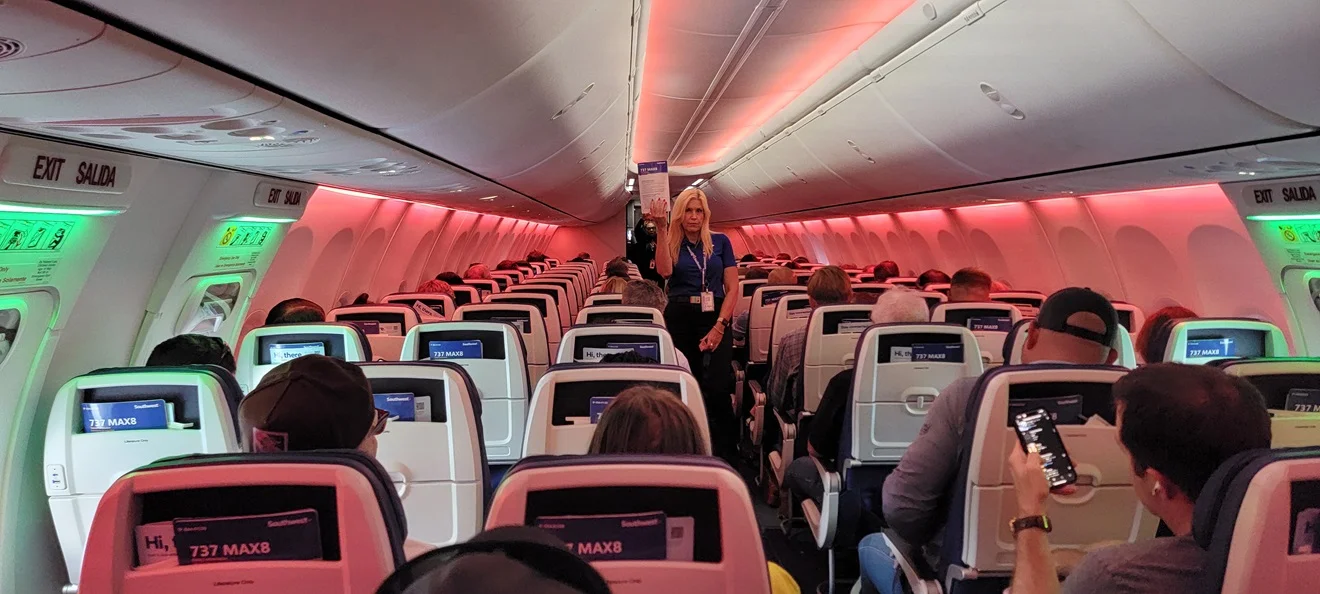
In abandoning its unique selling propositions, Southwest now competes primarily on grounds it once sought to distance itself from. Gone are free bags and open seating as key differentiators; in their place are expectations of first-class service and amenities comparable to legacy airlines. Amid significant investment into technology advancements, lounges, and luxury seating options, Southwest now finds itself behind its competitors where it once led.
Changes in customer desires and market dynamics mean that airlines like Frontier and JetBlue are upgrading services to capture passengers willing to spend more. Meanwhile, Southwest, which carved its niche in simplicity and affordability, now lacks a compelling justification for its existence in this transformed marketplace.
Concluding Thoughts: The New Southwest
So, what does this all mean for Southwest? The airline faces the dual challenge of reinvention under pressure while striving to maintain what once made it a favorite among travelers. While recent revenue boosts are encouraging, they’re unlikely to replicate the soaring success of its past. Southwest can no longer rely solely on nostalgia and loyalty; they need to embrace a new identity that resonates in a crowded marketplace.
While the push for agility and responsiveness is evident, Southwest's journey appears to be one marked by necessary adaptations rather than a return to grace. The future remains uncertain, and the path forward hinges not just on overcoming past mistakes but on innovating in ways that align with evolving customer expectations and industry standards.

Discussion
Sign in to join the discussion.