The Deterioration of Airline Business Class: How Unbundling Amenities Hurts Premium Travel
Published Sep 26, 2026Reads 853By Gary Leff
Airlines are unbundling business class amenities, diminishing the value of premium tickets and risking long-term brand damage.
Unpacking the Troubling Shift in Airline Business Class
The current approach by airlines to unbundle luxury features, such as lounge access from premium ticketing, might seem economically sound on the surface. But let’s be honest: it’s a misstep driven by misguided revenue strategies. Consultant Oliver Ranson convincingly posits that this shift won’t significantly boost income for airlines while simultaneously introducing a host of new challenges. He’s spot on, and the ramifications reach far beyond just lounge access.
Major carriers, including those in the U.S., Europe, and the Middle East, have begun to dilute the quality of their business class offerings through the introduction of what they call **Basic Business Class** fares. This model seeks to replicate the downgrade we’ve seen in the economy class by forcing passengers to settle for a stripped-down travel experience, even if they’re still laying out thousands for a premium ticket. Making the experience worse for paying customers—especially those who are already forking out significant amounts—is a risky gamble that could lead to long-term brand damage.
Air France and KLM have taken early steps with their Business Light tickets, which eliminate lounge access altogether. This isn’t just a tweak; it’s an outright stripping away of valuable amenities that passengers expect when they invest in business class. Starting September 8, 2023, even frequent flyers redeeming miles for a New York to Paris journey will lose check-in privileges and baggage allowances unless they shell out more miles for the standard award option. This is a stark example of how airlines are not making business travel more accessible; they’re merely yanking benefits away while demanding higher stakes, effectively pricing passengers out of what should be a premium experience.
Challenges in Premium Seating and Pricing
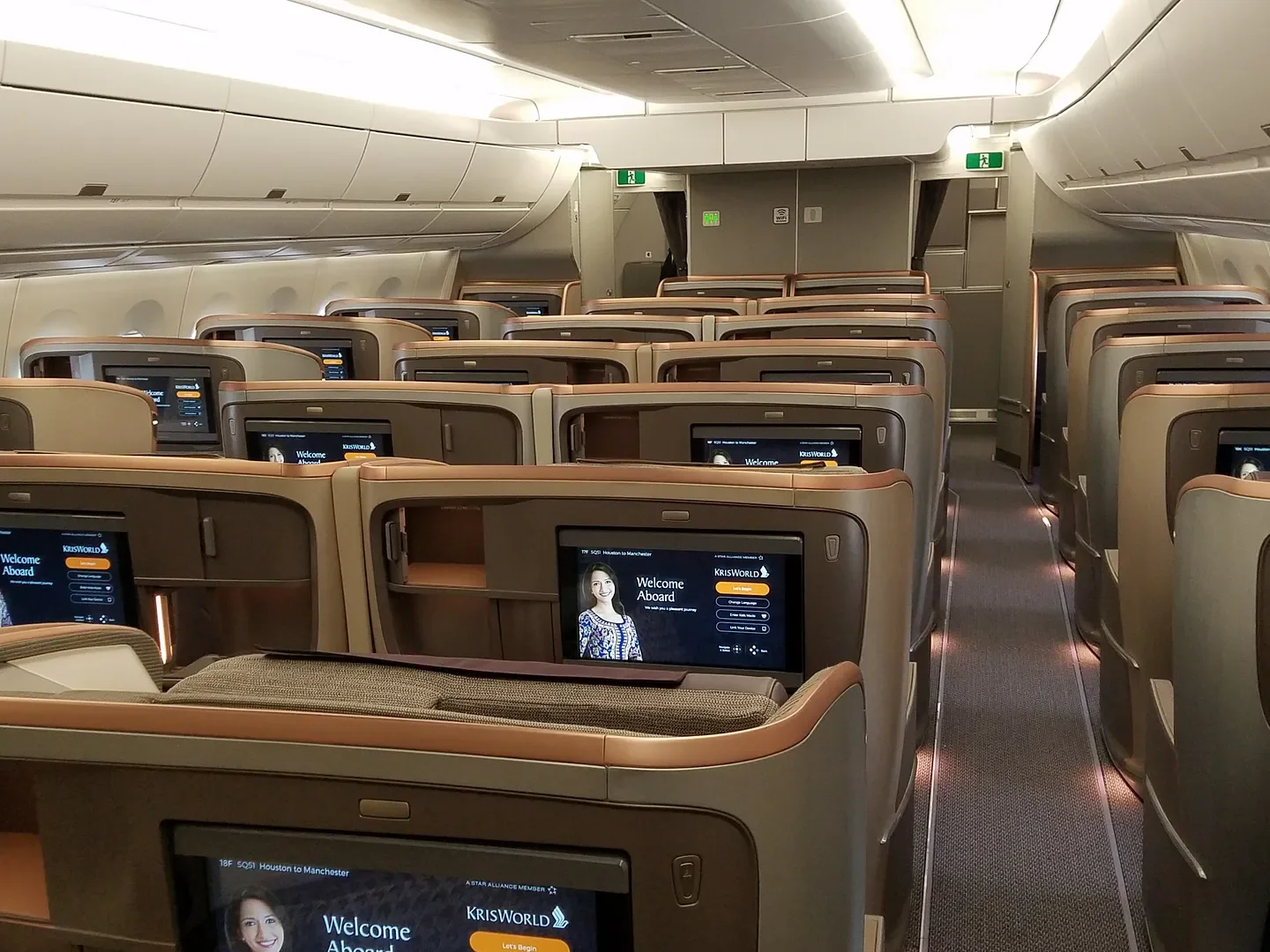
Airlines are continually upgrading their business class frameworks to attract high-paying customers, yet they face a paradox. An empty flat-bed seat is a missed opportunity; it can’t be resold once the aircraft has departed. The pressuring reality is that airlines need to lower prices close to departure to fill these seats, but they hesitate to offer those discounts to customers willing to pay top dollar. This isn’t a customer issue; it’s a revenue management predicament. Their headlines touting “affordable premium fares” are misleading and don’t reflect the actual context.
For instance, Delta’s Basic Business Class fares at $2,689 and Classic fares at $2,889 demonstrate only a meager 7% difference. Similarly, basic economy might have justified its existence through price matching with low-cost carriers, but business class lacks a comparable budget alternative. The implications are clear: there’s a demand for premium experiences even among price-sensitive travelers, and the slight reductions in fare do little to win over new customers. Airlines are merely pushing existing products further up the pricing ladder rather than genuinely lowering entry barriers.
The Shortcomings of Unbundling Amenities
Ranson outlines some critical flaws in the unbundling strategy, emphasizing that when lounges become charged features, they set a tangible market value on something that previously lacked one. Suddenly, when a lounge is closed or overcrowded, customers have a benchmark for compensation that could lead to dissatisfaction if it isn’t met. Pair this with the fact that removing lounge access can inadvertently dissuade the very customers airlines are attempting to attract—business travelers with tight schedules who may not even have time to utilize the lounge.
Moreover, if the lounge is lackluster, separating access creates a situation where passengers start questioning its value. A pristine lounge should enhance the entire travel package, but unbundling makes it clear that not all lounges provide the experience that justifies their cost.
Interestingly, Ranson touts baggage fees as a positive trend, which seems somewhat counterintuitive given their inherent costs. But when analyzing how much value passengers assign to bag checks, it becomes apparent that many business travelers are more concerned with the flight itself.
What Airlines Should Consider Moving Forward
The solution doesn’t lie in unbundling essential services or treating every upscale passenger the same. Instead, airlines need to maintain features that add value without alienating their most lucrative customers. Retaining flexibility as a differentiator, creatively employing close-in upgrades, and developing specialized packages for travelers can help achieve this balance.
Most importantly, if an airline struggles to fill its premium seats consistently, it might be time to reevaluate their market strategy and seat configurations rather than merely modifying the fare structure. Basic business strategies, as currently conceived, risk entrenching the wrong behaviors among consumers—teaching them to expect less for more, and that could be the biggest danger of all.
As airlines experiment with their offerings, they should take heed of the broader lessons around customer perception and experience. It’s not just about the bottom line; it’s about cultivating loyalty in a space that thrives on high-value relationships.
Looking Ahead: The Future of Travel in a Shifting Landscape
As we close this discussion, it’s essential to reflect on the direction the airline industry is headed. With airlines increasingly eyeing business class as a significant revenue stream, the competition is fierce, and innovation has become a necessity rather than a luxury. Major players like Delta Air Lines and United Airlines are continually evolving their services, but they face challenges from agile entrants like Zipair Tokyo, which are redefining passenger experiences.
What should you take away from this dynamic? For industry professionals, it’s clear that one strategy won’t fit all. The data suggests that premium offerings are not just a response to demand but a proactive measure against the backdrop of fluctuating traveler preferences. Travelers today are not only looking for comfort but also value and unique experiences. If you work in this space, understanding your audience is more critical than ever.
Thus, airlines that can adapt to changing customer needs while managing the complexities of pricing strategies will likely gain the upper hand. The current landscape hints at a possible era where personalization will reign supreme, potentially leading to enhanced loyalty programs and tailored services.
That said, there's unpredictability lurking around the corner. Economic pressures and evolving regulations could shift priorities overnight. Airlines must stay agile and insightful to weather these uncertainties while continuing to innovate.
As we move forward, the focus on customer satisfaction alongside operational efficiency will define the winners in this competitive field. Those who can strike the right balance will not only endure but thrive, leaving behind stagnant practices that no longer serve a modern traveler’s needs.
For now, keep your eyes peeled—this is a story that's just beginning, and the unfolding chapters promise to be compelling.

Discussion
Sign in to join the discussion.