American and United Airlines may face weight issues with their A321XLRs due to high premium seating ratios, potentially impacting operational strategies.
Premium Configuration Poses Weight Challenges
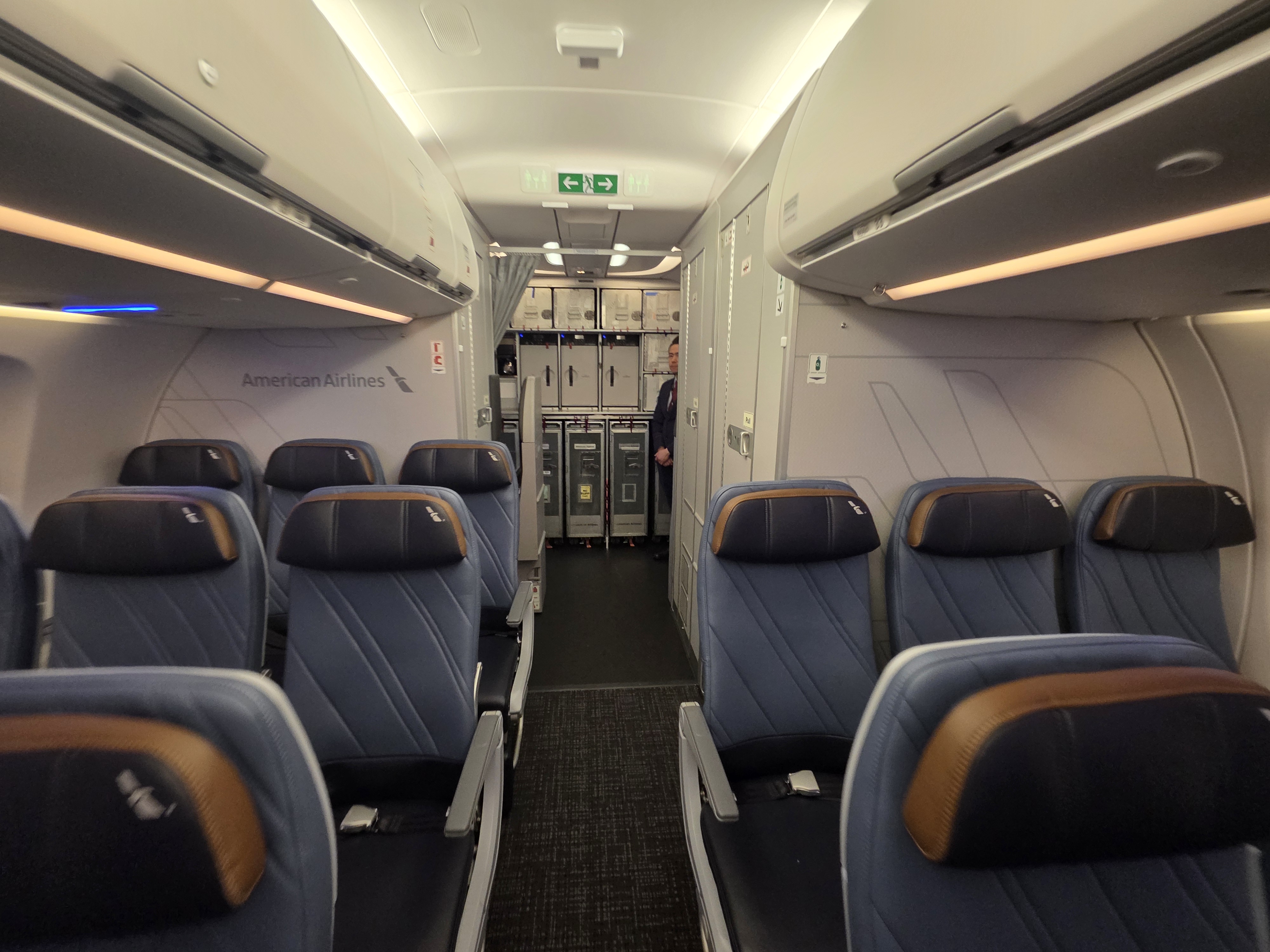
American Airlines and United Airlines' Airbus A321XLRs are designed for long-haul markets, but they face a unique hurdle: the ratio of premium to economy seating might necessitate adding ballast for balance. With fewer coach seats sold, some routes may find themselves carrying extra weight to maintain stability. This problem isn't just a logistical challenge; it's a financial one. Airlines operate on tight margins, and every additional pound of weight can translate into higher fuel costs, affecting the overall profitability of flights. Airlines are always looking for ways to optimize their operations, but in this case, they're confronted with a hard truth: striving for luxury can create unexpected complications.
Iberia's Strategy and Potential Implications
A report reveals that Iberia has begun loading ballast in the rear of their A321XLRs during lightly booked flights and has even shifted business class passengers to economy to ensure proper weight distribution. This adaptive strategy highlights the pragmatic approaches airlines are forced to take in response to operational challenges. Given that American and United have opted for more premium seating and fewer economy options on their A321XLRs, they may encounter similar problems. The shift isn’t just logistical; it’s indicative of a broader trend where airlines are grappling with how to balance service quality and financial sustainability.
- Iberia's A321XLR features 182 seats: 14 in business class and 168 in economy.
- American's configuration includes 155 seats: 20 business suites, 12 in premium economy, and 123 in coach.
- United's aircraft is designed with 150 seats: 20 in Polaris business class, 12 in premium economy, and 118 in economy, including extra legroom options.
These configurations bear examining. While Iberia finds a way to adapt to lighter loads, American and United could risk being caught in a balancing act that hampers efficiency. Market pressures will only complicate how they price tickets, especially for flights that may not fully book.
Understanding Weight Distribution
A key consideration with the A321XLR is that a plane can be well under its weight limit while still experiencing front-to-back imbalance. The heavy premium cabins can skew this balance, especially if those seats fill up while economy remains empty. This phenomenon can drastically affect operational stability and passenger safety if not managed correctly. Enilria speculates on the aircraft's fuel consumption pattern, suggesting that as fuel is burned from the rear center tank, the center of gravity shifts forward, possibly complicating landing scenarios. Imagine an aircraft landing with a potential imbalance; it isn't just a matter of comfort but one of safety. The ramifications can lead to serious operational adjustments throughout an airline's logistics chain.
Strategic Considerations for Airlines
The placement of a rear snack bar on United's aircraft adds another layer to this balance discussion. While it's intended to enhance passenger experience, its utility in weight distribution is less clear, particularly since the A321neo Coastliner also features such a setup without the rear-center tank present in the XLR. The decision to include amenities has to be carefully weighed against the practical realities of aircraft operation. This isn't merely about maximizing passenger comfort; it’s about optimizing every square inch of space and weight to ensure safety and financial viabilty.
Weighing the Options
Adding ballast to compensate for insufficient passenger weight introduces additional complexity and fuel costs, as this material takes up valuable hold space. The problem isn't just the weight itself—it's how these decisions ripple through an airline's operational framework. While repositioning passengers and baggage could be a more effective strategy, the implications for revenue generation are significant and demand careful thought. Offering deeply discounted economy seats to entice purchases might undermine fare strategies, potentially deterring passengers from opting for premium tickets. The balancing act becomes a high-stakes game where customer satisfaction and revenue can't afford to be at odds.
Future Implications for Revenue Management
The balance of weight may not fundamentally shift revenue management practices, but it raises pertinent questions about how airlines will price tickets on A321XLRs with mixed seating arrangements. If you're working in this space, consider how these dynamics can shape ticket pricing and availability. Addressing flight capacity without compromising premium earnings will be essential for American and United as they adapt their strategies in an unforgiving marketplace. In some ways, this situation reveals the paradox of modern air travel: even as airlines chase luxury and enhance passenger experience, they must grapple with the practical realities that ultimately affect the bottom line.
Looking Ahead: Implications for Airline Operations
This situation isn’t just a minor obstacle; it’s a telling indication of the ongoing tension between service improvement and operational efficiency. Airlines must navigate these complexities while managing customer expectations and financial health. As competition intensifies and economic conditions fluctuate, the decisions made now will significantly impact their long-term strategies. Will airlines find new, more effective ways to balance luxury and practicality? Or will the challenges of weight distribution end up as a cautionary tale for future configurations? There’s no clear answer, but what’s certain is that the airlines’ approach to these issues will influence their success in the years to come.

Discussion
Sign in to join the discussion.