A deep dive into the ongoing annual costs of airline subsidies, questioning their effectiveness and necessity in a rapidly evolving transportation landscape.
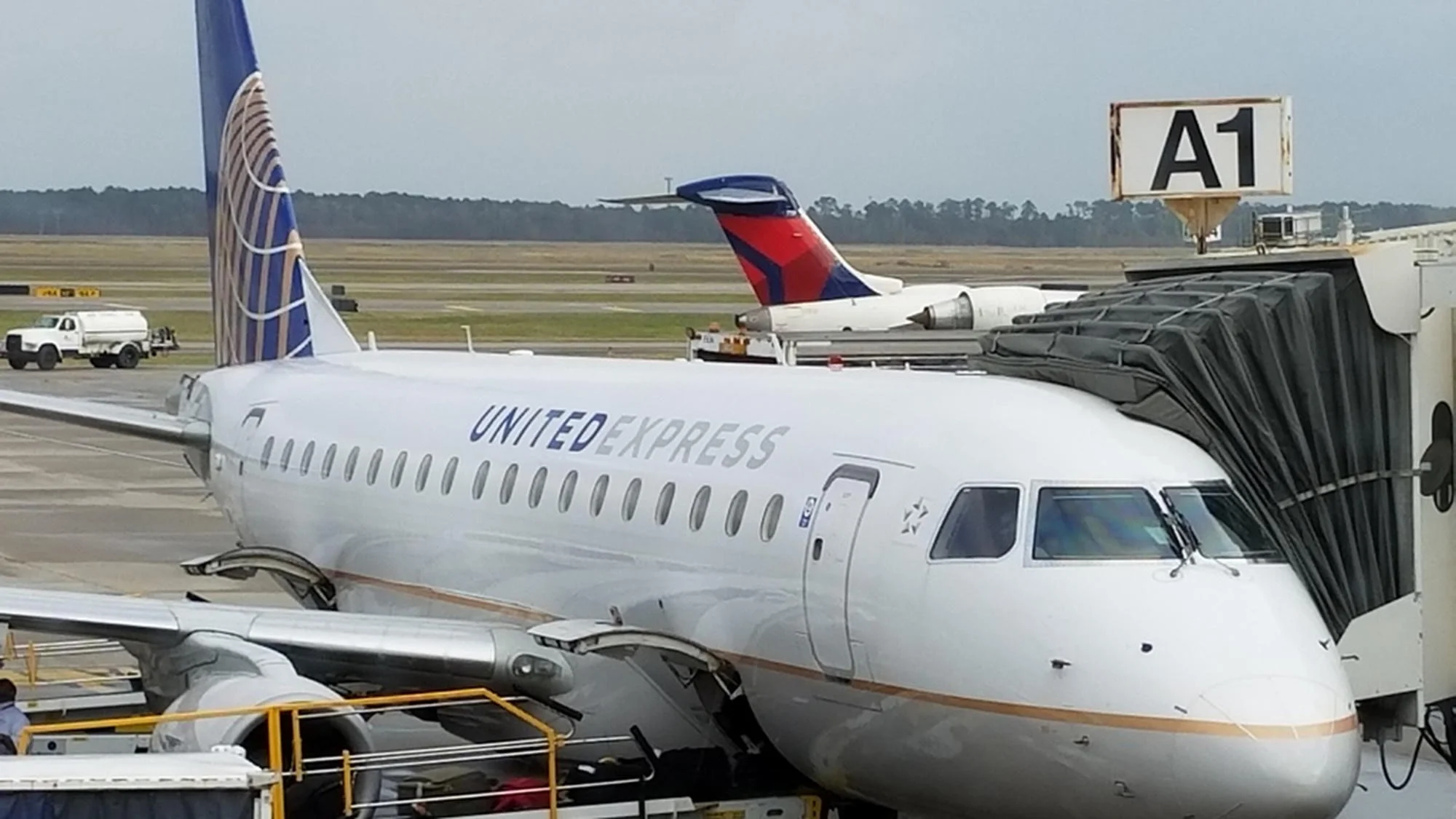
Pueblo, Colorado, has announced the reinstatement of its 6 a.m. flight to Denver, a route that receives a hefty annual subsidy of $6.84 million. This decision comes despite predictions from the winning airline, Denver Air Connection, that it will only fill 22% of its available seats. Given that Colorado Springs is a mere 45-minute drive away, the practicality of flying to Denver—an option that requires additional travel time—is questionable.
Scheduled to commence on November 1, the new flights will offer a morning departure and a late-night return from Denver, taking about 50 minutes. With ticket prices starting at $97, the subsidy funds 12 weekly round trips. However, one must wonder if air travel truly provides a significant advantage over driving, considering the added time for check-in and transit to the final destination in Denver.
While the intent of these flights is to connect passengers to Denver's extensive flight options, Colorado Springs already offers plenty of direct routes to major cities such as Dallas-Fort Worth and Chicago. Notably, Colorado Springs is closer to Pueblo than many parts of the Denver metropolitan area, further complicating the justification for this new service.
Data provided by the Department of Transportation (DOT) indicates that this subsidy equates to a staggering $470 per passenger trip in its first year, reflecting a broader issue with airline subsidies. These figures reveal a load factor of only 22%, signifying that 78% of seats will go unfilled. With an estimated 62,400 annual seats projected, the bid forecasts around 13,728 passenger trips—about 11 passengers per flight.
The Data Behind Airline Subsidies
The current annual subsidy for this flight route exemplifies a trend where federal financial support continues to grow, even with declining passenger uptake. The DOT's budget for Essential Air Service (EAS) is projected at $680 million for fiscal 2026, including $513.6 million allocated directly to air carriers and $166.6 million coming from net overflight fees. Spending has dramatically increased from its initial budget of $68.9 million in 1979, which had a planned tapering, but here we are nearly 50 years later and the costs are soaring.
Laws passed in previous years, including the 2024 FAA reauthorization, further enabled these subsidies to thrive. The legislation not only authorized a higher subsidy limit of $650 per passenger within 175 miles of a hub but also removed previous restrictions that kept funding in check. Communities thus enjoy increased eligibility for federal support, even when situated close to well-serviced airports.
Examining the Implications of EAS
The ongoing subsidies underscore a phenomenon often described as “rent-seeking,” where the benefits are concentrated among a few—airlines, local businesses, and airport authorities—while the financial burden is dispersed across the broader population. Members of Congress have strong incentives to secure these funds for their constituents, as the cost to the individual taxpayer remains relatively low. It raises ethical questions about equitable funding distribution: why should travelers in Pueblo benefit from national-level support when a direct road connection exists to a nearby airport?
Through bipartisan efforts, representatives from both sides of the aisle have lauded the appropriated funds, often emphasizing the importance of maintaining air service for rural and underserved areas. However, as can be seen from examples around the nation, including highly subsidized services in locations with nearby airports, this rationale becomes tenuous. Places like Lancaster, Pennsylvania, and Owensboro, Kentucky, which receive millions in taxpayer support despite proximity to larger airports, illustrate the inconsistencies plaguing the program.
Looking Ahead at Airline Subsidy Practices
The EAS program was initially conceived as a temporary solution under the Airline Deregulation Act of 1978. Originally intended to last just ten years, this program has extended nearly five decades, with no end in sight. The context in which this subsidy model operates has changed significantly, and it is worth questioning whether it continues to serve its intended purpose of providing a necessary transportation lifeline or if it simply perpetuates inefficiencies.
As communities and lawmakers push for further extensions and increases in these subsidies, it poses an urgent question: what constitutes a viable transportation option in today’s environment? Should financial support be granted when alternatives, such as driving, are readily accessible and efficient? Moving forward, a reevaluation of such programs is not only prudent but necessary—for both fiscal responsibility and improved transportation accessibility. The case for subsidies in areas with existing transportation infrastructure merits serious reconsideration, particularly in light of rising costs and the environmental impact associated with increased flying.
Ultimately, the continuing saga of airline subsidies paints a complex picture that calls for careful analysis of both their efficacy and equity within a modern transportation framework.

Discussion
Sign in to join the discussion.