A Flydubai flight from Dubai to Tel Aviv faced a shocking incident when a pilot attacked a co-pilot, leading to passenger intervention and emergency landing.
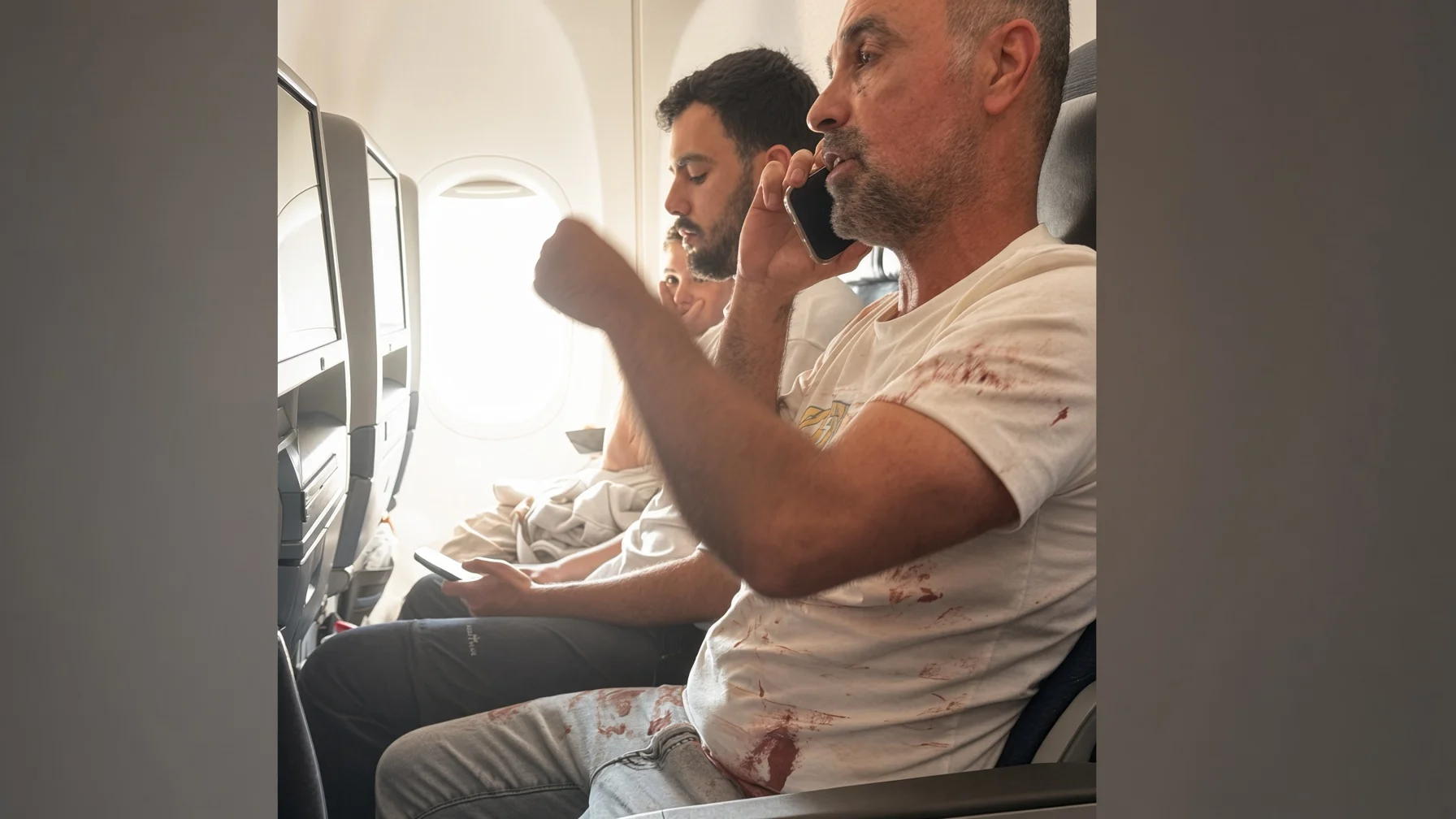
A recent Flydubai flight en route from Dubai to Tel Aviv experienced a crisis mid-air when a co-pilot allegedly assaulted the aircraft's captain, resulting in a dramatic plunge of the Boeing 737 MAX. Thanks to the swift action of passengers and an emergency crew, the flight was able to divert safely to Tabuk, Saudi Arabia, ensuring that everyone onboard survived the tense situation.
Israeli authorities are treating the event as a potential act of terror, speculating on motives that range from attempted hijacking to a more sinister intention involving a murder-suicide. The confirmed details indicate that the aircraft, identified as A6-FKF, was cruising at 34,000 feet when the situation escalated shortly after entering Jordanian airspace.
Passenger Heroics Amidst Crisis
Witness accounts provide insight into the panic and chaos within the cabin. A passenger who spoke to the Jerusalem Post described the harrowing moment when one pilot attempted to force the other out of the cockpit, igniting shouts and panic among passengers. As the aircraft began to descend dangerously, several courageous individuals rushed to the front and managed to subdue the attacker, with one leading a charge to protect the cockpit. These actions highlight the unpredictable nature of in-flight emergencies and the heroism that can arise in such moments.
Remarkably, there were two additional pilots on board at the time, and they immediately supported the response. Their presence facilitated a swift transfer of command, which was crucial once the aggressor was detained. There were even reports of a passenger, an Israeli dentist, diligently assisting the injured captain until emergency services could intervene. This incident reflects not just the unpredictable nature of air travel but also the pivotal role passengers can play in averting disaster.
“While flying at great heights, we experienced a sudden drop due to an attack on the crew. Thankfully, other passengers reacted quickly." — Eyewitness account
Emergency Codes and Descent Mechanics
The flight's descent was marked by alarming fluctuations in altitude, with the aircraft's systems sending out emergency signals. Among these were a 7700 general emergency code and a 7500 code typically associated with hijacking scenarios. Such codes serve as standard distress signals in aviation, but their use during this incident underscored the severity of the flight's situation. The plane ultimately stabilized at around 15,000 feet after the chaotic drop, yet the technical details of the descent reveal vulnerabilities in cockpit security and emergency preparedness.
Once on the ground, both injured pilots were transported to a local hospital for treatment. The agility in response illustrated successful coordination between passengers and the emergency procedures followed by the cabin crew in the cockpit. This collective effort not only saved lives but also raises questions about how airlines prepare for potential acts of in-flight aggression and the inherent risks associated with long-haul flights.
Potential Aftermath for Flydubai
This incident has sparked quick reactions from authorities, particularly from Israeli Transportation Minister Miri Regev, who is now calling for a suspension of Flydubai's operations linking the Emirates and Israel. The complexities of pilot eligibility under current diplomatic constraints have come under scrutiny. Particularly challenging is the co-pilot's Omani nationality, raising questions about compliance with operating regulations in Israel and whether enough vetting took place before the flight. What this means for you, if you're working in this space, is a potential shift in how airlines assess crew backgrounds.
In response to the possible fallout, local Israeli airline El Al is mobilizing efforts to accommodate stranded travelers. They aim to facilitate their return amid understandable chaos as international flight schedules are reevaluated in light of the incident. The ripple effects are likely to reach beyond just Flydubai, impacting how airlines coordinate with authorities during crises.
This unsettling event has escalated discussions around cockpit security protocols and training for airline personnel. There's a growing recognition of the need for stringent measures to prevent in-flight violence. With all passengers confirmed safe, attention now turns to the broader implications of this incident and the ongoing investigation led by Israeli authorities. Considering these elements, it becomes evident that more checklists and training exercises could become standard practice in airlines geared towards ensuring the safety of flights against an unpredictable wave of threats.
Implications and Future Outlook
The long-term consequences of this incident may reshape not only how individual airlines operate but could also lead to industry-wide changes in operational protocols. Aviation experts point out that heightened scrutiny of cockpit access and more rigorous psychological evaluations of crew members might be on the horizon. Compliance checks and emergency training drills could see a surge in frequency as airlines strive to reestablish passenger confidence after such frightening events.
And this is the part most people overlook: accidents in aviation rarely come in isolation. It's often a collection of small failures—or in this case, a singular violent act—that leads to harrowing situations. The industry will need to address not just technical failures but the human factors that might lead to such breaches. As investigations continue, we can expect detailed examinations into crew behavior and fitness, especially in a geopolitical climate where tensions are high.
For further insights into the reactions and developments, including footage posted on social media platforms showcasing the aftermath onboard, more information is expected to emerge regarding safety protocols in air travel. As the story unfolds, the aviation community will be watching closely—ready to adapt and learn from this harrowing experience.

Discussion
Sign in to join the discussion.