Elon Musk's sharp response to Delta's rejection of Starlink wifi shines a light on potential risks tied to the airline's new partnership.
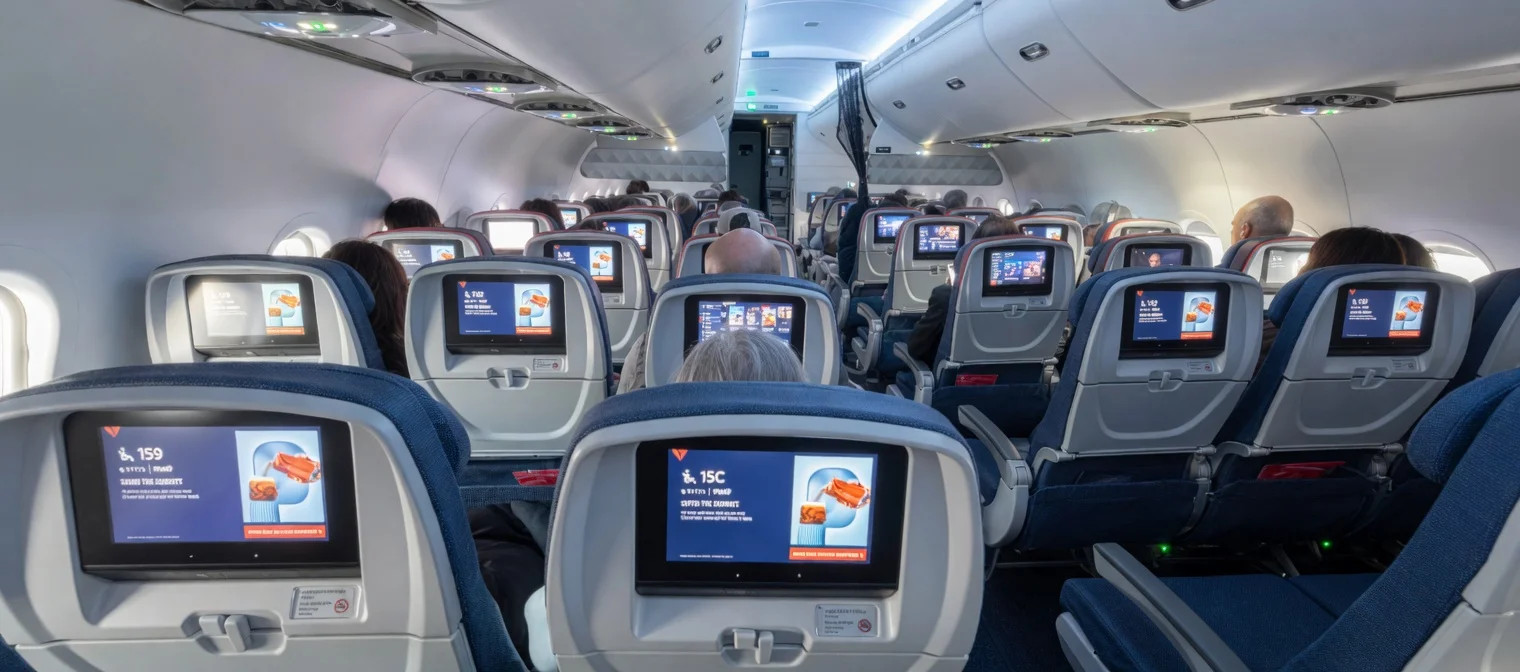
Delta Airlines and Starlink: A Controversial Decision
In a recent twist of events, Delta Airlines CEO Ed Bastian made headlines with remarks that indicated a clear preference against partnering with Elon Musk’s Starlink for in-flight Wi-Fi. Bastian reportedly stated, “We do not want to be with Elon Musk. Trust me,” during an earlier event, emphasizing that their choice was influenced by concerns about Musk's reputation.
“If you know his reputation, it’s all true what they say about him,” Bastian remarked, solidifying his stance against a partnership. This assertion reflects a broader trend among corporations that are increasingly cautious about associating with high-profile figures whose reputations may overshadow their business goals.
Project Kuiper: A Gamble on Amazon
Instead, Delta has opted to go with Amazon's forthcoming offering, Project Kuiper. This choice is intriguing, especially since it remains in preliminary stages and hasn’t even entered beta testing yet. While their partnership with Amazon aligns access to high-speed internet with content offerings from Amazon Studios and additional cloud services, one must question the viability of relying on an unproven product. Delta’s bank on Project Kuiper may offer appealing integration, but there's undeniable risk tied to its current lack of operational status.
This decision seems heavily financially motivated. Partnering with Amazon not only opens doors for enhanced internet services but also capitalizes on the synergies between Delta’s travel experience and Amazon's multimedia capabilities. By packaging the Wi-Fi service behind its own branded portal, Delta is seeking to enhance customer engagement through exclusive content, a move reportedly rejected by Starlink. This pivot hints at Delta's desire to create a seamless customer experience that ties in their digital and in-flight services.
He will lose his job over this
— Elon Musk (@elonmusk) September 30, 2026
Musk's Response: A Mix of Humor and Frustration
Musk's reaction was not just confined to disdain for the remarks made by Bastian; he further tweeted a humorous jab, saying, "Best way to sandbox an AI is to put it on a Delta flight – it will have no chance of accessing the Internet!" This commentary, while light-hearted, reveals deeper frustration regarding Delta's decision and serves as a reminder of how rivalries in the tech space can spill over into public forums, affecting brand perceptions.
The discourse surrounding Musk's claim that Bastian might "lose his job" sparked speculation about Musk potentially acquiring Delta to facilitate such a change. While this notion sounds far-fetched, it’s an indication of the shifting dynamics within the aviation and tech sectors. Musk’s wealth, reported at around $920 billion, isn’t the only factor to consider; it’s about influence and the ability to reshape industries. That said, the pressing discussion lies in the implications of Bastian's choices for Delta's market position.
A Risky Position: Delta’s Competitive Disadvantage
- Bastian's bet on Project Kuiper, which is not operational yet, places Delta several steps behind competitors like United and Southwest, who will have advanced technology ready to roll out soon. This gap is worrying, especially as connectivity expectations among travelers have shifted not only towards reliability but also towards speed and accessibility.
- By the time Delta launches its Amazon partnership, its rivals will already be delivering a superior in-flight internet experience. This delay could leave Delta struggling to attract tech-savvy customers who consider in-flight connectivity essential.
- The rollout plan includes equipping only about half of Delta's fleet to begin with, leaving the airline significantly lagging in the competitive sphere. Given that many airlines see this differentiation as central to their service, such a limited approach risks alienating potential customers.
Brand Implications and Customer Expectations
The stakes are high. Delta's decision to pass on Starlink, especially when other airlines have committed to offering its service, could jeopardize the airline's premium market positioning. If customers begin to perceive a gap in connectivity options, it could damage Delta's brand equity and profitability. In a field where customer experience increasingly defines market leadership, a failure to provide reliable and fast in-flight Wi-Fi may indeed prove detrimental to Bastian's career.
If you’re working in this space, you understand that connectivity isn’t just a luxury anymore—it's often a necessity for passengers on business travel who are keen on multitasking. With a market that heavily values this, Delta's current strategy runs the risk of alienating a significant segment of its customer base. Not providing adequate internet could lead to dissatisfaction, and it’s a slippery slope from there.
The Future Outlook: Consequences for Leadership?
This situation puts Bastian at a crossroads. If Delta loses its competitive advantage in in-flight connectivity, it could lead to a reevaluation of its strategic direction. After all, in today's airline industry, customer needs are paramount. If Delta can't meet those needs, they might soon find themselves with more than just a tarnished brand image—they could face serious shifts within executive leadership, especially if competitors leverage their technological advantages effectively.
How far will Delta go to rectify this? Will they revisit a potential partnership with Starlink, or stick by Project Kuiper, betting that Amazon's resources will pay off? This is a pivotal moment not just for Delta, but for the entire airline industry, as the speed of technological advancements continues to reshape customer expectations.

Discussion
Sign in to join the discussion.