Alaska Airlines' new points transfer feature with Bank of America adds complexity to its loyalty program, potentially affecting miles' value for frequent flyers.
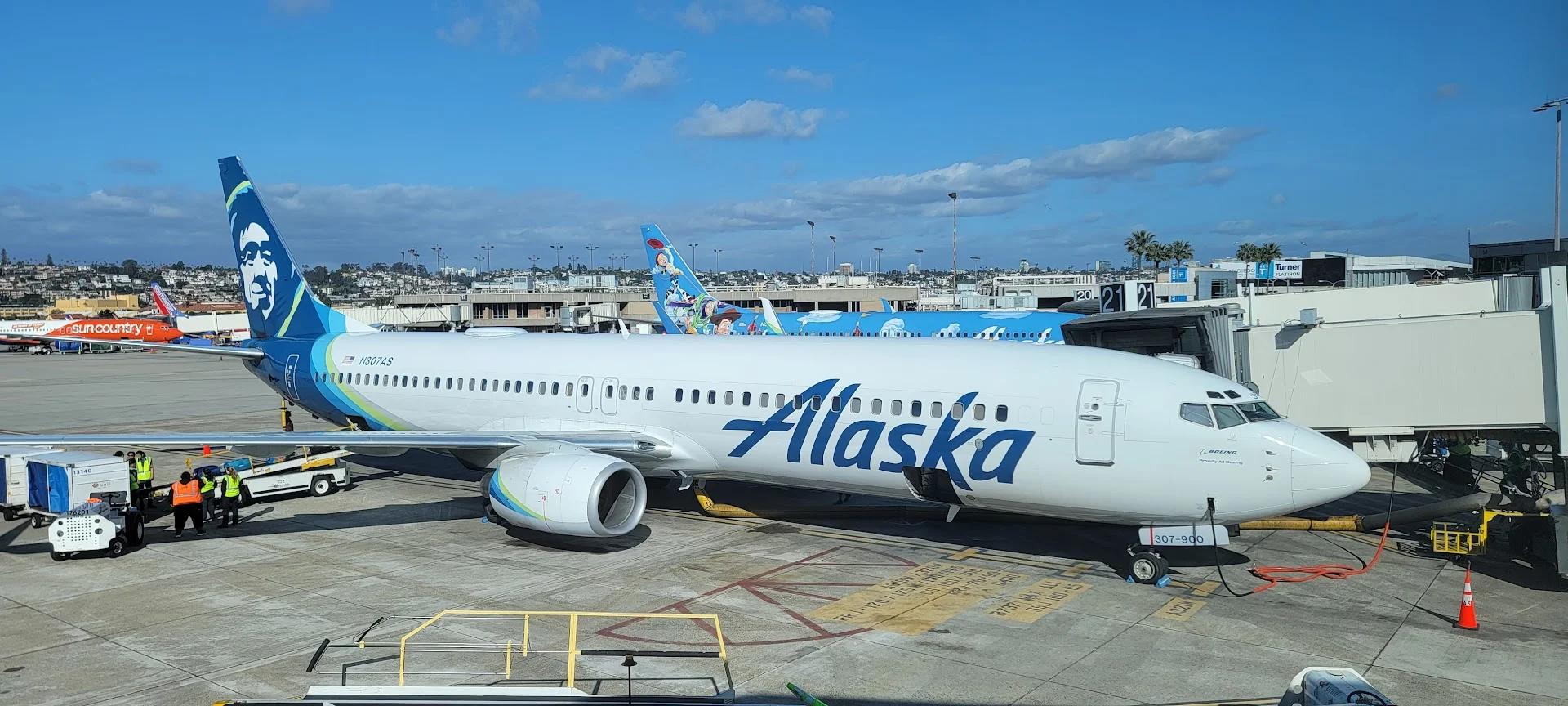
Alaska Airlines has stirred interest among frequent flyers with its latest loyalty program updates, particularly the announcement of points transfers from Bank of America. While the intention behind this expansion is clear, it raises questions about the potential impact on the value of existing Alaska miles.
Key Updates to Alaska Airlines’ Loyalty Program
The airline unveiled several significant changes that will take effect soon:
- Effective October 1, members can choose their earning method for miles: distance flown, fare paid, or segments traveled. Current members will default to earning based on distance, which aligns with traditional practices long favored by frequent flyers. However, new members joining after January 1, 2027, will begin with the fare-paid model, signaling a potential shift in how newcomers engage with the program. Members can alter their earning preferences once per calendar year. This change might not just be beneficial; it raises questions about its long-term implications for Alaska's loyalty ecosystem.
- Alaska is expanding its community focus, allowing members to select from six different communities featuring varying benefits, including free checked bags, exclusive flight deals, and other tailored perks. This approach aims to enhance member engagement by catering to specific demographics, which, if executed effectively, could foster stronger loyalty and retention.
- A refreshed Alaska small business credit card from Bank of America is on the horizon, promising improved rewards, including 10x points on certain purchases and lounge access. Small businesses, often underserved in the loyalty program arena, could be a lucrative market for Alaska.
- The introduction of a new mileage-earning debit card aims to tap into the loyalty market, following similar moves by other airlines and financial institutions. Alaska's entry into the debit card space suggests a broader strategy to capture varied spending patterns among its customer base, potentially enhancing its competitive footing.

Introducing Points Transfers and Potential Impacts
The standout component of Alaska Airlines' recent announcement involves the introduction of points transfers from Bank of America cardholders into the Atmos Rewards loyalty program. This marks the airline's effort to deepen its collaboration with Bank of America while expanding revenue streams through point sales. It's a strategic move that underscores how airlines are increasingly blending partnerships with financial institutions to enhance their loyalty offerings.
By 2027, eligible Bank of America customers will be able to transfer points into Atmos Rewards, enhancing access to the loyalty program. This could also pave the way for future collaborations with other international financial institutions, which may fundamentally alter Alaska's competitive stance in the crowded airline market.
Currently, Alaska's exclusive co-branding deal with Bank of America suggests that points transfers from competitors like American Express, Chase, or Capital One may be off the table. This exclusivity has both its advantages and limitations. While it could strengthen ties with Bank of America, it limits the appeal for customers who might have a broader range of credit card memberships and rewards programs. Notably, the Alaska Visa card already allows points earning for housing payments via Bilt, which operates as a separate rewards program.
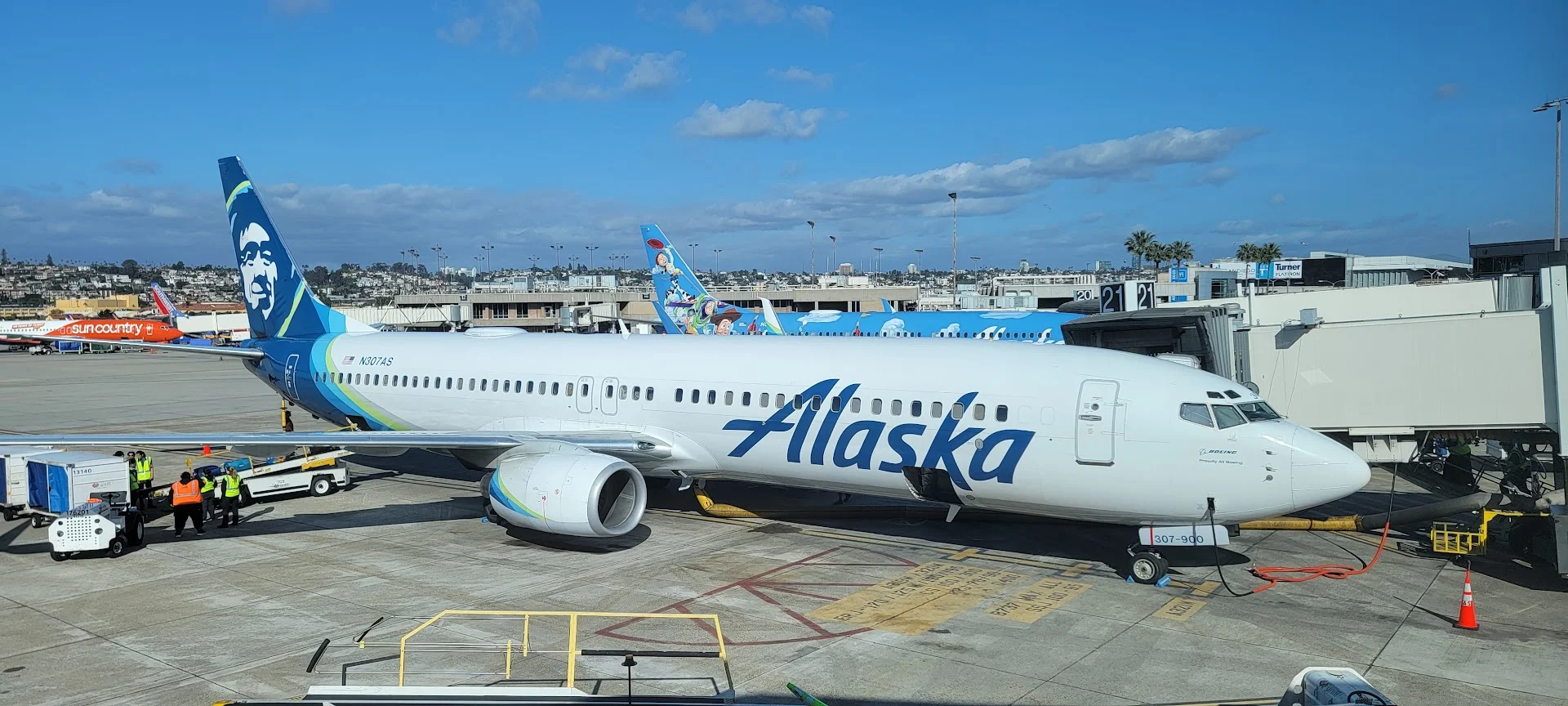
Concerns Over Miles’ Value and Transfer Economics
While the prospect of points transfers could excite many members, there are underlying concerns about how this shift may affect miles' value. Alaska Airlines has historically sold miles at a premium rate; thus, to accommodate the new transfer system, they might be forced to adjust either the pricing structure of points or the transfer ratio, possibly even below a one-to-one for effective earnings. This shift has the potential to dilute the value proposition of Alaska miles, particularly if members feel they're not receiving commensurate value.
Moreover, as Alaska extends its offerings globally, it must contend with varying interchange fees that could further necessitate a reevaluation of the pricing mechanics behind their loyalty program. The potential shift in costs could create an imbalance that ultimately affects both the airline’s bottom line and its frequent flyer base. It's a tricky tightrope to walk, especially in an industry where loyalty can be as fickle as the weather.
Implications for Award Availability and Pricing
Despite the uncertainties, it's unlikely that the influx of new miles from point transfers will significantly disrupt award availability by saturating the market. Alaska Airlines has very limited reasonably-priced awards available, with much of the value residing in partner travel options. What does this mean? It suggests that any potential oversupply of miles could be mitigated by the existing restrictions in award availability, benefiting the airline in terms of maintaining its pricing integrity.
- The majority of awards are redeemed through partnerships with airlines like British Airways and American Airlines, meaning that additional miles might not drastically alter the demand for award space. These partnerships have historically governed Alaska's redemption strategy and largely define the competitive dynamics of its loyalty program.
- My primary concern revolves around the pricing of partner awards. If Alaska opts to lower the cost of selling miles to support the transfer program, that could lead to more expensive redemptions. And this is the part most people overlook: the balance between attracting new members and preserving the loyalty of existing ones can easily tip into a precarious state, where the allure of more miles sours the experience for those who's been with Alaska for years.

Future Outlook: Challenges and Opportunities
As Alaska Airlines moves forward with these enhancements, the true test will be how these changes impact the collective experience of their frequent flyers. Increased access through point transfers should be balanced carefully against maintaining the value of a rewarding program. Frequent flyers are savvy—they know the market and will quickly shift loyalty if they perceive that the value of their miles is being compromised.
If you're working in this space, it's advisable to keep a close watch on how these dynamics unfold. The next few years could be telling for Alaska as they navigate these changes while balancing the need to attract new members without alienating their established base. Expect competitive responses from other airlines as well, especially if this model proves successful for Alaska.

Discussion
Sign in to join the discussion.