Delta Airlines opts for Amazon over Starlink for in-flight WiFi, leaving it at risk of lagging behind competitors in speed and performance.
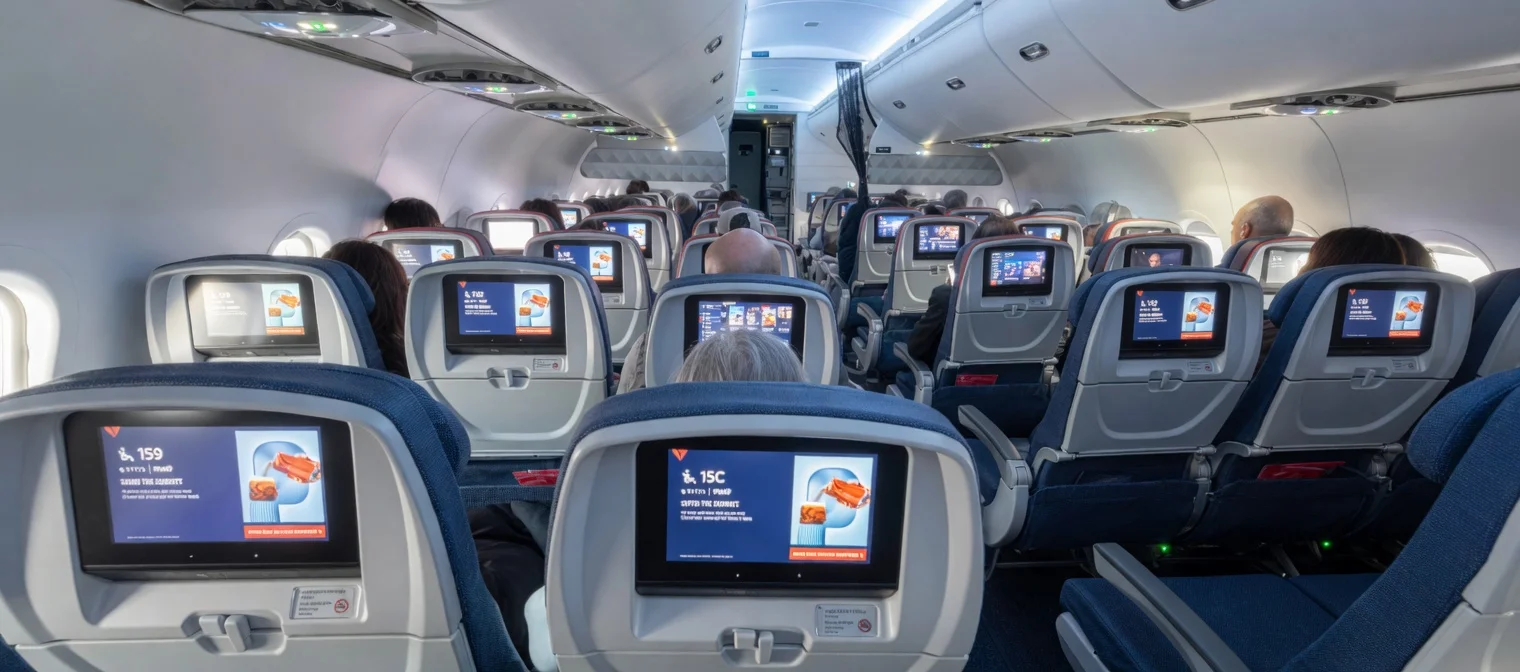
As the race for in-flight connectivity heats up, Delta Airlines finds itself potentially falling behind its competitors. While airlines like United and Southwest swiftly install Starlink's low-Earth orbit satellite WiFi across their fleets, Delta made the notable decision to partner with Amazon instead. This move raises questions about Delta's strategy and its impact on passenger experience. Delta, a legacy carrier with a reputation for prioritizing customer service, might now have to confront a reality that their current trajectory could leave them lagging behind faster-moving competitors. The implications here are not just about technology, but also how they position themselves in a market where consumer expectations for connectivity continue to rise.
Starlink and Competitive Advantage
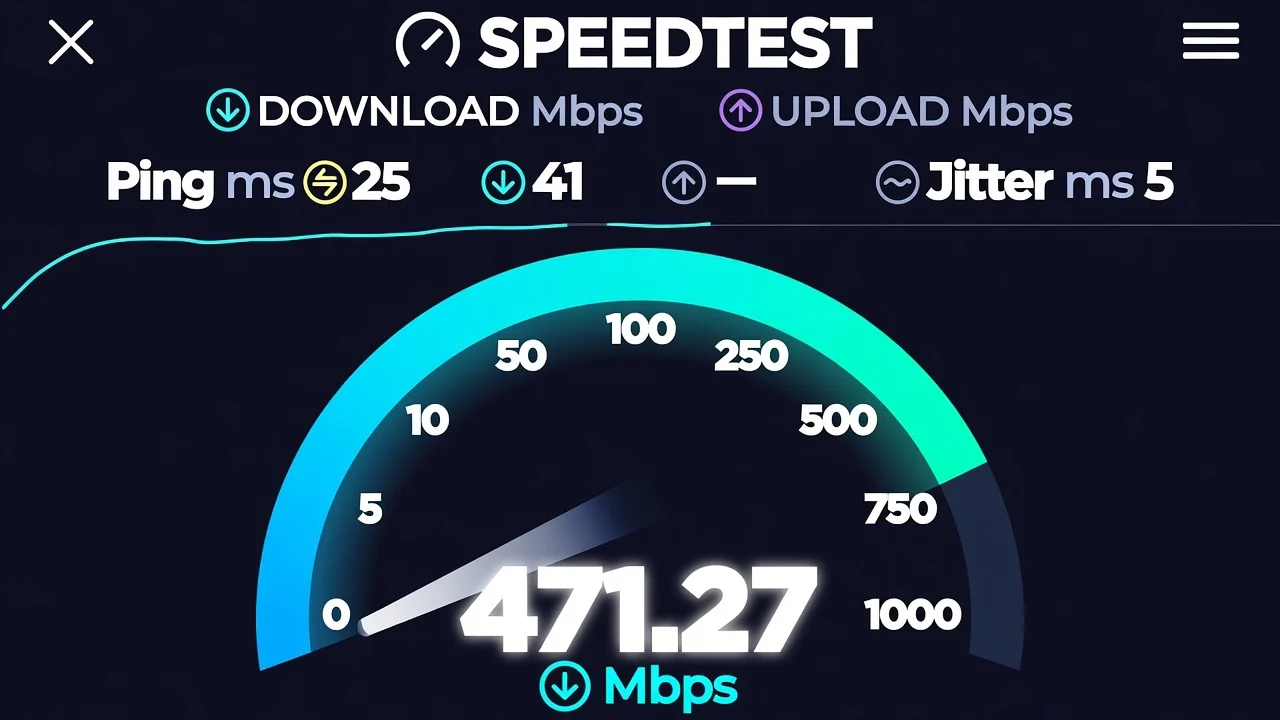
Starlink is heralded for delivering the fastest WiFi in the sky, characterized by minimal latency that provides users with a smooth internet experience. In stark contrast, Delta's choice in Amazon's WiFi solution is fraught with uncertainties. While Delta CEO Ed Bastian is vocal about their decision, claiming they wanted to avoid business dealings with Elon Musk, it becomes apparent that Delta's competitive edge is at risk. Competitors like United and Southwest are capitalizing on Starlink’s efficiency and reliability, while Delta could find itself tangled in a web of untested solutions. The competitive stakes are high, and the pressure to respond to consumer demands for quality connectivity is palpable. If you're working in this space, the choices made now could define industry leaders for years.
Competitive Landscape
The competitive dynamics in the airline industry are shifting rapidly. United and Southwest have already completed their Starlink installations, and both American and Alaska are poised to follow suit. Meanwhile, Delta's plan appears sluggish, with installation set to start only after their competitors are already delivering high-speed connectivity to passengers. This staggered approach might not just be inconvenient; it could actively push customers toward airlines that offer better service. There’s more than just a telecommunications upgrade at stake—there's loyalty, brand image, and future market share.
- Amazon's low-Earth orbit service isn't even in beta yet, hinting at years of development before it becomes available for Delta aircraft. This raises significant questions about its viability when airlines like United are already onboard with proven technology.
- The new system may lack real-world testing, meaning its performance remains an open question. Consumers might end up with a subpar experience that could lead to dissatisfaction amidst high expectations.
- Financially, Delta’s deal with Amazon might seem advantageous due to bundled services with Amazon Studios, but this comes at the expense of immediate connectivity. Such calculations can appear shortsighted if they're not backed by concrete results.
- There's also a managerial decision: Delta's system might be integrated with their Sync portal, which Starlink reportedly wouldn't allow, potentially complicating user experience. A cumbersome integration could deter passengers accustomed to hassle-free internet access.
Not exactly. SpaceX requires that there be no annoying “portal” to use Starlink. Starlink WiFi must just work effortlessly … Hard to see how that is a winning strategy.
— Elon Musk (@elonmusk) May 13, 2026
CEO's Remarks on Elon Musk
Bastian’s remarks about Elon Musk and the decision to avoid partnering with him have stirred some controversy. Reports indicate that at internal events, he stated, “We do not want to be with Elon Musk. Trust me.” This sentiment was echoed through a more colorful commentary on Musk's reputation, suggesting a personal bias may have influenced this crucial business decision. (And this is the part most people overlook.) Personal grudges in corporate arenas can cloud judgment and lead to decisions that might not align with long-term strategic goals. This reluctance to engage with Musk could be seen as a miscalculation, considering that many airlines, including British Airways and Lufthansa, are actively deploying Starlink technology, recognizing its competitive edge. Delta's strategy appears out of step with industry trends and consumer expectations. Instead of innovation, they're potentially stepping into a slower-paced lane—all because of a personal decision at the top.
Financial Implications
Amid these operational challenges, Bastian claims Delta will generate a significant portion of industry profits. He projects that Delta will represent around 70% of the airline industry's profits despite a market share of only about 20%. Such estimates, shared during a recent event, indicate that he’s optimistic about Delta's financial resilience, even as fuel costs rise. But optimism without action can be meaningless. In a rapidly changing market landscape, reliance on projected profits without aligning service expectations can lead to dire repercussions.
Delta must grapple with the consequences of its decisions. Not only could the delay in adopting advanced WiFi technology impact customer satisfaction, but it could also risk tarnishing Delta's reputation in a fast-evolving market. Customers are increasingly unwilling to tolerate mediocrity in service. The expectation is high, and any failures—technical or strategic—are magnified by social media and public scrutiny. If Delta doesn’t pivot quickly, it risks becoming an afterthought in a competitive industry.
Implications and Future Outlook
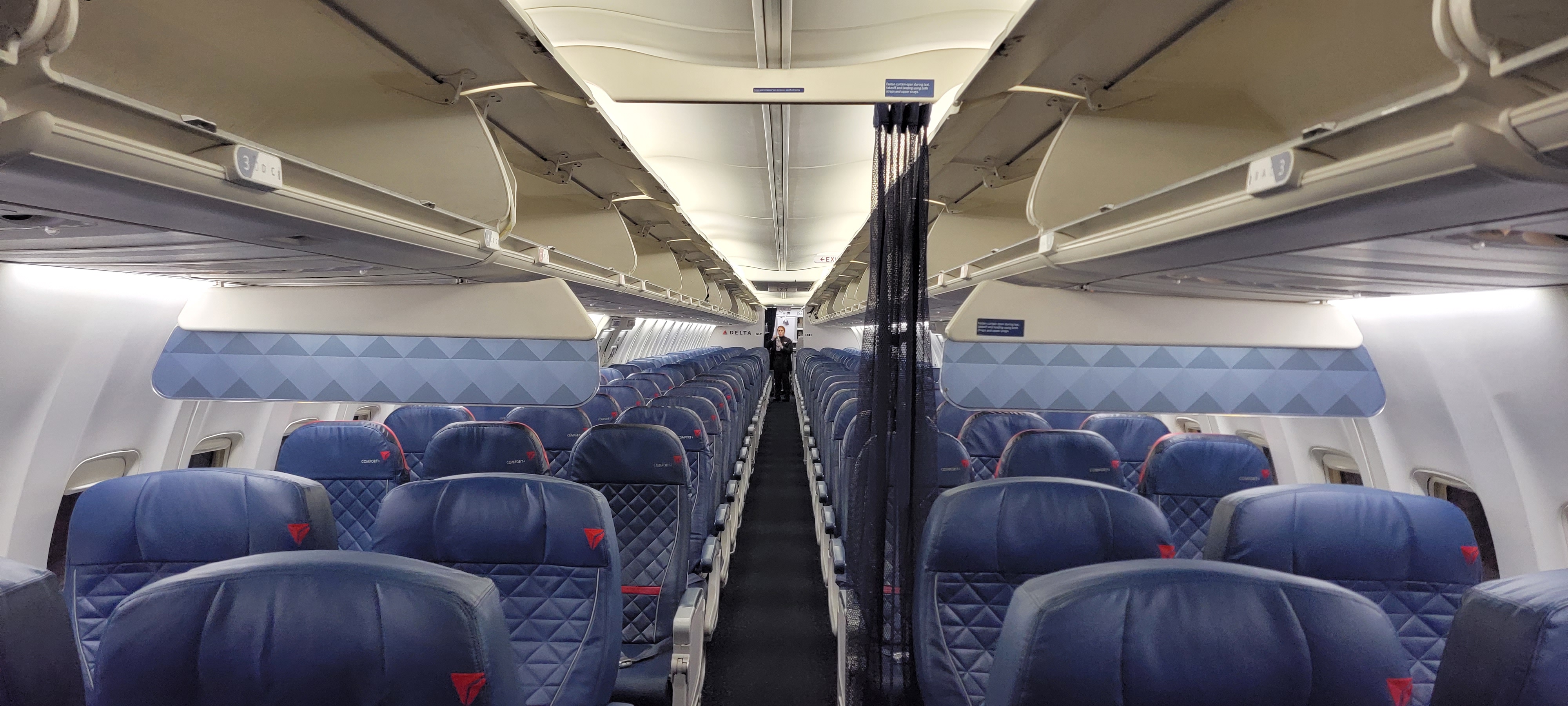
As Delta weighs its options, the stakes are rising. The competitive disadvantage is glaring; others are moving rapidly ahead with proven solutions while Delta is still strategizing. In this high-stakes game, Delta needs to rethink its position. Will its decision to bypass Starlink haunt it in the years to come? The pressure’s on for Delta to demonstrate that its partnership with Amazon can deliver a service that matches, or even exceeds, consumer expectations. The future might well depend on their ability to adapt to the fierce competition around connectivity. If Delta can’t prove that their strategy holds water, it won’t just be a loss in market share—it could signify a deeper disconnect between the airline and today’s tech-savvy passengers. All eyes will be watching as this narrative unfolds.

Discussion
Sign in to join the discussion.