As airlines strip away first-class perks, American Airlines could capitalize on the chance to enhance the travel experience and stand out.
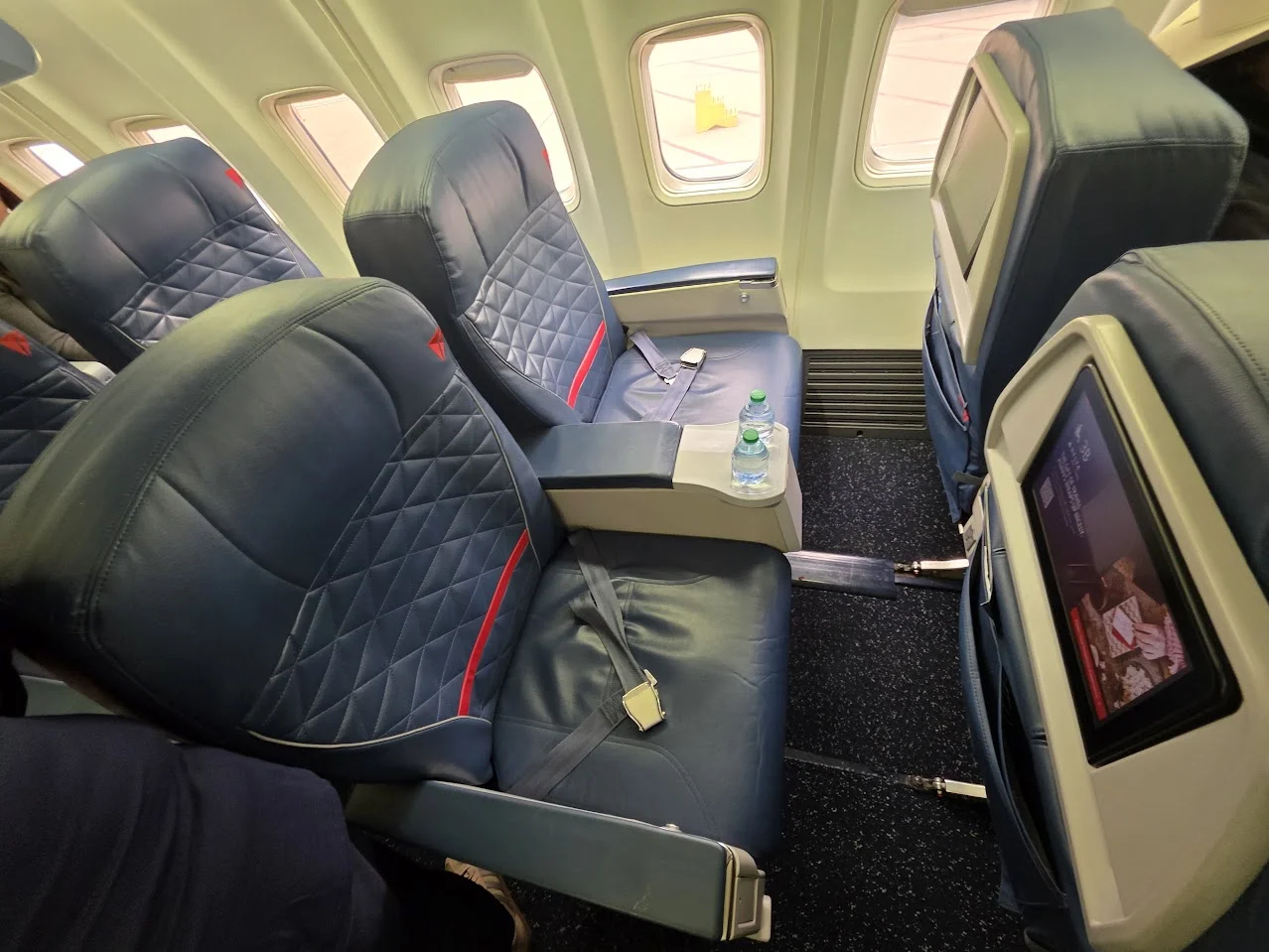
The recent shift in first-class offerings from major airlines like Delta and United showcases a trend toward minimizing included benefits while maintaining higher ticket prices. Delta's introduction of a $300 change fee for domestic first-class tickets without advance seat assignments, along with United’s restrictions—such as fewer checked bags and no itinerary changes—exemplifies this strategy. JetBlue is not lagging behind, as it plans to launch a similarly restrictive BlueFirst cabin.
By presenting first class as two distinct products—one luxurious and the other stripped down—airlines aim to maximize revenue by appealing to passengers willing to pay more to avoid the discomforts typically associated with coach travel. However, this paradigm presents a unique opportunity for American Airlines: to position its first-class offerings as true value that prioritizes customer experience and reduces hassle.
What’s Missing in the New First Class
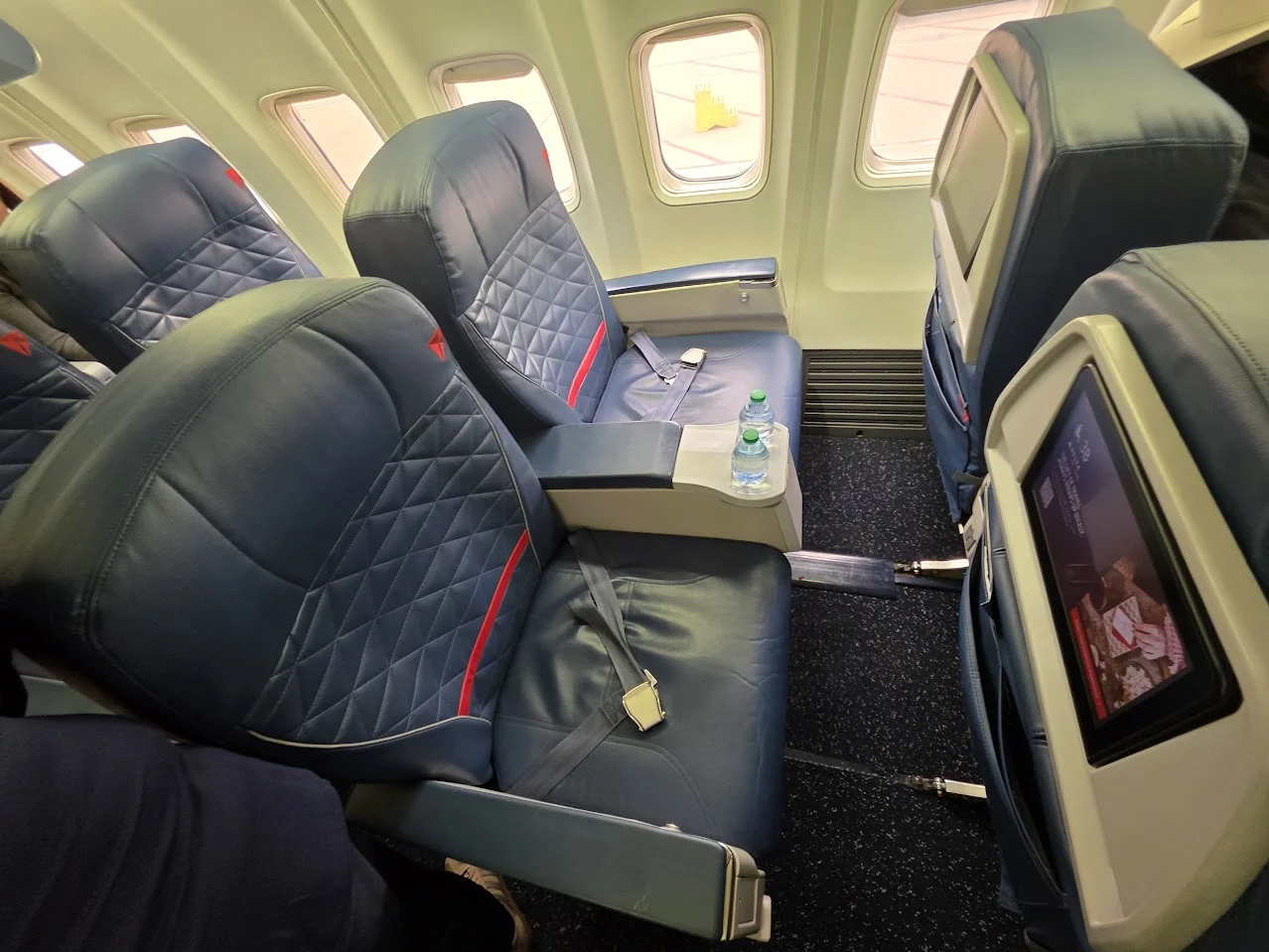
The latest iterations of first class retain the essentials—such as comfortable seating and onboard service—but compromise the overall experience. United's new Base fares are expected to debut this fall, eliminating seat selection for an additional fee and reducing the allowed checked bags from two to one. Furthermore, changing or canceling plans incurs a fee, with mileage earning also diminished. This situation feels paradoxical; customers paying a premium should expect enhanced treatment, not constraints.
Similarly, Delta's Basic First Class fares came into effect on July 8 in various domestic and short-haul Latin markets. Restrictions include last-minute seat assignments and hefty fees for cancellations or changes—often making basic coach fares more appealing in terms of flexibility.
Budget Airlines Define a New Competitive Set
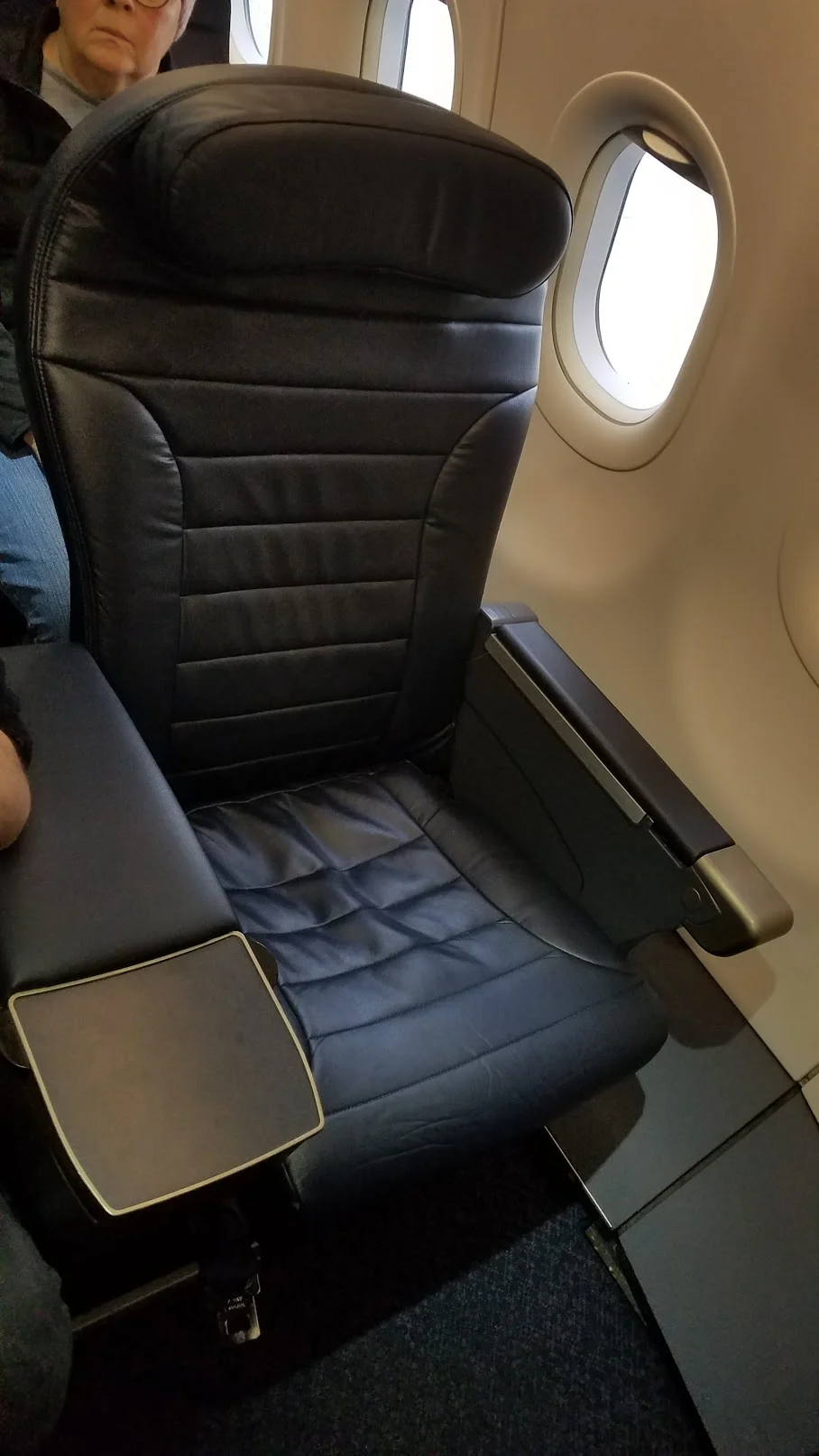
Interestingly, budget airlines seem to have anticipated this shift. Breeze Airways offers first-class seats without mandatory bundled amenities, while Frontier and Allegiant are following suit with enhanced seating and comfort. Spirit Airlines previously tested a large front seat concept, proving that even low-cost carriers can provide high-value experiences—albeit with their trademark quirks.
Why Passengers Choose First Class
Travelers select first class for a myriad of reasons beyond just extra space; many prefer the less complicated procedures. Factors such as the ability to choose a seat, bring more luggage, and avoid the pitfalls of multiple transactions weigh heavily on their decisions. When passengers encounter numerous fees and restrictions instead, the aspirational component of flying first class—often more intangible—erodes quickly. For example, inconsistent service and subpar food options can tarnish the premium experience.
- Many realize that they can achieve comfort and convenience by simply purchasing an extra coach seat.
- In essence, adding restrictions effectively diminishes the perceived value of first-class tickets.
The New Pricing Strategy in First Class
Airlines are increasingly turning to price discrimination to manage excess inventory. They aim to sell premium seats to price-sensitive travelers who wouldn't pay full price otherwise. Such manipulation usually results in more restrictions rather than enhanced quality, leading to an environment where the allure of first class is diminished.
Unsurprisingly, this could lead to long-term brand erosion, as customers dissatisfied with the devalued offerings may choose to explore other airlines. The strategy of enhancing profitability through tighter control might backfire when passengers downgrade their expectations or loyalty.
Global Perspectives on Premium Offerings
Airlines like Qatar and Emirates demonstrate that while some restrictions can coincide with a luxury experience—like selective seat assignment fees—this doesn’t translate equally to domestic flights in the U.S. Their premium brands are fortified by superior service and seating, attracting travelers to continue purchasing their higher-tier products.
American Airlines: A Chance to Stand Out
The enduring appeal of first class as described in popular culture—"first class used to be a better seat, now it’s a better life"—signals a potential shift for American Airlines. As competitors strip away the fundamental elements of a worthwhile first-class experience, American has a valuable opportunity to redefine its offering.
Rather than mimicking the trend of reduced benefits, American could emphasize its first-class product as one that actually delivers a simpler and smoother experience. Offering things like choosing your seat, checking bags without fees, and allowing flexible changes could differentiate American Airlines in a crowded marketplace.
This strategy aligns with airline CEO Robert Isom's push toward maximizing revenue while enhancing customer loyalty. Instead of following the trend of cost-cutting by imposing fees, American possesses the chance to champion a return to a more predictable and pleasant travel experience.
By presenting first class as a no-hassle option, American could soon recognize a marked preference among premium travelers and elevate its brand without incurring extra costs. The key lies in renewing the significance of first-class travel as a commitment to customer ease over mere seat upgrades.

Discussion
Sign in to join the discussion.