TSA's revamped PreCheck system will introduce changes at seven airports, including enhanced screening and potential deregulation of water restrictions.
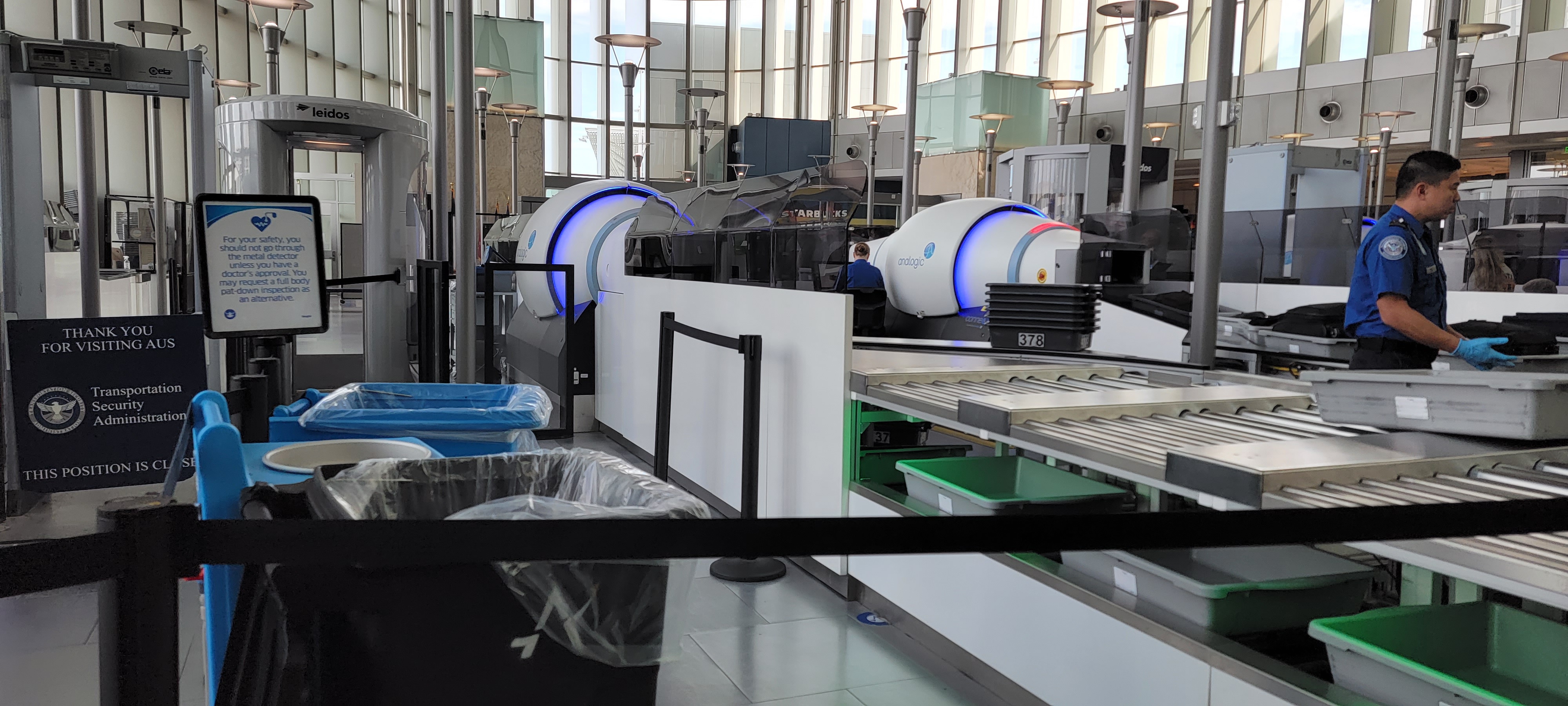
TSA is gearing up to implement a refreshed PreCheck screening process across seven airports within the next six weeks, with an eye on doubling the passenger throughput. Alongside the new lanes, there’s speculation that certain restrictions, particularly regarding liquids, might be relaxed for passengers.
- The agency currently invests significant resources into screening passengers it has already vetted as low risk, making it puzzling that they're enhancing scrutiny for PreCheck users, even as they consider loosening restrictions on liquids.
- Moreover, there's an argument for waiving the enrollment fee for PreCheck, as giving more travelers access would allow TSA to allocate its screening efforts more effectively, ultimately cutting costs.
According to TSA Administrator David Cummins, the planned upgrades will feature electronic gates, body scanners, and automated bag screening technologies.
Enhanced Checkpoint Measures
Several pivotal adjustments are in store:
- Electronic gates for identity verification. New self-service identity checks utilizing facial recognition technology will reduce the necessity for manual document verification.
- Mandatory body scanning. PreCheck travelers, who typically use walk-through metal detectors, will likely be routed through body scanners, a shift that appears advantageous for the manufacturers of these devices.
- Automated threat detection for bags. The TSA's “image on alarm” software will help prioritize which bag images need further scrutiny instead of requiring every bag to be manually checked.
This bag screening technology has seen trials in locations such as Nashville and Las Vegas, aiming for improved efficiency at the checkpoints. However, the success of automated identity checks hinges on managing errors effectively, especially given that even small percentages of misidentified passengers can translate to significant numbers. This aspect becomes essential not just from a security standpoint, but also in maintaining passenger trust in the system.
Potential Changes to Liquid Rules
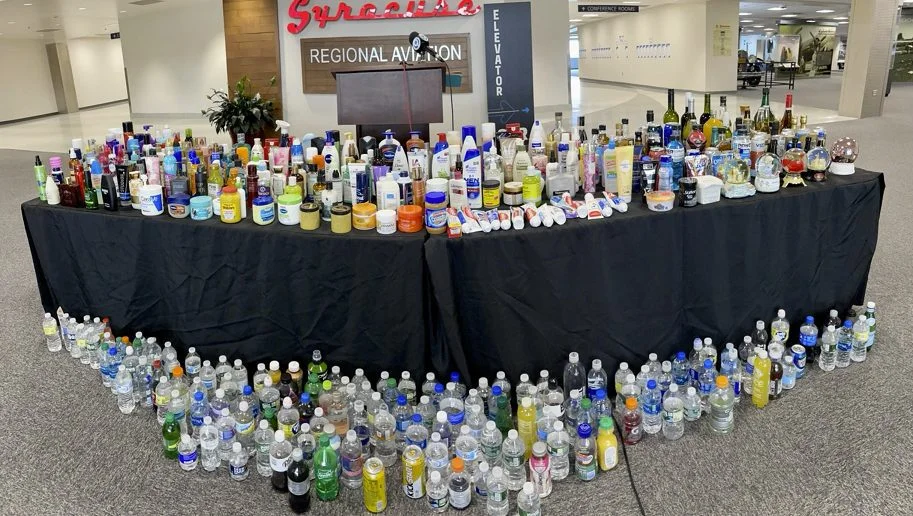
While specifics about additional items that could be allowed through screening weren't detailed, water has emerged as a prominent topic of discussion. TSA is exploring the possibility of permitting PreCheck travelers to carry full water bottles past security, contingent on suitable scanning technology being implemented. This is a noteworthy potential shift, as liquid restrictions have long been a sore point for travelers and a major source of delays at checkpoints.
Last month, I covered this consideration, related to the ongoing conversation about liquid restrictions. If you’re working in this space, you’re likely aware of how travel frustration tends to bubble up around these limitations, affecting passengers’ overall experiences and how they perceive the efficiency of security measures.
Advocacy for Free PreCheck Enrollment
Cummins indicated that each equipment package would cost around $4 million, with a projected three-year return on investment. He aims to add 20 million more PreCheck members in the same timeframe, achieving staffing reductions through natural attrition rather than layoffs. This strategy presents an interesting conundrum. As the TSA invests heavily in new technology, the question arises: how can they ensure that these advancements yield their intended improvements without properly aligning enrollment incentives?
Yet, this strategy seems misaligned. Increasing free enrollment would allow TSA to target genuine threats more efficiently by expanding the pool of vetted travelers, alleviating pressure on checkpoints. Charging an enrollment fee can deter potential members, inadvertently burdening the TSA with additional screening responsibilities for low-risk passengers. This financial barrier doesn’t just decrease participant numbers; it also leads to an outcome that few can truly justify.
A family planning to fly once annually might skip the application due to costs, leading to more complex screening encounters. It’s a paradox where financial barriers ultimately increase TSA’s workload and expenses. And this is the part most people overlook: the fees associated with PreCheck don’t just keep low-risk passengers away; they contribute to inefficiency at a national level. In a system designed to streamline operations, that seems counterintuitive.
Implications and Future Outlook
The implications of these changes could be significant. By streamlining the screening process, TSA might achieve its goal of reducing passenger wait times and enhancing safety—two critical facets for any security operation. However, the skepticism surrounding the management of automated systems should not be understated. The technology must not only function well but should also be perceived as fair and accurate by travelers. Erroneous screenings, whether related to identity verification or baggage inspection, could ignite backlash, especially in an era where public perception can quickly shift.
So, what does this mean for you? If you’re a traveler, you might see increased efficiency at your next airport visit. But if you're working in this space, the challenge lies in maintaining a balance between speed and security. As those automation systems become commonplace, expect ongoing discussions about whether they truly benefit the passenger experience or simply complicate it further. The TSA’s success in this significant overhaul will likely depend not only on effective implementation but also on transparent communication with the public regarding these technologies' reliability and safety. The road ahead is complex. Are the right questions being asked? Only time will tell.

Discussion
Sign in to join the discussion.