JetBlue's TrueBlue frequent flyer bonds have dropped to 72 cents on the dollar, igniting concerns over the airline's financial stability and future.
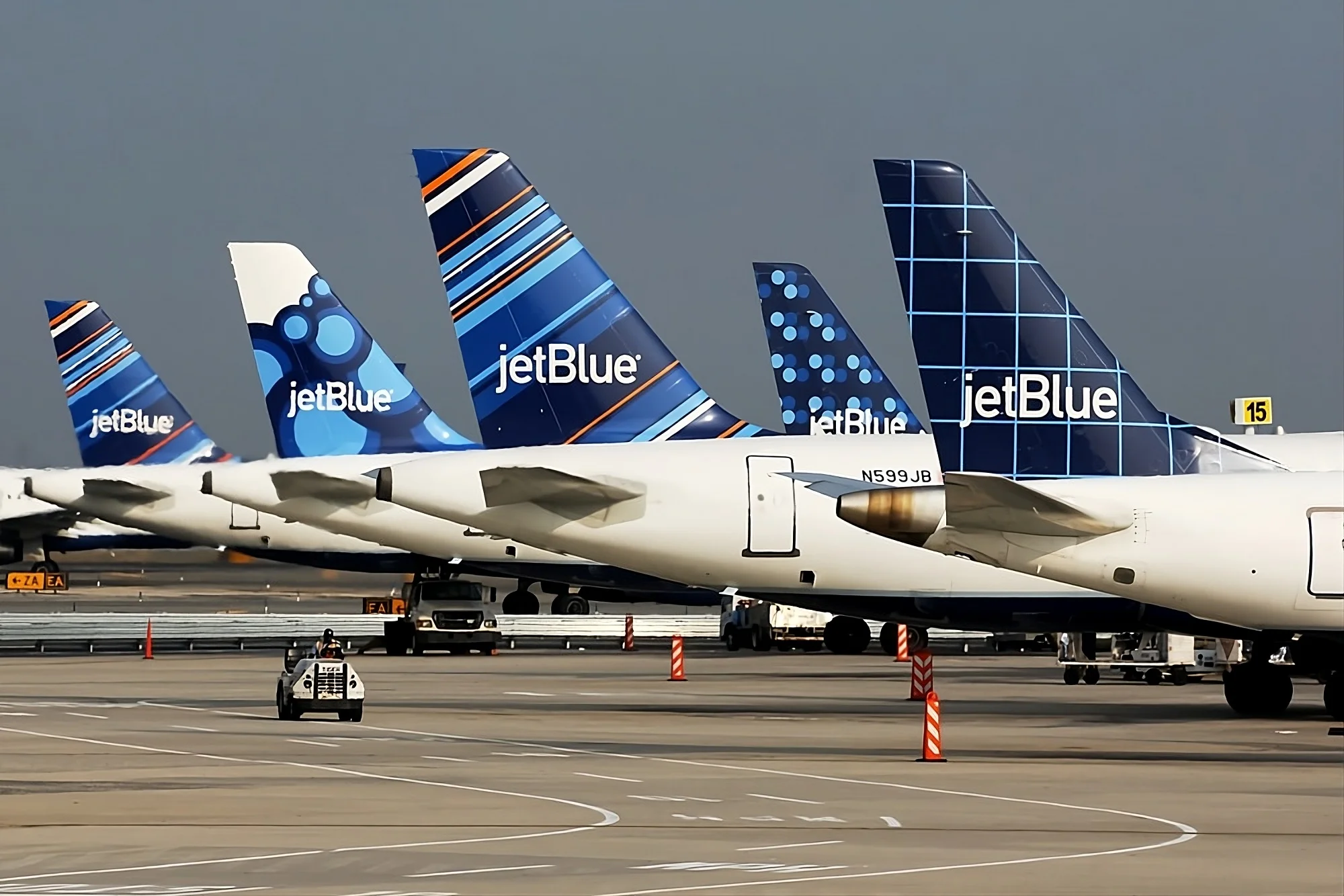
JetBlue is grappling with significant financial pressure, as its $2 billion in bonds linked to the TrueBlue frequent flyer program have dipped to 72 cents per dollar. This decline reflects investor anxiety regarding the airline's ability to honor these obligations. Although the airline has sufficient cash on hand for the time being, its debt situation is causing unease among lenders.
Current Bond Situation
The bonds, originally issued in August 2024, have reached their lowest value since issuance, with the yield on the bonds climbing to an alarming 19% at the current trading price. This surge in yield suggests that investors are demanding a higher return to compensate for the perceived risk associated with JetBlue's financial health. The recent spike in short selling—now at roughly 29% for JetBlue’s stock—indicates a rising skepticism among investors about the airline's prospects. Short selling can be seen as a bet against a stock’s performance, and the high percentage reflects a significant lack of confidence in JetBlue's ability to turn its fortunes around.
JetBlue shares, once valued around $20 pre-pandemic, closed recently at just $3.84, underscoring the airline’s precipitous decline. This collapse in share price isn't just an isolated issue; it mirrors broader challenges faced by airlines recovering from the pandemic's impact. Although measures like credit default swaps indicate a heightened risk of default, my analysis suggests that a more likely scenario than outright bankruptcy could involve a debt restructuring process. Without a significant turnaround in operational efficiency, these measures might be the airline's best hope for survival.
Debt Obligations Looming
JetBlue's balance sheet, as of June 30, revealed approximately $2.2 billion in unrestricted cash and investments, alongside an undrawn credit line of $600 million. However, total debt and finance leases amount to around $8.5 billion, raising concerns about the ability to handle upcoming payments. This stark contrast between available liquidity and looming debt obligations indicates a precarious situation for the airline.
The airline must confront roughly $236 million in debt obligations for the remainder of 2026, peaking at $1.835 billion due in 2029, a year that holds the highest debt burden. Holding such a substantial amount of debt is particularly problematic for an airline that’s already facing operational and financial issues. While JetBlue reportedly has $6 billion in unencumbered assets to tap into, refinancing this debt could prove challenging amidst cash flow losses. You can only kick the can down the road for so long before the repercussions catch up with you.
Financial and Operational Hurdles
Unlike competitors such as United, Southwest, and Delta, JetBlue has struggled to maintain profitability despite similar fuel pricing. While these airlines have reported substantial second-quarter earnings, JetBlue's operations flagged, posting a loss of $141 million. This stark divergence in performance raises questions about management’s strategic decisions and the operational efficiencies at play.
Operational delays and cancellations, alongside expensive fleet and engine issues, have hindered productivity and consumer confidence. This is the part most people overlook: the intangible cost of customer loyalty and brand perception. If passengers continue to experience delays, they might choose to fly with other airlines, further eroding JetBlue's market position. The abandoned partnership with American Airlines and the failed acquisition of Spirit Airlines have also diverted critical focus away from more beneficial initiatives, exacerbating the current woes.
Bankruptcy: A Possible Avenue
Amidst the financial turmoil, a bankruptcy filing is a valid consideration, albeit one that might not fully address JetBlue’s financial woes. Under U.S. bankruptcy law, the airline could restructure its secured debt and minimize obligations while retaining its assets, which could be pivotal for long-term survival. However, simply entering bankruptcy often leads to a prolonged period of uncertainty that could scare off customers and investors alike.
The potential to renegotiate with creditors might shape a pathway to relieve immediate financial stress. Yet, this is a risky maneuver; creditors may or may not see JetBlue as a worthwhile partner post-bankruptcy, particularly given the airline's troubled operational history.
Pursuing Strategic Options
Earlier this year, JetBlue explored strategic options, which may now include a sale as a viable alternative. Assets such as prime New York slots, gates at key airports, and their customer loyalty programs could make the airline attractive to competitors. You might wonder if this is a last-ditch effort to salvage something from the wreckage. Potential buyers like United may have mixed feelings about fully acquiring JetBlue, especially considering the operational challenges that would accompany such a merge.
United CEO Scott Kirby has dismissed the idea of purchasing JetBlue as a whole; rather, they might prefer to secure segments like gates or aircraft without the baggage of JetBlue's existing liabilities. Meanwhile, Southwest could find opportunities to enhance its New York presence but would face complexities in integrating different fleet operations. Mergers in this industry aren't just about combining assets; they also involve cultural integration, and culture impacts operational efficiency.
Looking Ahead
While concerns around JetBlue's financial health are palpable, there are signs of resilience as well. Some operations, particularly in Fort Lauderdale, continue to perform favorably. Collaborations with United have shown potential, despite the complexities involved. What this means for you, if you're working in this space, is that just because JetBlue's current situation seems dire doesn't mean it can't rebound. Ultimately, the future of JetBlue may hinge upon adept management of its debts and strategic partnerships as it navigates a challenging industry environment.
Implications of JetBlue's Situation
JetBlue’s struggles serve as a cautionary tale for other airlines. The combination of operational challenges, investor skepticism, and high debt could set a precedent for how financial strain impacts market stability. If JetBlue does succumb to bankruptcy or restructuring, it might send ripples through the airline industry, affecting investor sentiment broadly.
As the airline industry continues to recover from pandemic-induced turbulence, JetBlue's trajectory will be closely watched. Should they fail to address their financial and operational hurdles, the implications may go beyond numbers. They'll impact routes, jobs, consumer choices, and potentially reshape the competitive dynamics within the airline market.

Discussion
Sign in to join the discussion.