Alaska Airlines now requires passengers to cancel and rebook to secure lower fares, complicating the process for travelers looking to save money.
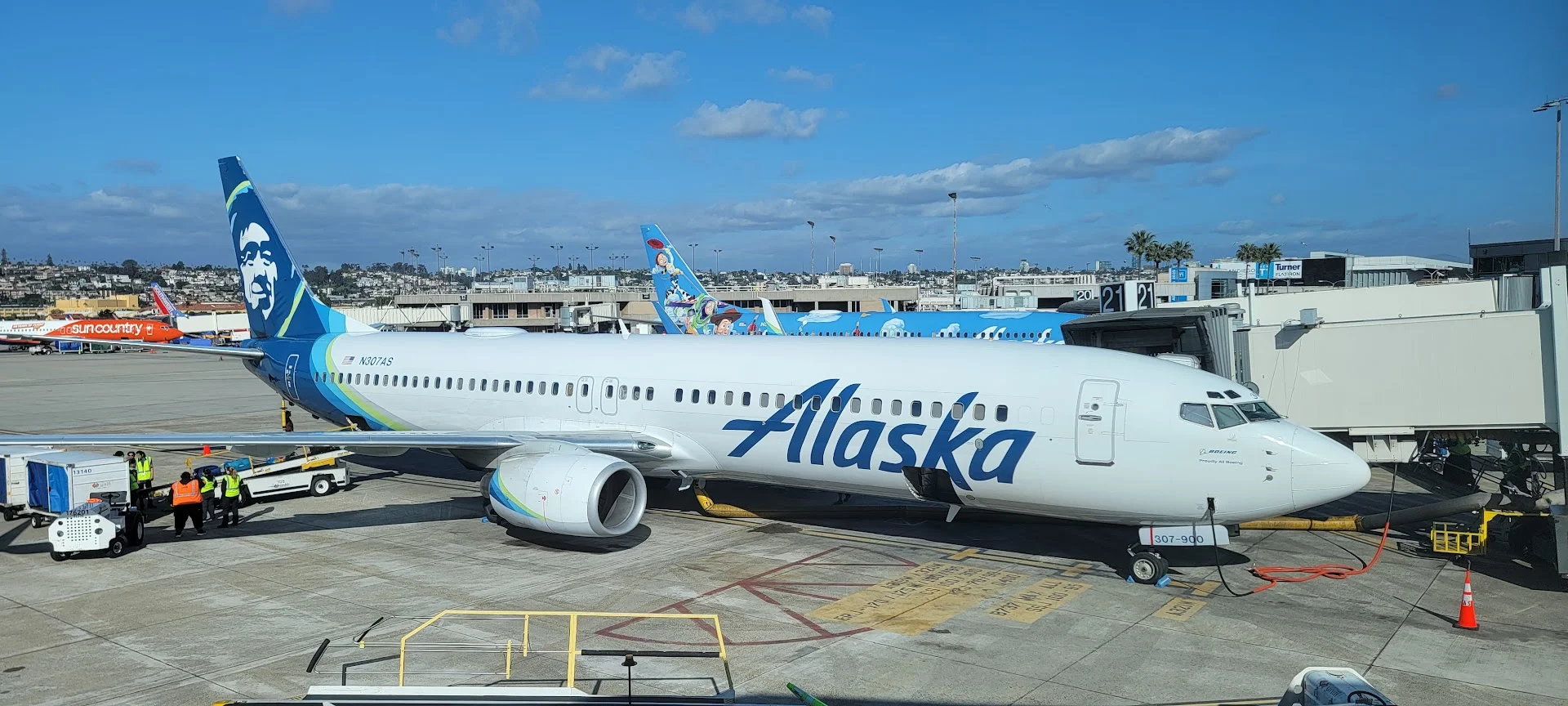
In a bid to streamline its booking processes, Alaska Airlines has altered its fare adjustment policy, mandating that passengers cancel their existing reservations and rebook if they wish to take advantage of lower ticket prices. This shift, which went into effect on October 7, marks a significant departure from the previous practice where customers could simply receive a voucher for the fare difference.
This change appears to be a response to the pressures airlines faced during the pandemic, when they initially waived change fees to regain customer trust. Following the lead of rivals like United Airlines, which eliminated its domestic change fees in 2020 (with some exceptions), Alaska dropped its own change fees on most fares shortly thereafter. While this created a more open environment for customers to purchase tickets without the fear of financial penalty, it also impacted the airlines' revenue models.
Under the new policy, travelers who notice a price drop after purchasing their ticket must navigate a more cumbersome process. Upon attempting to reprice their tickets, many discovered that achieving a lower fare is not as straightforward as it seems. For instance, a reader named Brian found himself having to cancel his Kauai trip after prices dropped, only to later learn that the credit received from his canceled booking could not be applied to purchase his new tickets. This added layer of difficulty counters the early reassurance customers experienced when booking flights.
Alaska's website outlines this policy succinctly, stating that they “can’t apply price adjustments after purchase.” Instead, customers are encouraged to initiate a cancellation and then apply the resulting credit toward a new booking. However, nuances in the policy have begun to surface:
Complications from the New Policy
- Companion Fare payments: Terms specify that credits from canceled tickets cannot be used for tickets purchased with companion fare discounts. This overlap often forces customers to use a new payment method instead of the credit they were expecting to apply.
- Expiration of discounts: For customers utilizing companion tickets, an unexpired certificate is returned with its original date. However, if someone cancels a ticket, the risk of losing an already expired certificate looms large.
- Paid seat selections: Individuals who select upgraded seating in their initial bookings may find that canceling causes their seat fees to revert to credit while disallowing the use of that credit for re-selections, leading to unexpected out-of-pocket costs.
- Seat availability: Once a ticket is canceled, there's no guarantee that the same seats – particularly those that may be upgraded – will remain available. For families and travelers who prefer specific seating arrangements, this uncertainty can negate any potential savings from a fare drop.
This change isn't isolated to Alaska Airlines; other carriers have shown a similar trend. Notably, JetBlue has also adopted a policy of requiring cancellations for fare adjustments, much to the frustration of its customers. In contrast, airlines like Delta, American, and United maintain more customer-friendly practices, allowing pricing adjustments directly through conversations with agents. For instance, Delta clients can receive eCredits for fare differences without the hassle of rerouting through website protocols.
Customer Implications and Competitive Landscape
The decision by Alaska Airlines seems primarily aimed at reducing workloads for customer service representatives, as fewer manual repricing tasks may translate into cost savings for the airline. Nonetheless, these changes are likely to deter customers from seeking fair adjustments, especially when the stakes include potential loss of seats and travel arrangements.
With this new approach, Alaska Airlines appears to be banking on the assumption that many travelers will opt for the security of their previous tickets rather than risk navigating the arduous rebooking maze. Consequently, this could translate into higher retained revenue per original fare, at the cost of potential customer loyalty.
Ultimately, this shift could backfire. By reducing the friendly practices that encourage advance bookings and fair adjustments, Alaska risks alienating travelers who might otherwise choose them over competitors that are still granting easy access to fare savings. As loyalty in the airline industry often hinges on customer experience, the long-term effects of optimizing for operational efficiency at the expense of consumer values remain to be seen.
The recent discussion around these changes enhances the importance of understanding not only individual airline practices but the broader implications for consumer travel behavior post-pandemic. Being able to adjust to fare drops isn't merely a convenience; it's foundational for establishing trust and loyalty in an industry where customer satisfaction is pivotal.

Discussion
Sign in to join the discussion.