A recent Frontier Airlines incident raises questions about passenger safety and comfort during on-ground delays, emphasizing the need for improved procedures.
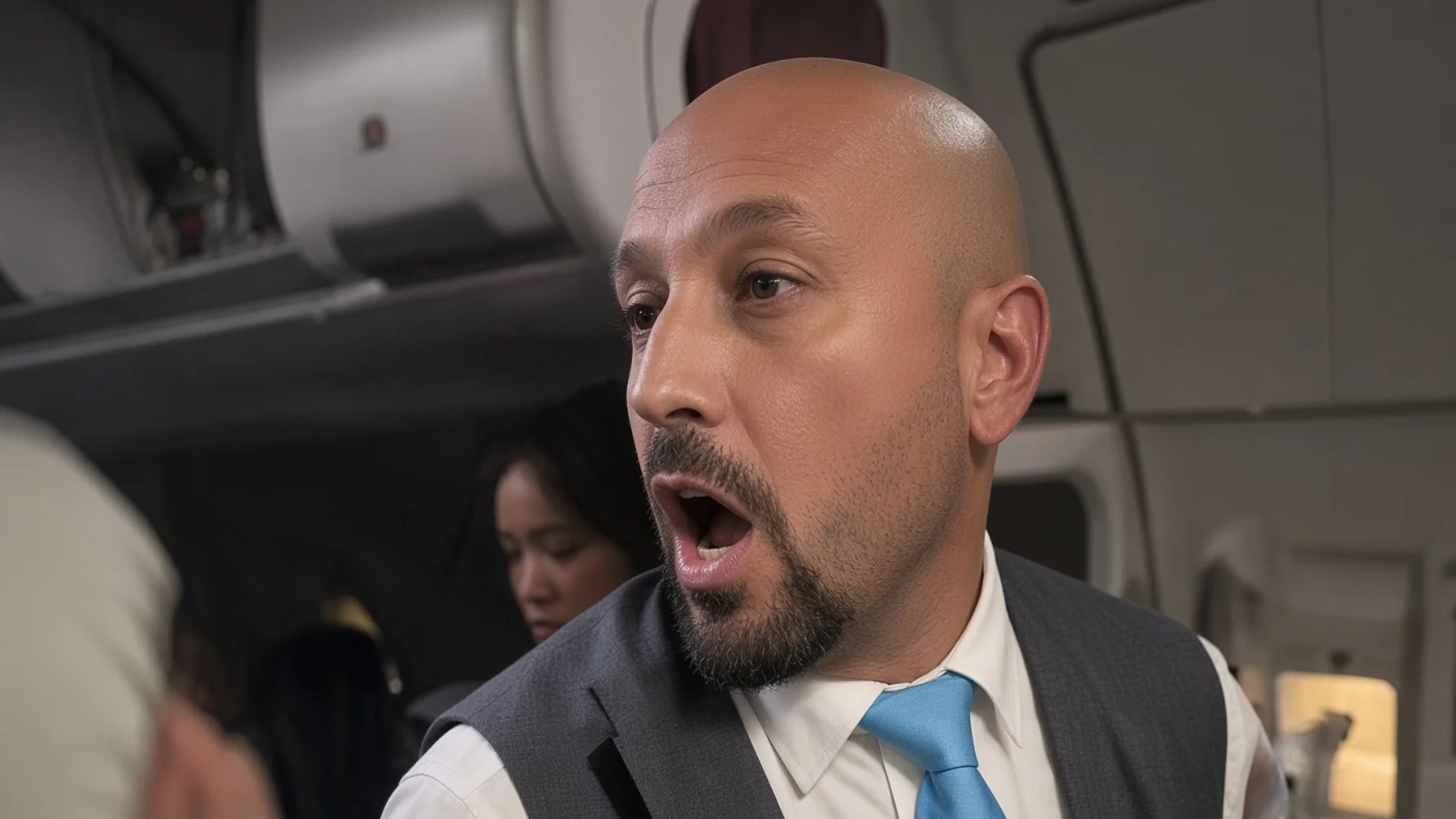
A Frontier Airlines flight experienced a tense situation recently as passengers awaited disembarkation in Atlanta due to a misaligned jet bridge. Video footage captured a flight attendant physically restraining a passenger who was desperately trying to reach a cabin door, her mother having become unresponsive during the delay.
Timeline of the Incident
This incident took place on October 6, involving flight 2052 from New Orleans. While the aircraft landed a full 20 minutes ahead of schedule, the deplaning process was significantly hindered when the jet bridge malfunctioned after some passengers had already begun to exit. Frontier Airlines provided clarity by stating that the maintenance crew took 27 minutes to successfully realign the bridge, during which time passengers remained inside the cabin. This timing raises questions about operational protocols, particularly during incidents that could lead to medical emergencies.
Passenger Experience and Safety Measures
The cabin environment appeared uncomfortable, with dim lighting and a crowding of passengers near the galley. This situation escalated the urgency being felt, especially among those with medical concerns. It's fair to say that many passengers in distress would find such an environment unbearable. Communication from the crew could have alleviated some of the stress; clear instructions during unexpected delays can help passengers feel more at ease. Here’s the thing: opening the door under these conditions could lead to greater chaos, particularly if the bridge isn’t properly aligned. Proper communication from the crew could not only soothe anxious passengers but also prevent ill-considered actions, like attempting to exit the aircraft prematurely.
Operational Challenges for Airlines
That said, an extended wait without adequate cooling measures is concerning. Aircraft typically rely on auxiliary power units or ground equipment for air conditioning, especially when engines are turned off. If these cooling systems were inoperative, the airline should have deployed immediate assistance to rectify the situation. This aspect of the operation often gets overlooked, but high temperatures can exacerbate medical emergencies and cause discomfort for passengers waiting to disembark. If you’re working in this space, you know how vital it is for airlines to prepare for such contingencies, especially during irregular situations like this.
Lessons from Past Incidents
Past incidents highlight the need for airlines to strike a more effective balance between maintaining safety protocols and ensuring passenger comfort. For example, there was an American Airlines case where a passenger opened an emergency exit due to extensive delays. Other reports indicate passengers have suffered from heat-related health issues during long ground waits. The re-emergence of such stories underscores a systemic issue that hasn't been adequately addressed. The Department of Transportation has stressed that airlines bear the responsibility of providing a tolerable cabin environment and timely medical assistance, especially when emergencies arise.
Operational Complexities and Future Directions
This Frontier episode serves as a reminder of the operational complexities airlines face on the ground and the vital need for refined procedures that prioritize passenger safety and comfort. In the airline industry, patience often wears thin during delays, and a lapse in communication can lead to escalating tensions. The current protocol for handling these situations—including how airlines manage technical issues with jet bridges—needs to be reviewed comprehensively. Airlines shouldn't only focus on getting planes in and out quickly but also on how to keep passengers calm and informed, even in difficult situations.
The implications of such incidents are far-reaching. Airlines operate in an environment where public perception can shift rapidly based on the experiences shared on social media. If this kind of unsettling incident isn't addressed with improved processes, the industry's reputation could suffer. An investment in training flight attendants to handle such stressful scenarios, alongside upgrades to ground facilities, could mitigate risks in the future.
Ultimately, the focus has to remain on passenger welfare, particularly when emergencies arise. To that end, airlines need to rethink their contingency strategies, ensuring that they can adapt quickly and effectively to any situation that might jeopardize passenger safety or comfort.

Discussion
Sign in to join the discussion.