A guest's experience highlights ambiguities in Marriott's compensation policies after being charged for a room lacking air conditioning.
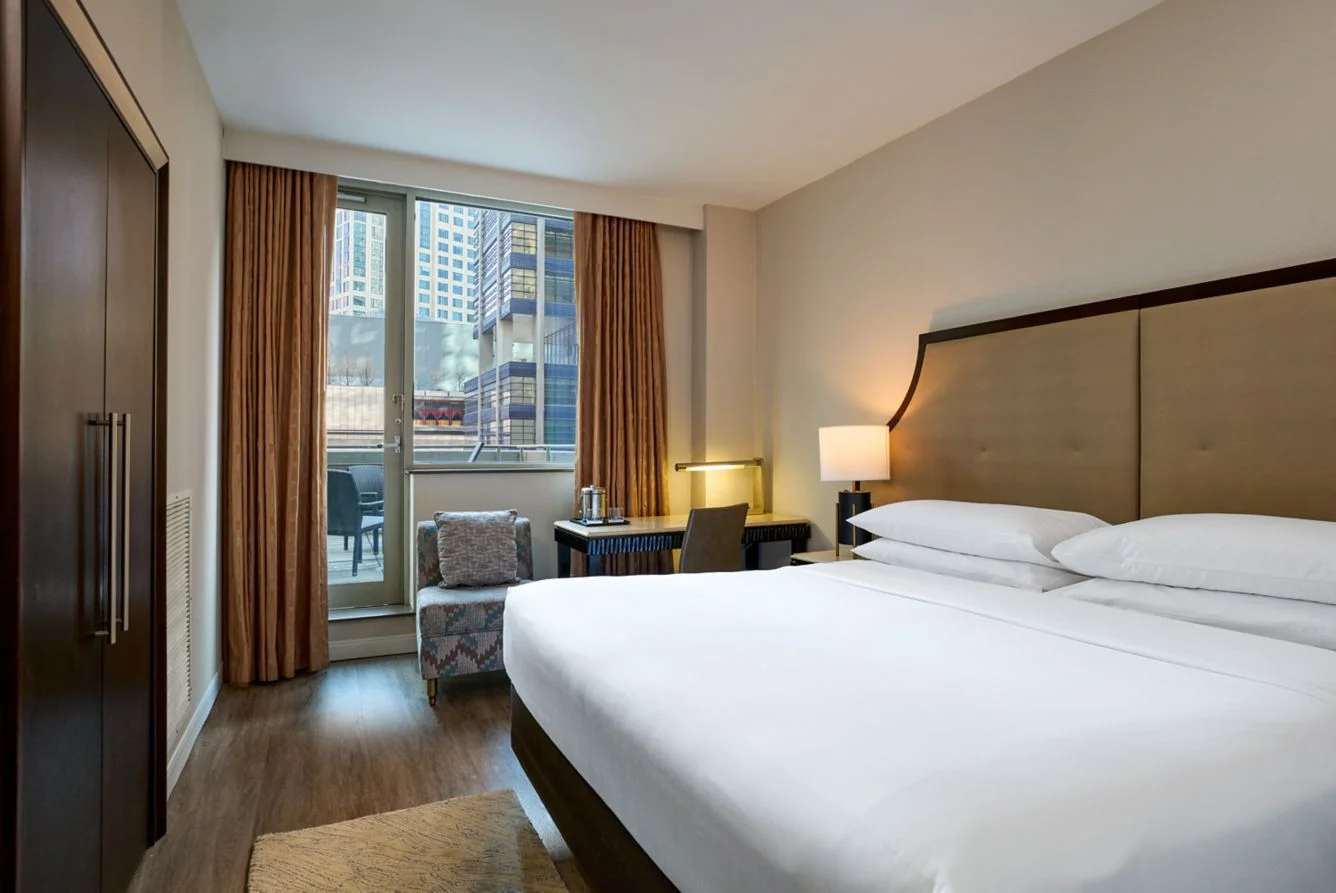
A Marriott Titanium member recently faced a frustrating experience at the Sheraton Brooklyn. Upon arrival, he was informed that no rooms were available with working air conditioning and was instead moved to the adjacent Aloft. What transpired next raises questions about hotel policy and customer rights.
A Breakdown of Customer Experience
The guest, who initially booked his stay using 37,000 Bonvoy points, quickly discovered that instead of receiving compensation for being relocated, he was charged an additional 15,000 points. Marriott contended that he had not been "walked" but rather offered a room at the Sheraton—one he deemed unacceptable due to the lack of air conditioning, a standard expectation during New York's sweltering June. This discrepancy highlights fundamental issues surrounding consumer expectations versus corporate policy.
When dealing with customer loyalty programs, loyalty can be fickle. Most members expect a certain level of service and reliability, especially after accumulating substantial rewards. For this guest, maintaining an enjoyable experience should have been paramount. Instead, he found himself in a perplexing situation where the logical expectation of being housed in a comfortable environment was compromised. The nerve-wracking heat in New York during summer only amplified the frustration.
The Discrepancy in Points
His 37,000 points were refunded, but his new reservation at the Aloft came at 52,000 points, a discrepancy he wasn’t prepared for. He expected to maintain the original point rate, especially since he believed he was being unfairly charged for a situation where the hotel's amenities failed him. What’s particularly troubling is that the point redemption method seems to lack transparency. If the hotel was unable to provide basic amenities, should the guest not have been insulated from further costs?
This fundamental question looms large in today's hospitality climate. If you're working in this space, this scenario could serve as a case study for better policies. What’s at stake here isn’t just about a handful of Bonvoy points; it reflects broader issues of fairness and customer service that all major hotel chains will need to reckon with.
Customer Service or Service Disservice?
In his pursuit to address the situation, he reached out to Marriott's customer service weekly for seven weeks. Yet, Marriott consistently maintained that the alternative room at the Sheraton constituted an acceptable resolution. Their response emphasized that his rejection of the offered room absolved them from providing the benefits associated with being walked. This response feels like obfuscation—a way for the company to sidestep accountability.
Here's the thing: the entire situation could leave a sour taste in a loyal customer's mouth. Instead of receiving the treatment expected of a Titanium member, he faced a bureaucratic wall. The idea that rejecting a poorly-equipped room negates the obligations of the hotel creates a slippery slope in customer relations. If guests deem certain attributes as essential and find them lacking, shouldn’t the hotel take responsibility rather than dismiss their concerns?
Marriott's Policy Inconsistencies
Marriott's perspective seems to hinge on the idea that the guest's choice to decline a defective room transforms what should be a guaranteed accommodation into a voluntary action. This interpretation allows the hotel to fulfill its obligation without providing essential amenities, such as functioning air conditioning, which should be considered basics, particularly in high-heat scenarios. When a hotel chain begins to assert that certain accommodations are merely optional, it diminishes the value of staying with them.
Despite a lack of authorization for the unexplained 15,000-point charge, the situation lingered unresolved. During this period, Marriott did issue a goodwill gesture of 20,000 points, but the significant discrepancy in point value for his nights remained unaddressed. Their final communication stated flatly:
“While I understand this is not the outcome you were hoping for, no additional compensation will be provided.”
Such dismissive communication can alienate even the most loyal customers. How far can a brand go in pushing back against its patrons before they seek alternatives? The stakes for Marriott and similar chains are high—there's a growing realization that consumer loyalty can evaporate overnight over perceived injustices.
The Bigger Picture: Implications for Hospitality
Ultimately, this situation left the guest with fewer points than he had originally planned to expend after extensive discussions and a perceived failure of Marriott to uphold a basic level of service during hot summer months. The hotel’s designation of certain room attributes as mere guest preferences could set a concerning precedent for consumer rights and transparency in hospitality. Are hotels prepared to face the backlash of such policies? Will they learn from this incident or continue along the same path?
With the Sheraton Brooklyn's equipment malfunctioning and no proactive measures or clear communication from Marriott, it becomes apparent that they, and perhaps the hotel industry at large, may need to reassess their policies regarding basic accommodations. Consumer rights advocacy may indeed start to reshape how hotel chains approach customer service. If guest comfort is being sidelined, customer loyalty programs might not be as appealing as they once seemed. The onus is on hotels to protect customer trust, rather than erode it through unintended consequences of rigid policies.

Discussion
Sign in to join the discussion.