A Frontier Airlines flight from Dallas to Baltimore faced over three hours of delay due to a dog's mess in the cabin, raising concerns over service animal policies.
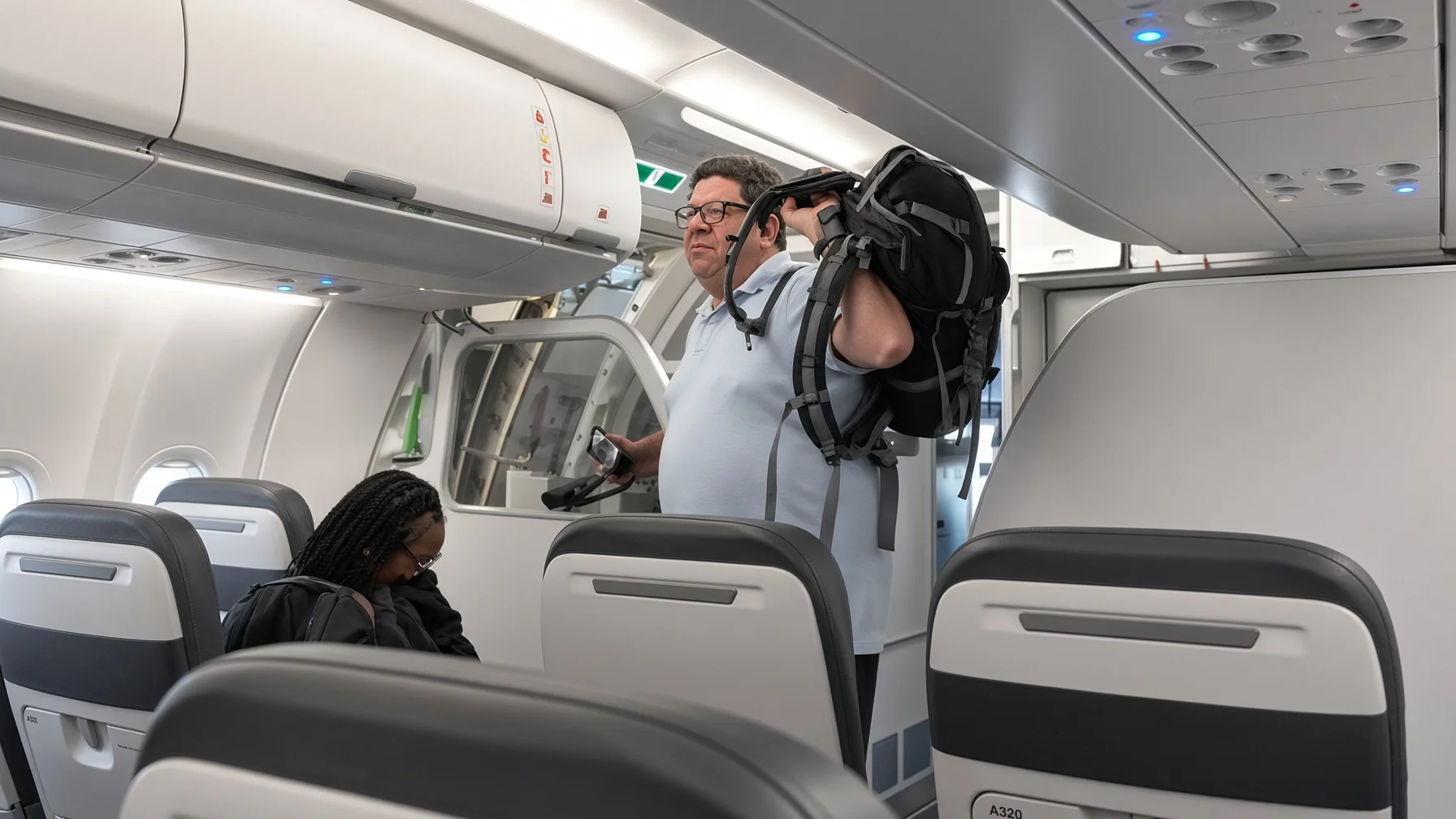
A recent incident aboard a Frontier Airlines flight highlights ongoing issues surrounding service animals. Passengers experienced a significant delay when a large dog reportedly defecated on a woman’s feet shortly before the flight was scheduled to depart from Dallas-Fort Worth to Baltimore. This isn't just a mishap; it reflects larger systemic problems in how airlines manage service and emotional support animals. The incident led to a wait of over three hours while airline staff handled cleanup, a situation that indicates challenges both in policy and execution.
Public Reaction and Social Media Buzz
The situation drew considerable attention on social media, igniting a wave of commentary and debate. A video circulating on Instagram showed a man exiting the aircraft, gesturing toward other passengers and expressing frustration. The post, marked by the blunt caption, “He 💩 on her foot,” succinctly captured the embarrassing and unfortunate nature of the event. Such incidents rarely stay confined to the aircraft; they often spill into the public domain, sparking discussion about the broader implications of service animal regulations. Social media platforms have become amplifiers for these conversations, giving voice to both those defending the rights of legitimate service animals and those expressing frustration with the resulting chaos.
Policy Implications: Service Animal Misuse
According to a separate account shared in the Frontier GoWild! Pass Holders group, the 9:25 a.m. flight faced delays for more than an hour and a half as the airline grappled with how to address the incident. Such mishaps raise critical questions about current policies surrounding service animals, especially as emotional support animal exemptions have become more stringent in recent years. The spectrum of what constitutes a service animal has changed, leading to a confusing environment where legitimate needs can sometimes be overshadowed by those exploiting the system.
This isn't a one-off event. Passengers continue to have incentives to misrepresent their pets as service animals. It helps them avoid fees, or worse, restrictions that come with traveling with pets in a carrier. My own experience on a Delta flight resonated as a reminder of the complexities tied to this issue. The flight had to return to the gate due to a documentation issue with a passenger’s dog, resulting in a cascade of delays that left many passengers feeling frustrated. These types of occurrences can easily spiral out of control, creating an atmosphere of tension long before takeoff.
Frontier's Response: A Mixed Review
Frontier Airlines' official policy considers “urinating or defecating in the cabin or gate area” as disruptive behavior, which can warrant denial of boarding for service animals. This formal stance aligns with federal regulations aimed at maintaining a comfortable environment for travelers. Yet, it begs the question: Is this approach enough? In light of the recent backlash, it’s refreshing that Frontier took prompt action to address the issue, especially when compared to a Delta incident where a passenger was instructed to clean up after their dog. But does this proactive stance overshadow the policies that allow such situations to occur in the first place?
Passengers deserve to travel without having to endure persistent bad odors or unclean environments. Frontier’s attention to cleanliness is a step in the right direction, but it also highlights the shortcomings that exist within the broader approach to handling service and emotional support animals. This issue has been a hot topic among travelers, and as airlines continue to respond, the expectation for superior management is only growing.
Behavioral Indicators: Distinguishing Service Animals
To identify potential misuse of service animal regulations, it pays to be observant. One might notice specific behaviors, such as owners speaking to their pets in overly affectionate tones, the presence of pillows, or multiple animals accompanying a passenger. These indicators often suggest the presence of emotional support animals rather than bona fide service dogs. Yet, the challenge remains: how do we enforce clarity without undermining the legitimate needs of those who require service animals?
Future Outlook: The Airline Industry's Challenge
The implications of this incident extend far beyond a singular flight. If you're working in this space or are a frequent traveler, this should resonate with you. The airline industry faces a crossroads in defining and enforcing policies around service animals. With growing public scrutiny, airlines will need to implement clearer guidelines that not only protect the rights of those needing service but also ensure the comfort of all passengers. What happens next will set a precedent for how similar incidents are managed and perceived.
As this discussion unfolds, it reveals a critical understanding of the balancing act that airlines must perform. Clear regulatory frameworks alongside sensitivity to passenger needs can pave the way for more effective handling of such challenging situations. At stake is not just passenger comfort but also the integrity of service animal designations themselves. And this is the part most people overlook: the focus should be on establishing a practical system that meets genuine needs while curbing misuse. The conversation is just beginning, but the stakes have never been higher.

Discussion
Sign in to join the discussion.