Hyatt guests are being targeted by phishing scams via WhatsApp, with messages incorporating their actual booking details to verify reservations.
Scams Targeting Hyatt Guests: A Closer Look
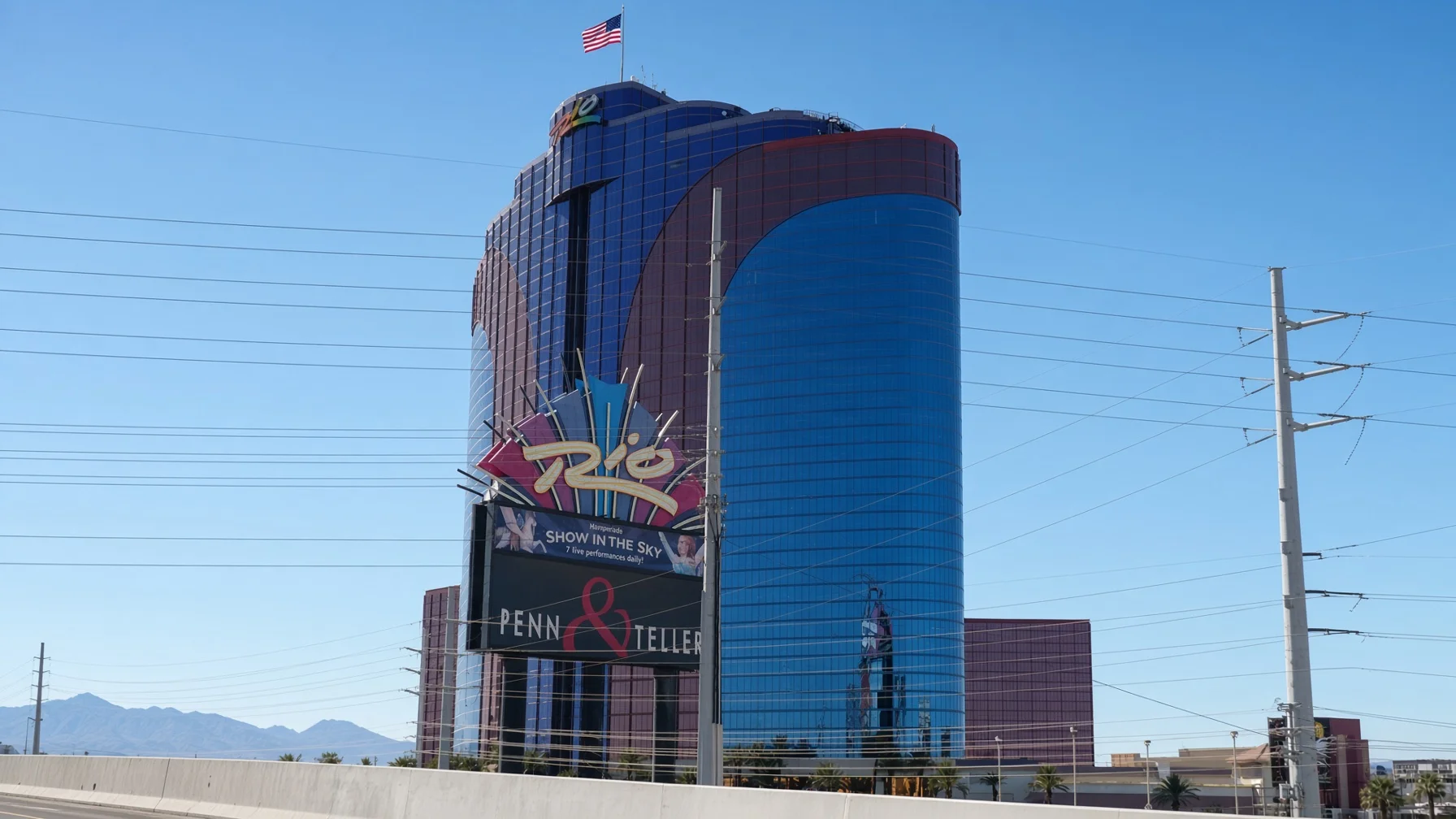
Recent reports reveal that guests who booked stays directly with Hyatt are receiving WhatsApp messages that feature their real names and stay dates. These messages threaten to relinquish their accommodations unless the recipients confirm their reservations within a 24-hour window. Interestingly, these scams appear to originate primarily from the Rio Las Vegas property. In one notable case, a guest noted they had made their booking using a free night award through Hyatt’s app. This detail not only highlights the variety of reservations that are being exploited but also raises questions about how such specific information is accessed by scammers.
The Mechanics of Deceptive Verification
The messages appear to be part of a deceptive verification scheme that exploits genuine reservation details—information so real that it disarms the recipients. Several individuals have shared similar experiences on platforms like Reddit, emphasizing the alarming authenticity of the personal information involved in these scams. One guest’s screenshot detailed a check-in date of December 31 and a check-out on January 1, instructing them to confirm their bookings with a false sense of urgency. Such tactics are clever; they create a psychological pressure that manipulates users into acting quickly without thinking.
No payment will be taken; any temporary hold will be released immediately. Completing verification may involve approving a push notification or text on your phone.
Please confirm within 24 hours to secure your room, else it may be available to other guests.
This urgency is a hallmark of phishing attempts. The pressure to confirm quickly overrides critical thinking. Guests are often unaware they could be entering sensitive information into a fraudulent portal. The wording is engineered to sound reassuring—many people mistakenly assume that legitimate messages would never contain threats about losing their reservations. It’s a clever manipulation that exploits common anxieties associated with travel.
The Phishing Tactics at Play
Notably, the message provided buttons labelled for confirmation or cancellation, leading to a suspicious link that directs users to comfirmation22019403[.]co. The sender, Pinnacle Teleservices, adds a layer of credibility but lacks context since the property is simply mentioned as “Hotel.” This tactic is aimed squarely at leveraging the trust that individuals have in established brands; they think, "It’s coming from a legitimate source." This sense of authenticity can have dire consequences, as shown in other scams where individuals willingly provide sensitive information.
This incident reflects a broader trend in which scammers utilize real hotel reservation data to phish for sensitive information. For instance, Singapore police have warned of similar scams, where victims are misled into believing they must verify their card information using legitimate booking details. The promise of a harmless confirmation process often conceals more nefarious intent since scammers aim to finalize unauthorized transactions.
Data Security Concerns in Hospitality
An analysis of this issue elicits questions regarding data security within Hyatt’s booking protocol. While direct bookings are expected to minimize data leakage, hotel systems must still interface with various software, staff accounts, and service providers. A compromised employee account or third-party vendor access could easily create pathways for sensitive guest information to fall into the wrong hands. Data breaches in the hospitality industry aren't just a concern for hotel chains; they implicate third-party vendors, whose security practices often remain opaque.
The authenticity of these scams becomes more treacherous given that attackers can obtain specific details like names and travel dates, making their requests incredibly believable. Discussions in online forums suggest that similar breaches have affected other platforms like Booking.com and Agoda, with victims reporting security compromises at various hotels. This suggests a systematic issue impacting multiple players in the industry, reinforcing the idea that no platform is immune to vulnerability.
Legitimate Services or Malicious Operations?
Interestingly, Pinnacle Teleservices does operate as a genuine WhatsApp business messaging provider. While some hotel properties utilize this platform legitimately, guests are urged to remain cautious. Should you receive any messages regarding your reservation, it’s prudent to confirm with the hotel using the contact information provided in your original confirmation or through the Hyatt app—never engage with unsolicited requests for sensitive confirmations. This cautious approach might feel tedious, but considering the overall rise in scams, it's more necessary than ever.
Implications for the Hospitality Industry
As this growing trend of reservation-related phishing scams becomes evident, it emphasizes the necessity for industry stakeholders to bolster data security measures to protect against such malicious schemes. With the potential for substantial financial and reputational damage at stake, vigilance and verification remain critical for both guests and hospitality providers. What this means for you, if you're working in this space, is that a layered security approach is essential. From employee training to consumer education, everyone must play a role in thwarting these scams.
Scams will only grow in sophistication. As personal information becomes more accessible, the hotel industry must innovate in its security strategies. The stakes are too high for complacency. Without proactive measures, trust between guests and hospitality providers could erode significantly.

Discussion
Sign in to join the discussion.