Josh Wander, the co-founder of 777 Partners, pleads guilty to a $500 million fraud, tying misleading financial practices to failed airline investments.
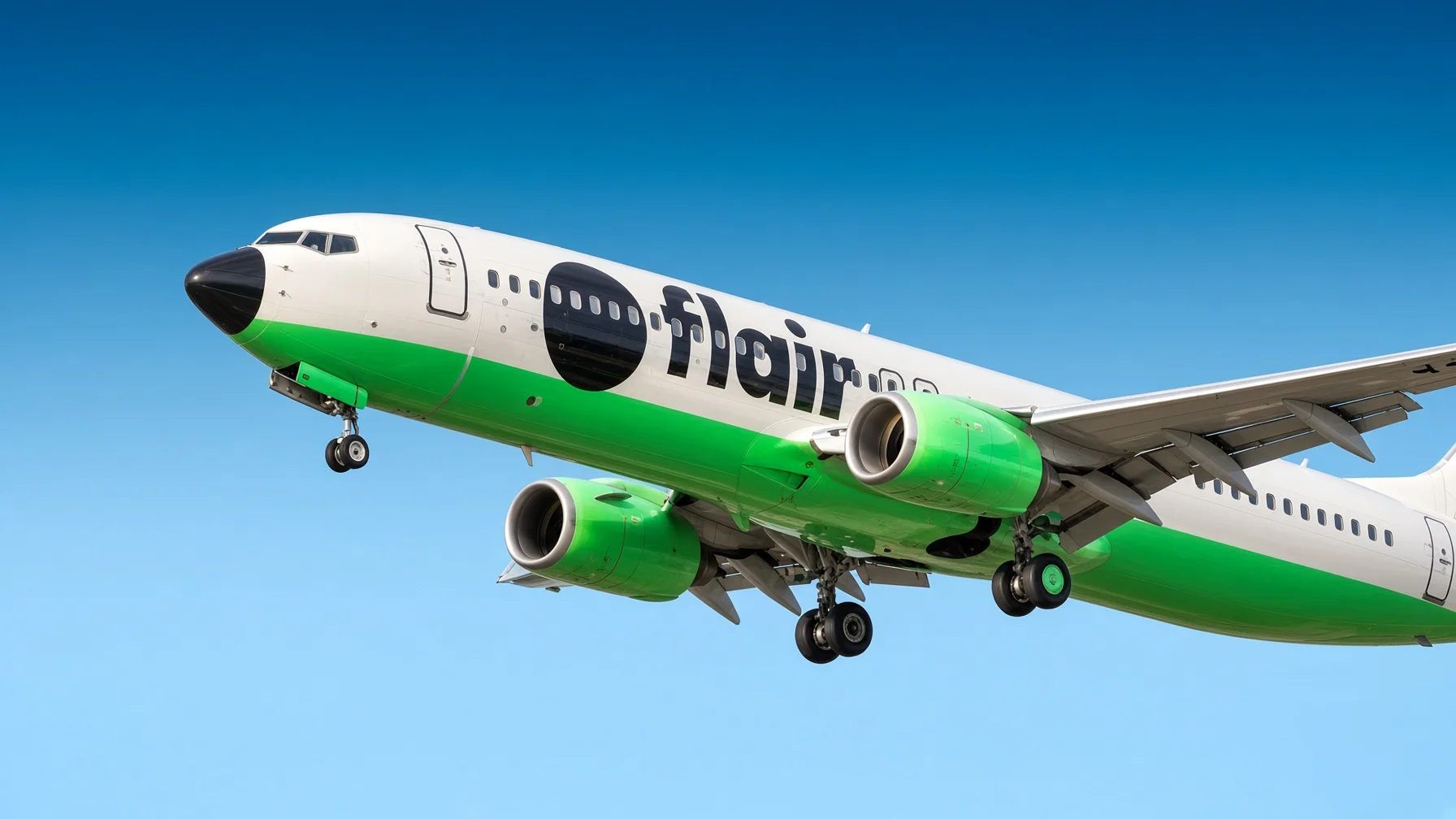
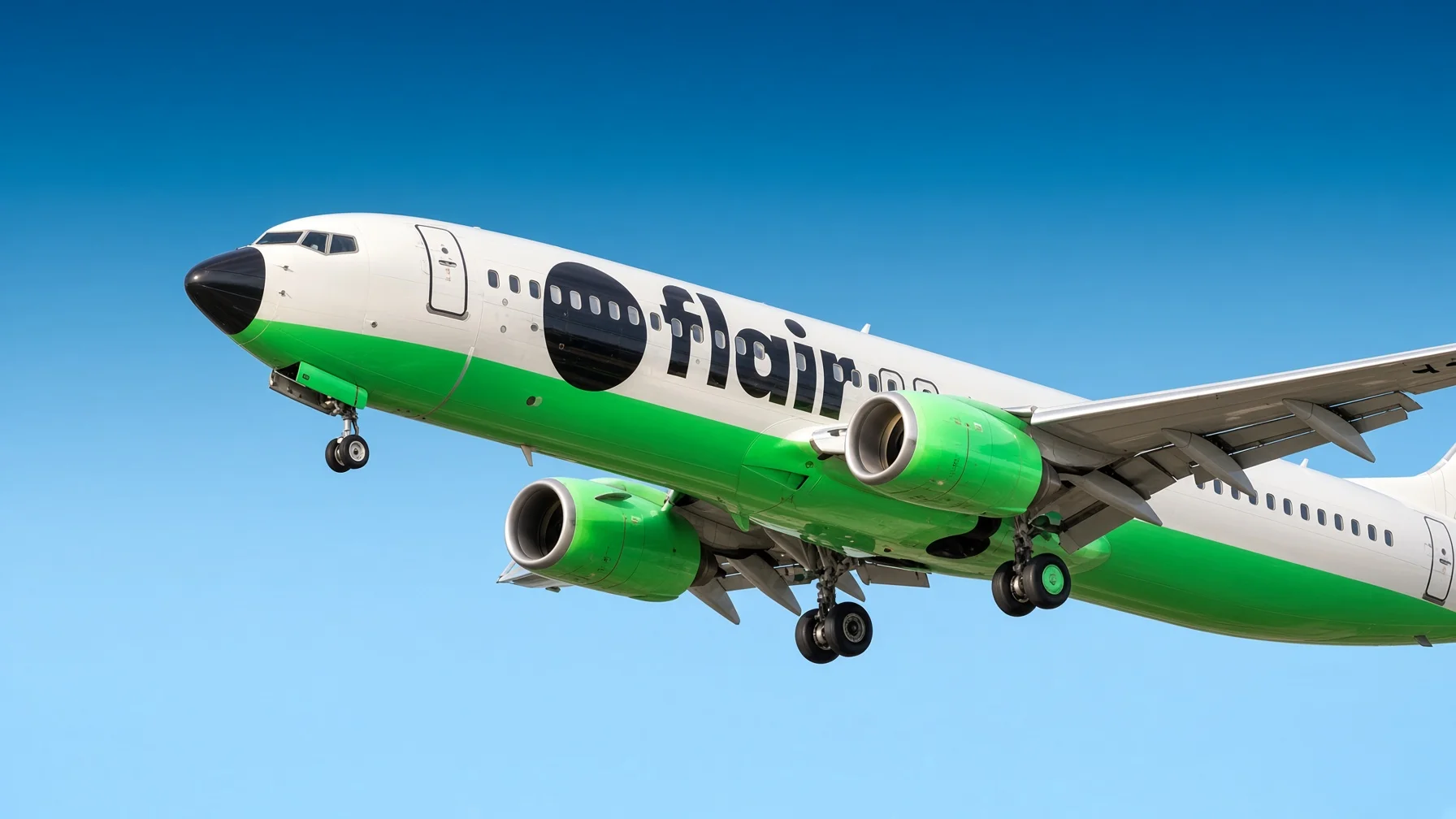
Josh Wander, the 45-year-old co-founder of 777 Partners, has admitted guilt in a massive fraud scheme involving $500 million, linking the scandal to the airline industry's recent turmoil. The Miami-based financier, who has been associated with ventures like Australia’s Bonza and Canada’s Flair, entered his guilty plea on wire fraud and securities fraud charges, agreeing to forfeit a minimum of $500 million.
Wander's plea deal lays out a potential sentencing range of 27 to 40 years, pending the judge's decision on March 1, 2027. This development raises significant questions about the financial operations at 777 Partners, which had aimed to establish a network of budget airlines globally through bulk aircraft orders.
Financial Deception and Mismanaged Investments
In March 2021, Boeing announced a notable deal with 777 Partners involving 24 MAX 8 jets, with future rights for an additional 60 aircraft. By July 2022, the partnership had grown to include commitments for up to 134 aircraft. However, this rapid expansion masked troubling practices underneath.
Evidence surfaced indicating that 777 effectively acquired $40 million from lenders while lacking the assets it claimed to possess. Reports indicated that a complex web of financial manipulation was at play. Bank statements were allegedly altered, while assets were pledged multiple times—a practice known in finance jargon as “double pledging”—to secure funding without sufficient backing. This approach raises important questions about accountability within 777's operations.
Misleading Stakeholders and Concealed Losses
A startling example of the deception involved creating a fake screenshot with Microsoft Paint, showcasing an inflated bank balance of approximately $8 million in cash. In reality, the actual balance was under $500,000. That discrepancy might sound like a petty retail scam, but in the high-stakes world of finance, it indicates a deeper rot.
Wander's explanations fell flat. When confronted with evidence, he attributed the discrepancies to outdated computer systems—a claim that, frankly, lacks credibility. Such excuses reveal not just a potential lack of organization but possibly a complete disregard for transparency and truthfulness.
As 777 Partners actively sought to attract investors, it marketed a $237 million preferred-equity offering, banking on the promise of a sustainable 10% annual dividend. Here's the thing: while this sounds enticing, the reality was far different. The firm concealed substantial financial overextensions detailing how a significant portion allegedly benefitted Wander personally. This practice not only damages the integrity of the company but also jeopardizes the trust of all stakeholders involved.
Expansion and Bankruptcy
Wander's ambitions extended beyond airlines; 777 Partners also invested in football clubs and the entertainment sectors. You'd think that diversification would strengthen the company, but financial strains kept mounting. Eventually, the group filed for Chapter 11 protection in August, exposing around $2.7 billion in financial obligations—a staggering figure that underscores systemic failures in governance and oversight.
Despite launching commercial flights in early 2023, Bonza faced operational difficulties and ceased services by April 30, 2024, when all aircraft were repossessed. Management’s earlier optimism for near-term profitability vanished, collapsing under investigations that revealed poor budgeting and excessive operational costs. Those investigations did more than just scratch the surface; they uncovered significant operational oversights that had dire consequences.
Reports from the administrators showed repeated financial losses—an alarming indication of the inherent issues at 777 Partners. They highlighted insufficient funding from Wander's firm and disastrous distribution strategies. For many in this space, these revelations are a stark warning of the risks tied to hasty expansions and flashy promises lacking real substance.
This situation reflects a troubling trend of overreaching without due diligence, a pattern that had promise but ultimately delivered chaos for stakeholders and investors alike. The impacts are likely to be far-reaching; investors and partners are now left picking up the pieces.
Implications and Future Outlook
The ongoing repercussions of this fraud scandal will likely shape the future of associated businesses and the industries they inhabit. As the February 2027 sentencing date approaches, it's clear that Wander's actions have already created a ripple effect likely to influence airline operations and financial regulation in the sector for years to come. What this means for you, if you’re working in this space, is a heightened scrutiny on financial practices as firms strive to restore credibility and maintain stakeholder confidence.
That said, investors must remain vigilant. The fallout from this case could result in stricter regulations impacting how budget airlines and similar enterprises operate. A potential tightening of financial controls might follow, which could either stifle innovation or force companies to adopt more sustainable, transparent practices in their operations.
Ultimately, the tale of 777 Partners serves as a cautionary one. While ambition is often praised, unchecked ambition without accountability can lead to disaster. The complexities of a globalized industry and the pressure for rapid growth shouldn't overshadow the fundamental principles of transparency and honesty.

Discussion
Sign in to join the discussion.