Qantas plans to retire its A380 fleet by 2028 due to rising fuel costs and an aging aircraft fleet, shifting towards newer wide-body planes.
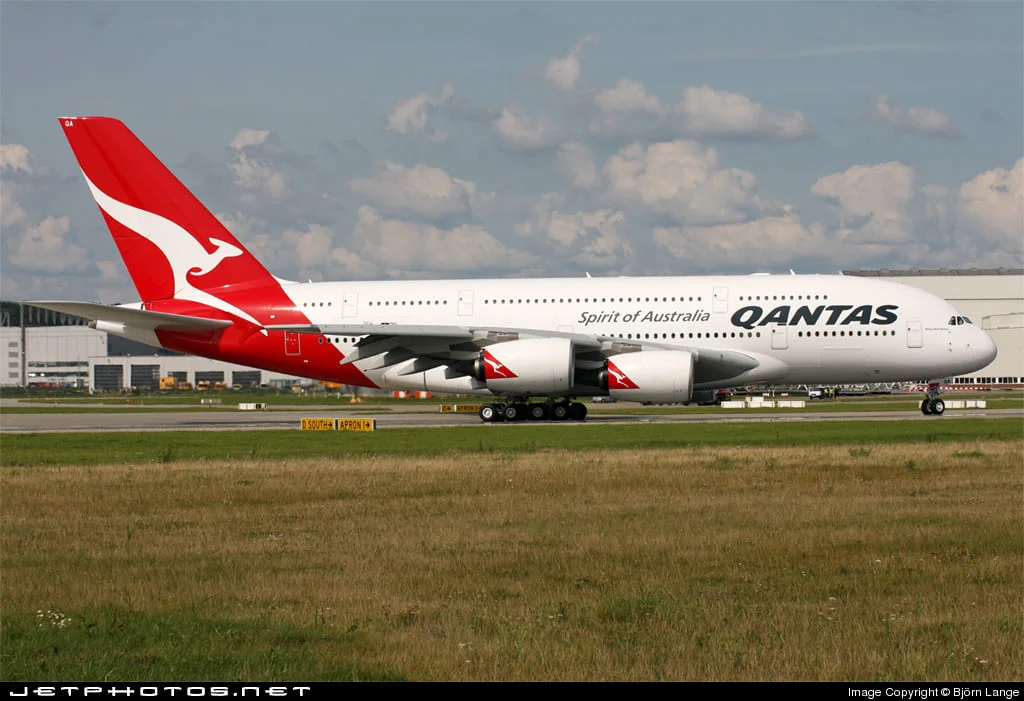
Qantas has officially announced that it will expedite the retirement of its Airbus A380-800 fleet, moving up the original schedule by four years. The decision has been influenced by unfavorable market conditions, including skyrocketing fuel prices due to geopolitical tensions, which have strained the airline's operational efficacy.
During its financial results presentation for August 2026, Qantas revealed that the planned withdrawal from the A380 program, initially projected for 2032, is now on track for a 2028 completion. Key factors in this decision include the airline's struggles with surging fuel costs and the complexity of operating a four-engine aircraft, particularly one averaging 17 years in service.
Phasing Out Begins
Beginning in March 2028, Qantas will start the phased retirement of its A380-800s. The final flight is expected to occur mid-year. With a clear delivery schedule for its upcoming aircraft, particularly the Airbus A350-1000ULRs tied to the ambitious Project Sunrise initiative, Qantas is clearly preparing to transition to a more efficient fleet.
The airline currently has firm orders for 36 new wide-body aircraft, consisting of 12 Airbus A350-1000ULRs, 12 standard Airbus A350s, and a mix of Boeing 787 Dreamliners. There are ongoing discussions within the board to place options for an additional 20 aircraft from both Airbus and Boeing.
A380's Legacy
This strategic shift comes as Qantas reflects on its history with the A380, a model that the airline embraced 26 years ago, when it first announced its order for the Airbus A3XX on November 29, 2000. Qantas made headlines as the first international airline to sign a contract for this model, cementing its plans to replace the aging fleet of Boeing 747-400 aircraft.
The first A380, VH-OQA, made its maiden flight on January 25, 2008, and officially entered service on October 20, 2008, operating the Melbourne–Los Angeles route. A total of 12 Airbus A380s were delivered to Qantas, heralding a new era in long-haul travel for the airline. The A380s, known for their spacious configurations—485 seats divided among First, Business, Premium Economy, and Economy—became integral to Qantas’s long-haul operations.
Current Operations
Despite the challenges posed by the pandemic, Qantas managed a partial return of its A380 fleet by 2022. However, two aircraft were permanently retired in March 2020. As of now, Qantas operates nine A380s, with one aircraft temporarily out of service. The current seating configuration remains at 485 passengers across four classes.
For over a decade, the A380 fleet has been based primarily at Sydney’s Kingsford Smith Airport, serving major international routes to destinations like the United States, Europe, and Asia. The airline maintains a strong emphasis on its North American routes, particularly Los Angeles and Dallas, along with prominent connections to Singapore and the United Kingdom.
Future-Forward Strategy
Looking ahead, Qantas’s decision to phase out the A380s aligns with a broader strategic vision that prioritizes operational efficiency and modern fleet management. As the aviation market continues to evolve, the shift to newer aircraft offers the potential for improved fuel efficiency and lower operating costs—factors increasingly essential in today’s competitive environment.
Qantas is not just retiring the A380; it’s strategically positioning itself at the forefront of airline operations, ensuring it can meet the demands of future air travel while navigating the challenges posed by an unpredictable market.
While the A380 has served Qantas well, the move towards a more streamlined, efficient fleet signals the airline's adaptability in a rapidly changing industry. This transition will surely reshape Qantas’s route strategies and operational paradigms in the coming years.
Overall, the early retirement of the Airbus A380s underscores the airline's response to shifting market dynamics. Qantas appears poised to not only sustain its operations but to thrive as it embraces new aircraft that can better fulfill customer demands while maintaining financial viability.

Discussion
Sign in to join the discussion.