A recent change in US regulations narrows the reasons airlines must cover passenger delays, limiting compensation and amenities available to travelers.
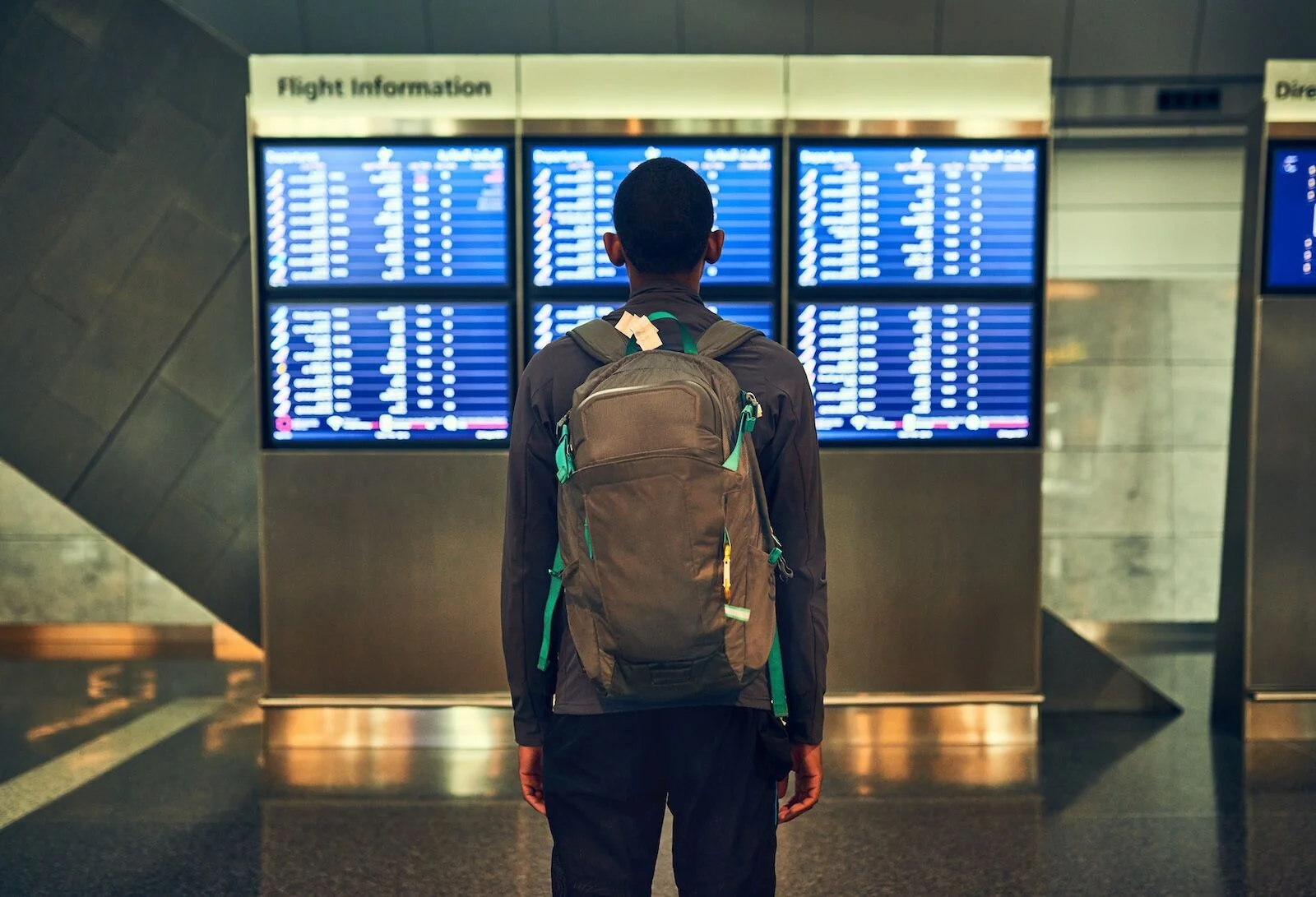
A new federal regulation set to take effect on October 19 could significantly alter how US airlines handle flight delays and cancellations. This change narrows the criteria used to determine when a delay falls under an airline's responsibility, potentially reducing the level of compensation and amenities provided to affected passengers.
Understanding the New Regulation
The Department of Transportation (DOT) has updated the framework for assessing flight disruptions. As outlined in regulations published on September 3, 2026, ten specific scenarios are now classified as "outside the airline's control." This distinction is pivotal; typically, delays attributed to causes within the carrier's control obligate airlines to offer compensation such as meals, hotel vouchers, or rebooking options to affected passengers.
Historically, airlines categorized delays into specific groups, gauging their culpability based on factors ranging from crew scheduling to maintenance issues. The recent rule shifts certain previously controllable factors to an "uncontrollable" category. This shift is in accordance with Section 511(b) of the FAA Reauthorization Act of 2024, which mandates this reclassification.
Implications of Reclassification
The removal of these ten reasons from the controllable list allows airlines to evade obligations arising from delays. The DOT anticipates that this rule will lead to a decrease in the overall value of services and compensation provided to consumers. In simple terms, airlines are now equipped to attribute delays to reasons they can conveniently classify as beyond their control, thus reducing their liability. Critics argue that this regulation skews in favor of airline interests while doing little to safeguard passenger rights.
The Newly Classified Reasons for Delays
The ten reasons that are now considered outside an airline's control include:
- Cleanup required after a passenger-related incident
- Damage from extreme weather or sabotage
- Delays in baggage or cargo loading due to system outages not controlled by the airline
- Cybersecurity incidents if the airline adheres to relevant security protocols
- Unexpected failures of government systems affecting safe flight operations
- Safety incidents causing heated brakes and subsequent emergency procedures
- Unscheduled maintenance deemed necessary by a federal safety directive
- Medical emergencies that require immediate attention
- Removal of disruptive passengers
- Airport closures from natural events like volcanic eruptions or high winds
This classification gives airlines considerable leverage. A brief delay may now be categorized the same way as a prolonged one, allowing airlines to cite passenger medical emergencies broadly and escape accountability. Unscheduled maintenance—previously a trigger for compensation—will no longer count as something the airline must own up to, beginning on October 19.
While airlines will still report the causes of delays to the DOT, there isn’t an independent verification process to ensure these claims are truthful. The DOT relies on the airlines' own reports, monitoring outcomes post-event rather than auditing the data as it comes in.
Travelers' Diminished Protections
The evolving landscape of airline policies suggests a trend toward favoring business interests over consumer protections in the travel sector. As of now, US airlines are not legally mandated to compensate passengers for delays, even those that extend for days. Much of the passenger support stems from voluntary agreements among major airlines that took shape in September 2022, following high-profile service disruptions. The current shift further entrenches these voluntary agreements in a more restrictive framework.
Despite the new regulations, refund protocols remain intact for canceled or significantly delayed flights. Passengers opting out of travel due to disruptions are still entitled to cash refunds, regardless of the reason for the delay. But the expectation and level of assistance when delays arise, particularly with various scenarios now classified as beyond an airline's control, will likely suffer greatly.
For travelers seeking recourse or compensation, options seem limited. Public commentary on the new regulations happened during the drafting process, meaning many stakeholders might feel powerless in shaping outcomes. Domestic travelers are also largely restricted to US carriers, limiting the prospect of choosing airlines with better compensation policies.
International Considerations
For those traveling internationally, different rules offer more comprehensive protections. Notably, Canada's Air Passenger Protection Regulations apply to any flight operating within Canada, mandating airlines to provide immediate support like food and accommodations. Similarly, the European Union’s EC261 regulation ensures cash compensation for travelers facing significant delays caused by a carrier's controllable issues. However, these protections only apply under certain conditions, particularly for flights originating from or traveling to the EU, and do not cover weather-related delays as US regulations often do.
The recent changes signal a shift away from more consumer-centric policies towards accommodating airline operations. Travelers, while still entitled to refunds for cancellations, may find themselves with fewer options when seeking additional support for delays. This regulatory environment prompts a re-examination of how airlines prioritize passenger welfare, raising questions about the balance of interests moving forward.

Discussion
Sign in to join the discussion.