Following a tragic plane crash into CITIC Tower in Beijing, the government has established a vast no-fly zone impacting airspace nearly the size of Italy.
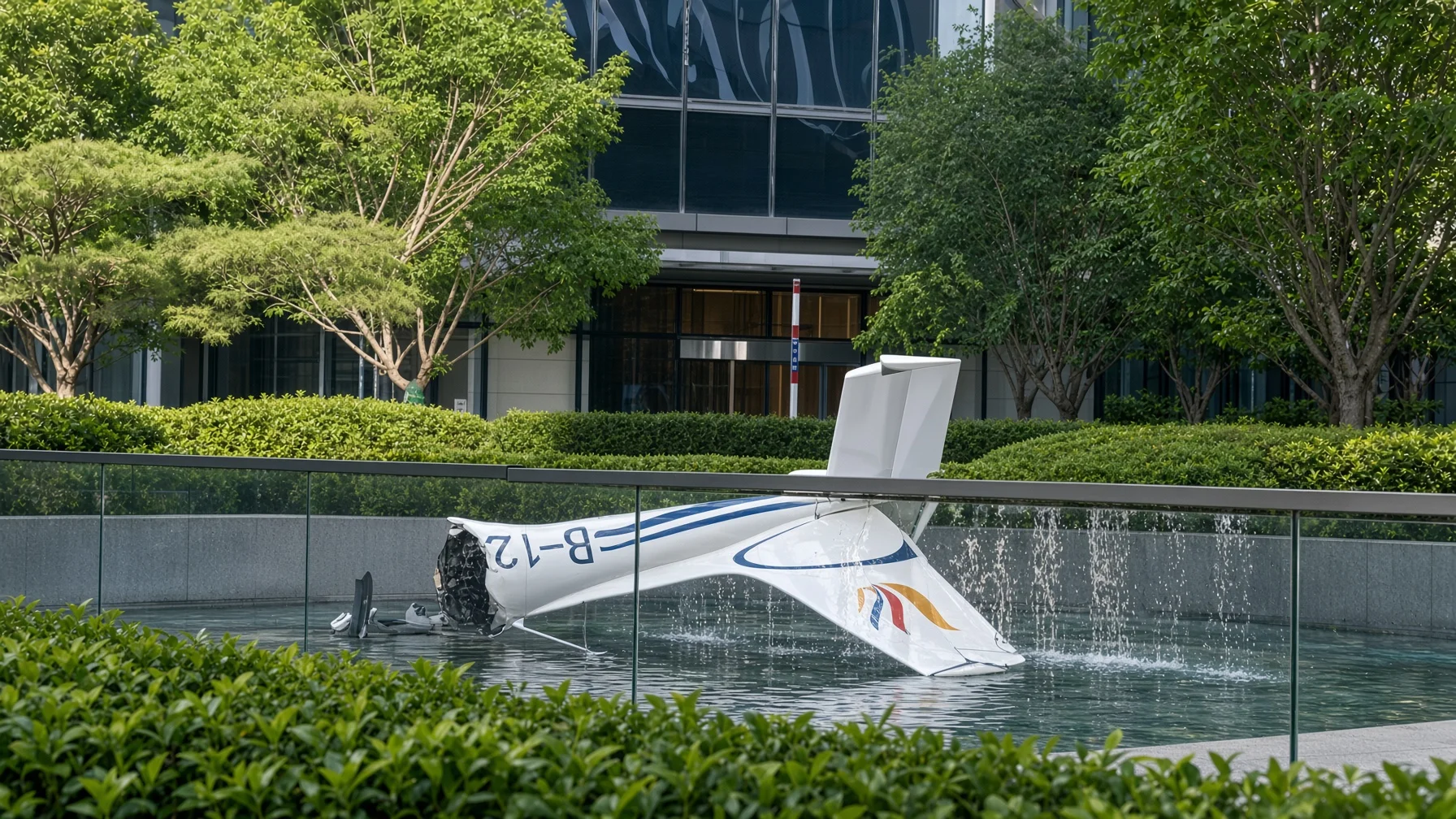
A recent incident in Beijing, where a small plane collided with the CITIC Tower, has prompted the Chinese government to enact a sweeping no-fly zone. The crash, which occurred on June 26, resulted in the pilot's death and injuries to 13 others, raising significant concerns about aviation safety in urban areas. This tragic occurrence has reverberated beyond the immediate consequences, shining a light on broader issues regarding pilot mental health and regulatory effectiveness.
The Pilot's Background
The pilot, a 66-year-old man, reportedly struggled with mental health issues. He had documented his feelings of despair in a diary prior to the incident, highlighting underlying tensions that may have contributed to his actions. Mental health in aviation is often an overlooked topic, yet issues like depression and anxiety can profoundly affect decision-making abilities. If you're working in this space, you know the importance of addressing these concerns. The circumstances surrounding the pilot's mental state raise questions about the support systems in place for those operating aircraft, especially private pilots. Greater awareness and training regarding mental health could be key to preventing future tragedies.
Details of the Crash
The crash site is notable for its prominent skyline presence; CITIC Tower, also known as China Zun, stands at 528 meters (1,732 feet) tall. The impact of a plane crashing into such an iconic structure is hard to overstate. Filming and photography around the accident site were restricted by police, a move that reflects the sensitivity of the incident within the Chinese media. The government's swift action to limit the spread of information indicates a desire to control the narrative and mitigate public anxiety about air traffic safety. Users trying to share details on social media quickly found their posts removed, a reminder of the tight grip that authorities maintain over information dissemination in China.
Government Response
As of now, a 600-kilometer wide no-fly zone has been established, covering more than 280,000 square kilometers. This area includes not just Beijing but also parts of Tianjin, Hebei, and sections of the Bohai Sea. These regulations mark a significant shift in air traffic management in a country that already imposes strict limitations on airspace usage. The sheer size of this no-fly zone indicates the government's readiness to prioritize security over operational efficiency, limiting the accessibility of urban airspace considerably.
While commercial flights are permitted under controlled conditions, private pilots face increased scrutiny. Proposals for more extensive background checks for all pilot license applicants have been made, which will extend to scrutinizing the histories of close family members. This outreach signals a shift towards a more rigorous vetting process, likely driven by the desire to preempt similar incidents. The ambition seems to be tightening control over private aviation in the aftermath of this tragic event. The aviation community is left wondering: how will these changes affect pilot recruitment and operations?
New Regulations on Drones
In a related move, beginning November 15, the municipal government will enforce regulations that bar the possession or storage of drones and their essential components within the city limits. This ban could lead to a significant decrease in drone-related activities among residents who might be compelled either to surrender their equipment or relocate it outside city boundaries. These measures highlight the government’s intention to address potential hazards associated with unmanned aerial vehicles, especially in densely populated urban environments.
The series of changes reveal the government's commitment to bolstering airspace security, attempting to mitigate risks posed by private pilots and unmanned aerial vehicles. This could redefine aviation operations in urban centers known for their complexity and high volume of air traffic. Drones, popular for both recreational and commercial use, now face considerable limitations that some experts argue could stifle innovation in the sector.
Implications for the Aviation Sector
This incident and its subsequent fallout may have far-reaching implications, particularly given China's rapidly growing aviation industry. With a push towards higher security standards, the regulatory framework is likely to evolve, influencing not just private pilots but commercial operations as well. Industry experts are concerned that such tight regulations might discourage new pilots from entering the field. The concern is that a tightening airspace will also inhibit the growth of drone technology, which has been touted as essential for many modern applications.
China’s efforts to reassess its air traffic control measures offer both opportunities and challenges. If the government can strike the right balance between safety and operational freedom, it might bolster public confidence. Yet, if regulations become too oppressive, it could stifle innovation and entrepreneurship in a rapidly changing aviation world. The eyes of the aviation community are now turned towards Beijing, waiting to see how these newly established policies will translate into practice.

Discussion
Sign in to join the discussion.