The TSA is broadening its airport privileges for military personnel and veterans across 33 airports, sparking conversation around equity and efficiency.
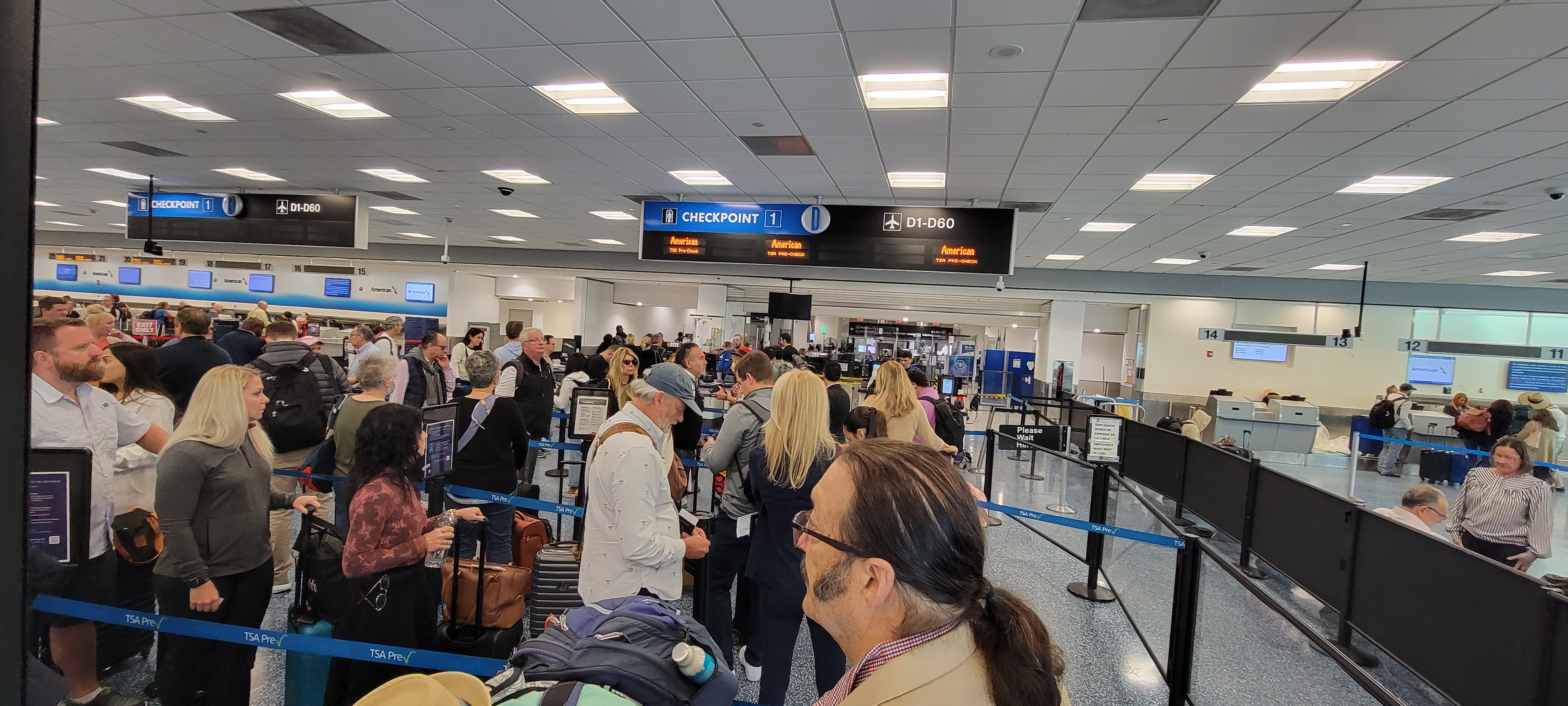
The Transportation Security Administration (TSA) is enhancing the travel experience for military personnel and veterans by implementing priority airport screening across 33 airports. Notably, eligible individuals won't need to be in uniform; simply presenting the appropriate identification can grant them expedited security access.
This recent initiative operates under the banner of honoring the military community. While this approach resonates with a lot of people, it raises questions about the fairness of prioritizing military personnel in airport security lines, particularly for those traveling for leisure or veterans who may not be on urgent business.
Renewed Visibility for an Existing Program
The TSA originally rolled out its “Serve with Honor, Travel with Ease” initiative back on July 2, 2025, in time for the Independence Day celebrations. This program offered free TSA PreCheck enrollment for Gold Star families, a $25 discount for military spouses, and established events to facilitate enrollments near military bases.
Moreover, it provided accelerated screening access for military members at select airports near major military installations. While the core concept has been in place for over a year, the TSA's recent social media activity has reignited interest in the program. On September 15, they posted on platforms like Facebook and Twitter, promoting military lanes at participating airports.
The next day, news articles began circulating widely, with FOX and Yahoo! among the outlets covering the updates, further amplifying the reach of the TSA’s message.
Mechanisms of Priority Access
The TSA's program provides two distinct forms of expedited service:
- A dedicated military lane: Qualifying travelers can access a special queue by showing their proper credentials.
- Front-of-line service: In instances where a dedicated lane isn't available, eligible travelers can notify the lane monitor of their status to gain priority access.
Active-duty military members enjoy the added benefit of free PreCheck using their Defense Department ID numbers, which enables them to bypass some of the typical screening processes—though military priority privileges can still grant them precedence even among those who also hold PreCheck status.
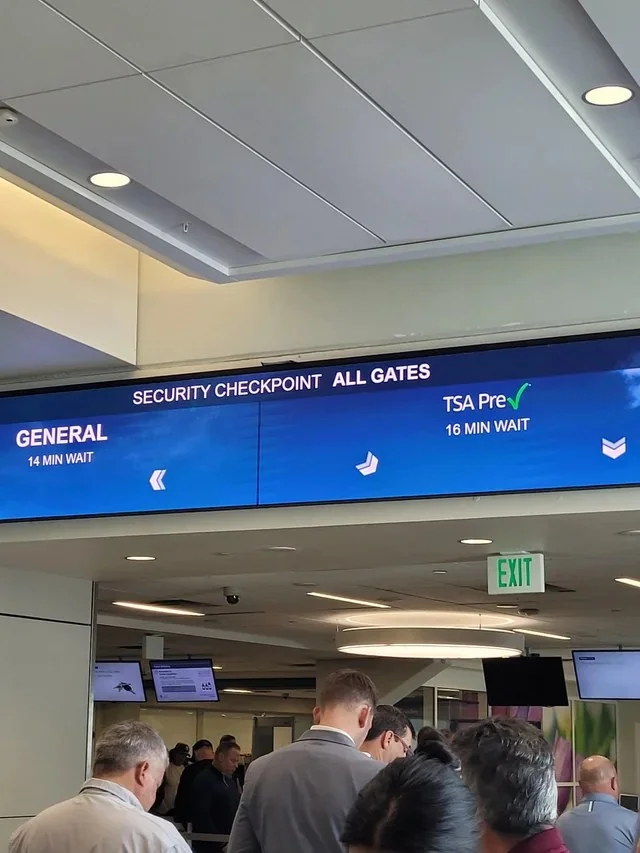
Here are the 33 airports with military priority access:
| Albany | Albuquerque | Anchorage |
| Atlanta | Austin | Birmingham |
| Boise | Casper | Charlotte |
| Cleveland | Columbus John Glenn | Denver |
| Detroit | El Paso | Fort Lauderdale |
| Fort Myers | Honolulu | Jackson |
| Las Vegas | Little Rock | Los Angeles LAX |
| Miami | Nashville | Oklahoma City |
| Phoenix Sky Harbor | Raleigh–Durham | San Antonio |
| San Diego | San Juan | Seattle |
| Sioux Falls | St. Louis Lambert | Tampa |
While Phoenix offers these priority lanes, it's limited to active military members, excluding veterans from this benefit, a distinction that illustrates the varying application of TSA policies across different locations.
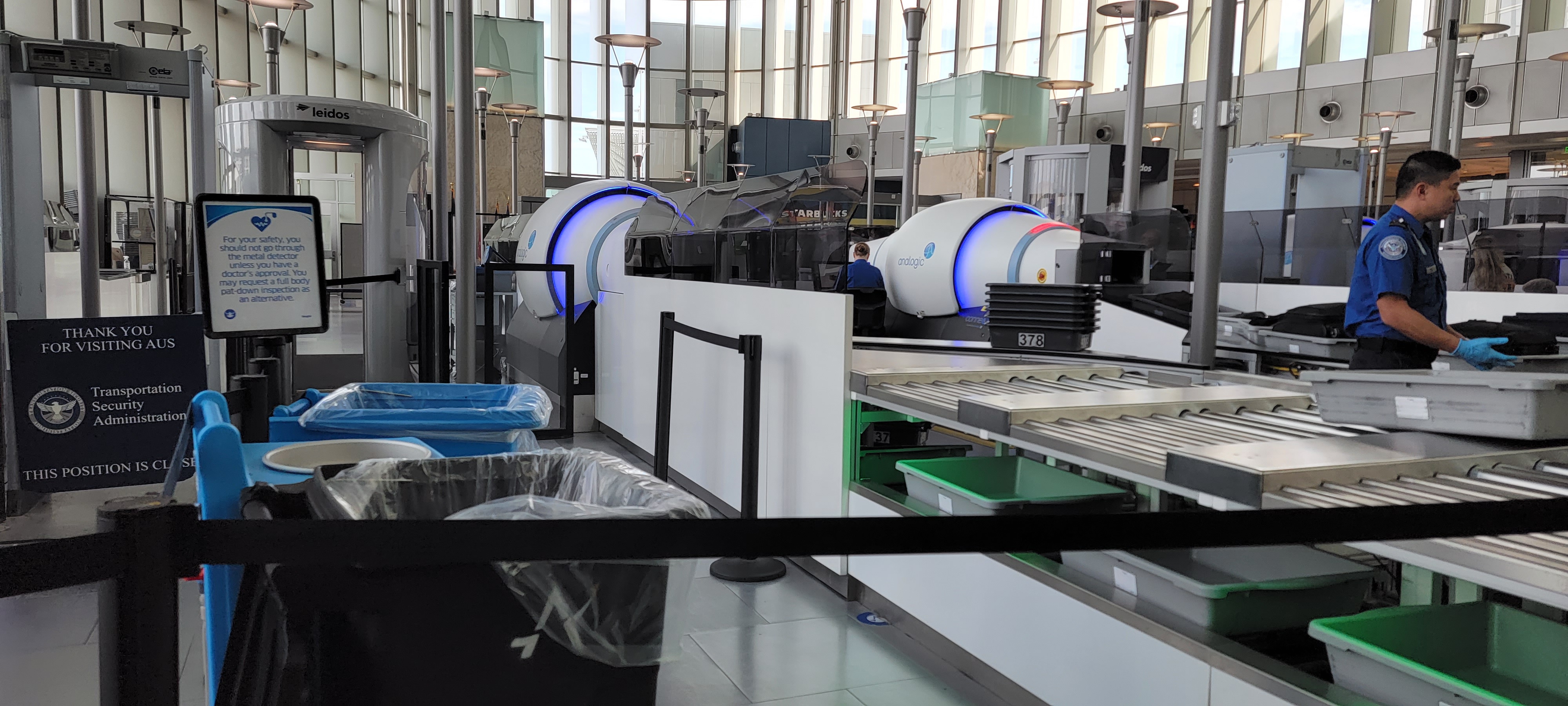
Debating the Rationale Behind Priority Screening
Supporters argue that military service deserves recognition for the sacrifices made, suggesting that even off-duty status warrants special consideration. This view holds that veterans, by virtue of their service, are entitled to certain privileges. However, others challenge this logic, arguing it doesn't justify creating a privileged class at government-operated checkpoints.
- Military readiness: While expediting service members to urgent assignments might make sense, these same considerations don't easily apply to off-duty service members or veterans.
- Security vetting: Existing protocols already ensure passengers meet necessary security standards, raising questions as to why military personnel should bypass those who arrived earlier.
- Public service: Many professions, from educators to first responders, also face challenges and risks, suggesting that prioritizing military personnel could spark demands for similar privileges across various sectors.
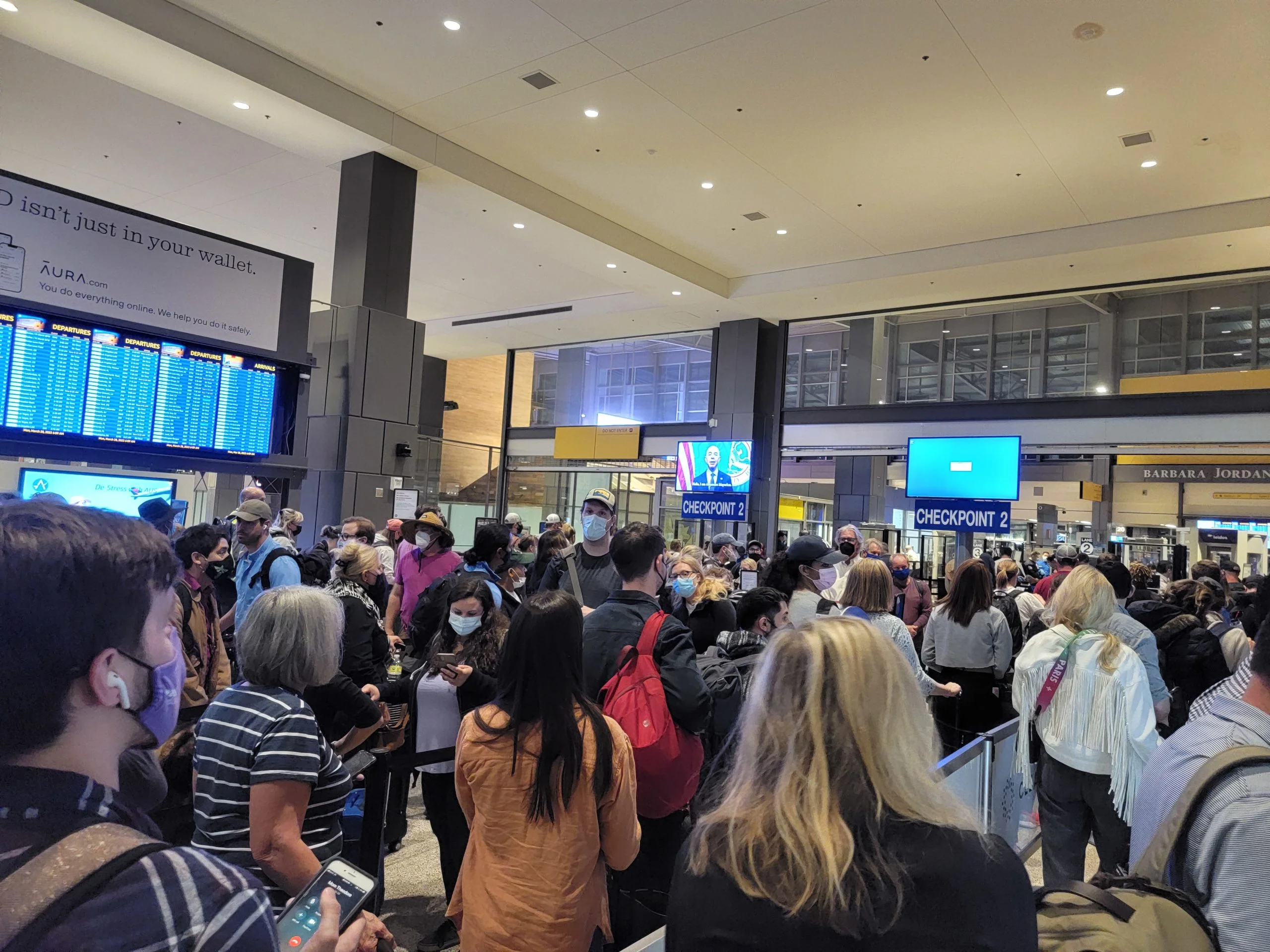
Historically, airlines have influenced boarding and security procedures to maintain customer loyalty, often prioritizing premium passengers. This strategy aimed to minimize delays and keep travelers satisfied, reflecting shifts in how security resources are allocated. The introduction of military lanes may complicate this further by potentially extending wait times for others, particularly if TSA resources are spread thin.
In the end, while this initiative is popular in political circles, the broader implications for airport efficiency and equity among all travelers remain significant challenges. As the TSA takes steps to implement these policies, the potential fallout for general passenger experiences cannot be ignored.

Discussion
Sign in to join the discussion.