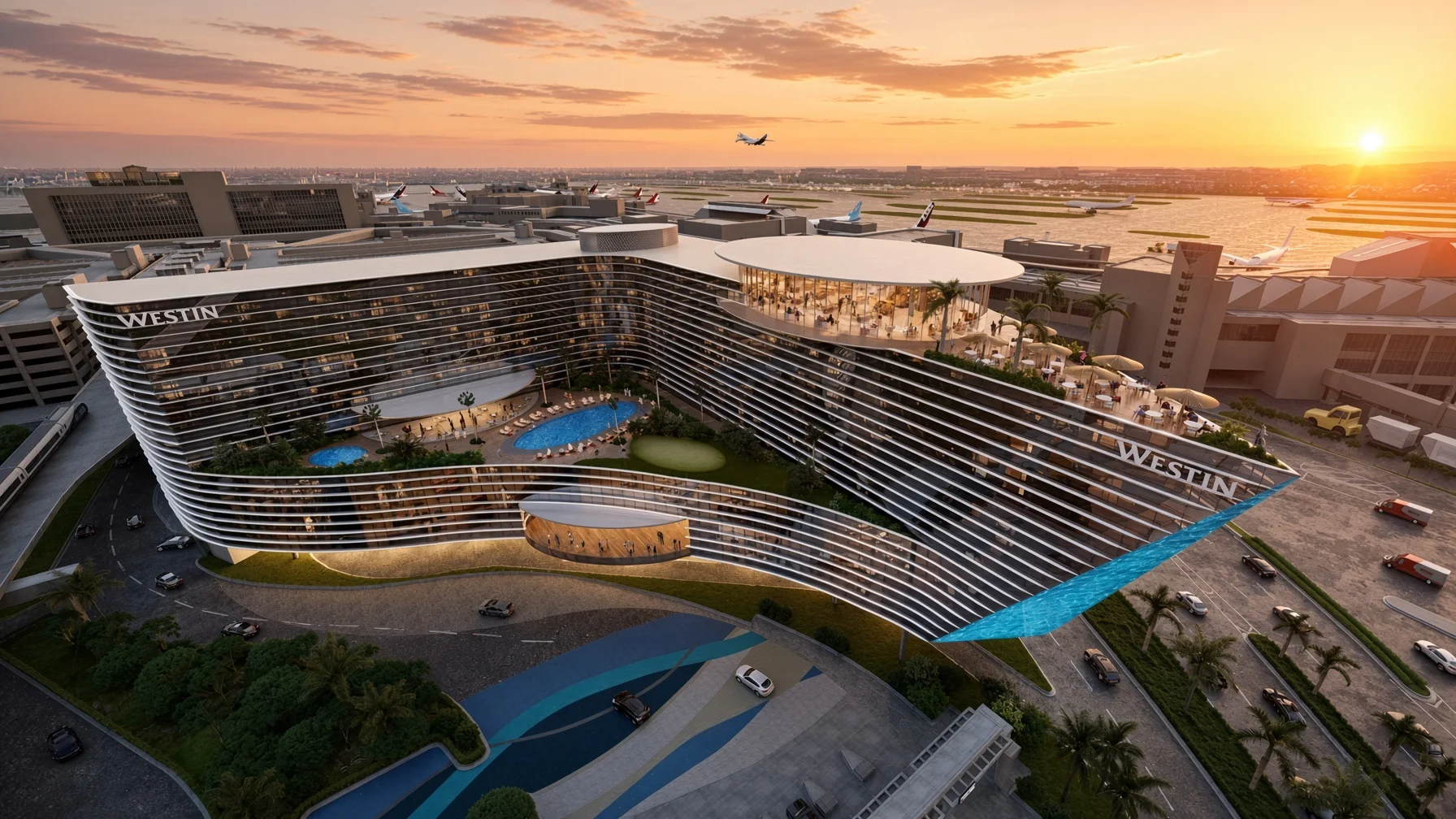
The proposed Westin hotel at Miami Airport has been scrapped after the FAA raised concerns about a potential radar blind spot created by the building.
Key updates from the travel industry:
Miami Airport Hotel Plans Abandoned
- Plans for a Westin hotel at Miami International Airport have been abandoned. Developers opted out following the Federal Aviation Administration's rejection of their proposal due to worries that the 150-foot structure might interfere with radar functionality.
The decision to scrap the Westin hotel project at Miami International Airport isn't just a setback for the developers; it raises questions about the future of airport infrastructure projects in densely populated areas. Miami International Airport is one of the busiest in the country, serving millions of passengers annually. The rejection by the FAA highlights a critical area of concern regarding the impact of new constructions on existing airport operations. Airports are increasingly under pressure to balance modernization and expansion with safety standards. The FAA's role in approving such projects is pivotal, especially regarding how structures can affect aircraft radar and navigation systems. In this case, the developers miscalculated the feasibility of their proposal, likely underestimating the regulatory hurdles. This is not an isolated incident; many similar hotel projects near airports have faced similar scrutiny. If you're working in this space, it's essential to recognize that compliance with federal regulations is non-negotiable, and the investment in planning is just as crucial as securing financing. For Miami, this represents a missed opportunity to enhance passenger experience at the airport. Travelers often seek convenient lodging options right next to airports, and with the growing tourism and business travel in Miami, the need is evident. However, safety must come first, even if it stymies development. The impacts of this decision could ripple out into the broader hospitality industry, particularly for those investing near airport zones.
American Airlines Adjusts Boarding Policy
- American Airlines has declared its intention to reduce involuntary denied boardings. WSJ picked up on my insights about their shift towards a policy that allows volunteers to get seats on fully booked flights.
American Airlines' move to reduce involuntary denied boardings is both a response to consumer pressure and a strategic shift in customer relations. In an industry where customer loyalty can hinge on experiences, minimizing frustrations related to denied boarding is not just good practice; it often reflects corporate philosophy. Historically, denied boarding has sparked outrage among travelers, particularly when it manifests as an involuntary action. By adopting a policy that prioritizes volunteers instead, American Airlines is signaling an understanding of customer sentiments. Passengers are more likely to respond positively when given the option to relinquish their seat for compensation—this could enhance customer satisfaction. Additionally, such policies may help mitigate backlash in an era where social media can amplify grievances exponentially. But this change does not come without risks. The airline must adequately manage the compensation for volunteers while ensuring that overbooking strategies effectively correspond to actual passenger turnout. Here's the thing: overbooking is standard practice for airlines, allowing them to optimize profits despite the inherent unpredictability of travel. That said, if not calibrated correctly, reliance on volunteers could lead to situations where not enough passengers step up, forcing the airline into the predicament it sought to avoid. It's a fine balance and one that will require careful monitoring. What this means for you, as a frequent flyer: the chances of being called to the desk in frustration might decrease, but you'll want to be aware of how compensation is structured. It's advantageous for consumers to understand the nuances and potentially negotiate better terms should they find themselves in a situation needing to relinquish their seats.
Charlotte Airport Expands with New Lease Agreement
- In Charlotte, a new airport use and lease agreement has been established. This deal includes developing additional gates at the new Concourse C and a passenger tunnel linking it to the main terminal.
The newly inked airport lease in Charlotte reflects a growing trend among American cities to upgrade airport facilities to accommodate rising passenger volumes. With air travel rebounding post-pandemic, many airports are racing to enhance their infrastructures to ensure an optimal traveler experience. This usually translates into more gates, upgraded terminals, and seamless connections—all factors that can affect a city’s attractiveness as a travel hub. Charlotte Douglas International Airport is a significant player on the east coast, serving as a major hub for American Airlines and other carriers. The enhancement of Concourse C, including additional gates, indicates foresight in anticipating passenger growth. A direct link between this concourse and the main terminal via a passenger tunnel only adds to the convenience factor, allowing smoother transitions for travelers. Airports with up-to-date facilities frequently see increased passenger growth rates. That's because customers usually gravitate toward airports offering the best amenities, efficiency, and accessibility. This development might stir up interest from low-cost carriers, which often seek out new routes in airports willing to welcome and accommodate them. Moreover, an airport's ability to manage these developments effectively is vital. An effective expansion project can spur localized economic opportunities, but mismanagement can lead to construction delays and budget overspending. Any successful airport must plan carefully—not just for today but with an eye toward future demand and changing industry conditions.
Cathay Pacific Adjusts Award Availability
- Cathay Pacific has also halted the booking and modification of Japan Airlines awards, indicating a tightening of award availability.
The suspension of booking and modification for Japan Airlines awards by Cathay Pacific brings attention to the dynamics of airline loyalty programs and award availability. This decision could be seen as a strategic maneuver to manage limited seat inventory on popular routes while maintaining profitability. Airlines have faced significant operational challenges in the wake of the pandemic, and limiting awards can help mitigate losses on overflow routes. Such moves hook into broader industry trends where competition among airlines is fierce, yet consumer expectations remain high. Passengers have increasingly turned to loyalty programs to maximize their travel budgets, which has resulted in higher demand for award seats, leading airlines to reassess their allocations critically. And this is the part most people overlook: while loyalty programs are marketed as benefits, they're often structured in ways that protect the airline's bottom line amidst fluctuating travel patterns. A tightening of award availability can sour customer sentiment and diminish brand loyalty, leading to a delicate balancing act. What does this mean for travelers? It suggests the need for increased vigilance when planning travel; if you rely on points for your next trip, you may find it harder to book those coveted seats. As airlines trim benefits and focus on profitability, customers will need to adapt, perhaps seeking alternative carriers or credit card partnerships for better rewards synchronization. In closing, while each of these updates represents a specific piece of the travel industry puzzle, they collectively illustrate the ongoing changes shaping how we fly, stay, and connect in our increasingly mobile lives.

Discussion
Sign in to join the discussion.