Reno-Tahoe International Airport: From History to Future Expansion Plans
Published Aug 17, 2026Reads 513By Sebastián Polito
Reno-Tahoe International Airport is evolving with a live-stream feature and a major expansion set for 2026, enhancing capacity and passenger experience.
Reno-Tahoe International Airport: A Snapshot of Progress
Let's start with a new feature that's worth keeping an eye on: Tahoe International Airport in Reno has now made its way onto our YouTube channel, courtesy of an automated live stream using a CamStreamer camera. This initiative is significant because it allows viewers to catch real-time action at the airport, showcasing the full spectrum of air traffic—from commercial to cargo and general aviation—around the clock. If you're curious about how these automated live streams work, you can get more details at this link.
A Brief History of Stability and Innovation
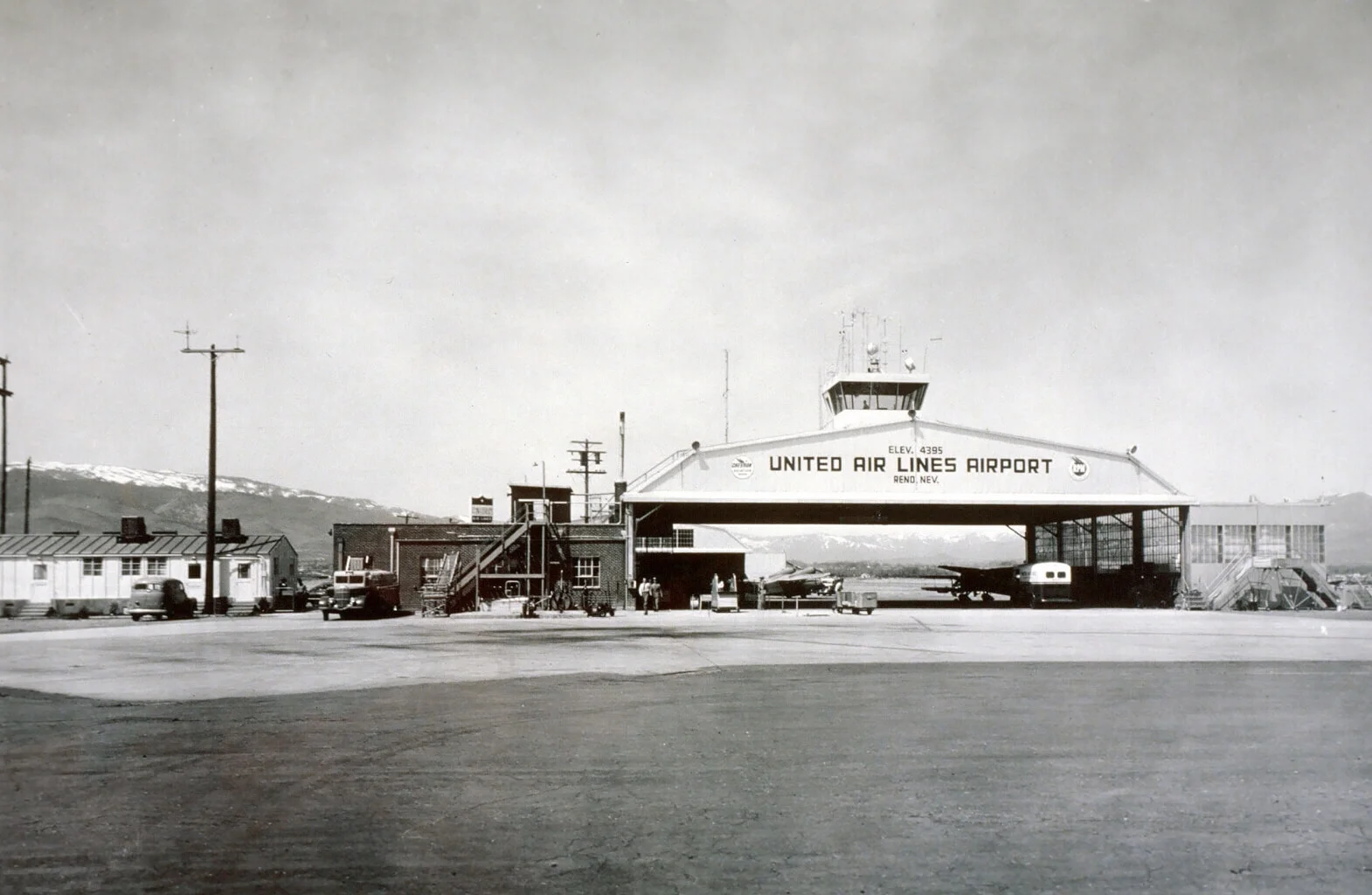
The story of Reno-Tahoe International Airport has roots reaching back nearly a century, beginning in 1927. A pivotal moment occurred that September when famed aviator Charles Lindbergh touched down at what was then Blanch Field. His harrowing experience nearly landing his iconic "Spirit of St. Louis" amid parked vehicles highlighted the airfield's inadequacies. Lindbergh’s public remarks about safety spurred Boeing Transport Inc. to purchase surrounding land in 1928, laying the groundwork for the airport's evolution into a more capable facility designed primarily for airmail operations.
Construction led to the opening of Hubbard Field in 1929. For the following years, the airfield became a key player in commercial aviation. After a brief role as a U.S. Air Force base during World War II, it was later sold to the City of Reno, establishing it as a municipal airport.
Fast forward to the late 1950s, the airport underwent its first significant expansion, adding a passenger terminal in anticipation of the 1960 Winter Olympics, held in nearby Squaw Valley. This upgrade transformed the airport into a major gateway, allowing it to accommodate increased passenger traffic efficiently. The 1960s also saw the introduction of jet aircraft, beginning with a United Airlines flight on a Boeing 727-100 in June 1964. This important upgrade extended the runway from 7,800 to approximately 9,000 feet, which opened new domestic routes, starting initially with connections to San Francisco.
In 1977, the airport took on the name Cannon International Airport, honoring U.S. Senator Howard Cannon's advocacy for aviation development. This renaming set the stage for another rebranding in 1994 to Reno-Tahoe International Airport, aligning it with the nearby tourist magnet, Lake Tahoe.
The Future is Bright: Major Expansion on the Horizon
Come March 2026, Reno-Tahoe International Airport is set to embark on one of the most ambitious expansion projects in its history. Plans are underway for two new terminals costing $650 million, with construction slated to replace existing facilities, bringing the total space from 130,000 square feet per concourse to a whopping 250,000 square feet by 2028 and 2029. This expansion is poised to introduce 24 new jet bridges designed for larger aircraft, such as the Boeing 737 MAX 10, while enhancing passenger amenities.
With around 160 daily operations, which include commercial, cargo, and general aviation flights, Reno-Tahoe has established itself as a regional hub. Last week alone saw around 2,300 movements at the airport, reflecting a steady flow of traffic that indicates its growing prominence.
As these developments unfold, Reno-Tahoe is rapidly adapting to meet the demands of both passengers and airlines while enhancing its appeal as a travel destination. This is more significant than it sounds, considering the airport's critical role in connecting various regions and bolstering tourism in the area.
Evaluating the Current Airline Landscape in Reno
Reno's aviation scene is notably vibrant, especially when you look at the breadth of service provided by various airlines. Notably, Southwest Airlines takes the lead here with an impressive frequency of approximately 175 flights each week, spanning eight routes. This dominance reflects both the airline's strategic positioning and the demand for connectivity to and from this region.
The data reveals interesting patterns among carriers. Delta Air Lines and American Airlines also contribute significantly to the weekly operations, though their numbers don't quite match Southwest's. United Airlines, Alaska Airlines, and newer entrants like JSX further enrich the variety of flight options available to travelers. Each airline's choice of aircraft, from the Boeing 737 series to Embraer models, highlights the diverse approaches to addressing passenger needs and optimizing route efficiency.
Here's the thing: while this variety benefits consumers with options, it also indicates a competitive struggle among carriers to capture market share in Reno. The question moving forward might be whether the current influx of services can be sustained, especially if economic factors or changing travel behaviors come into play.
As you consider how these dynamics affect your travel plans, don't overlook the strategic maneuvers of airlines as they adapt to a fluctuating market. Whether it's through adding more routes or adjusting the frequency of flights, these companies are clearly responding to both demand and competition. Future developments in Reno's airline operations are something to keep an eye on as they may reflect broader trends in the aviation industry.
In summary, while Reno boasts a robust selection of airlines and routes today, the sustainability of this landscape remains to be seen. As the travel industry continues to evolve, so too will the strategies employed by these airlines, making this an area ripe for observation and analysis in the months ahead.

Discussion
Sign in to join the discussion.