Scott Kirby wants United to consider American’s electronic gates, but the equipment may manage access without easing the boarding delays passengers face.
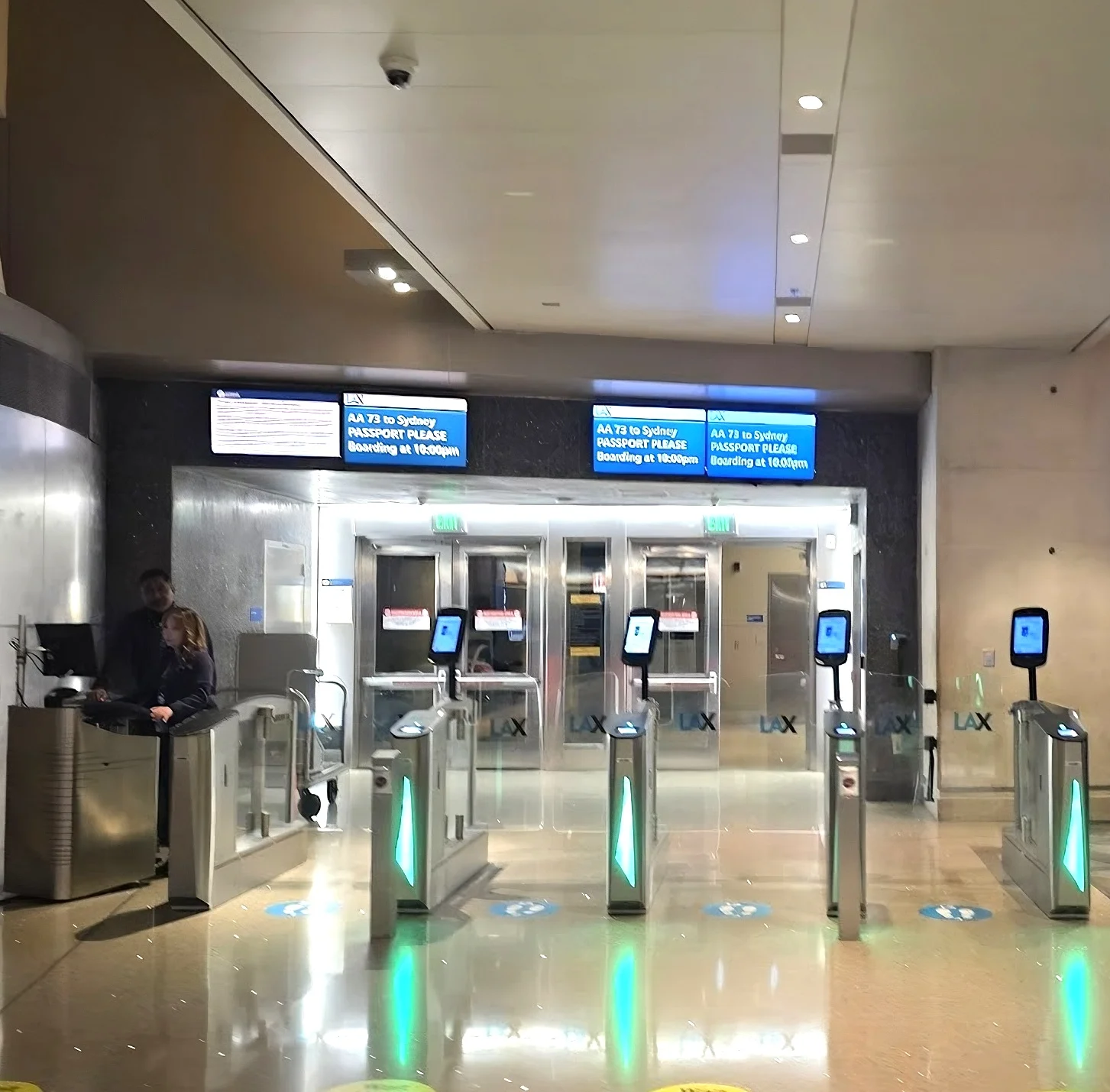
Electronic boarding gates can control who enters a jet bridge, but they don't address every cause of a delayed departure. Crowded overhead bins, bags that need to be checked and passenger groups assembling at the gate can all slow boarding before anyone reaches a scanner. That distinction matters as United CEO Scott Kirby looks to American Airlines’ new gates as a possible model for his own airline: the equipment may organize one part of the process, but its value depends on what happens around it.
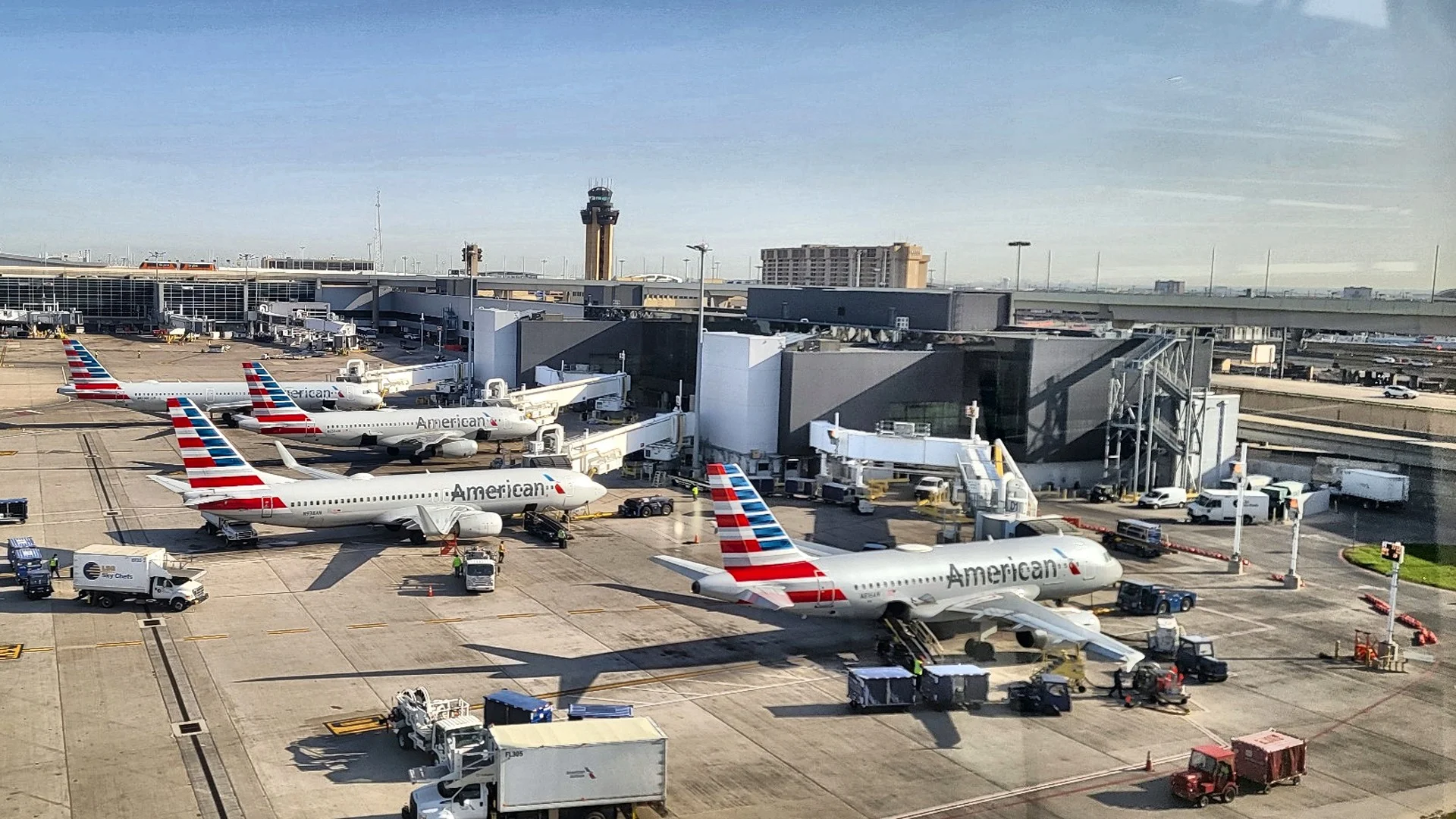
Kirby saw the gates at Dallas Fort Worth International Airport and emailed his team to ask why United wasn't doing the same. His employees told him similar gates were already planned for Houston. He has said he flew American, Delta and Southwest at least three times each over the past year to look for practices United could adopt. Kirby lives in Dallas, where American is a common sight and Southwest operates from Dallas Love Field. That gives him a direct view of competitors’ operations, though seeing a system in use is only the start of judging whether it can improve United’s own boarding process.
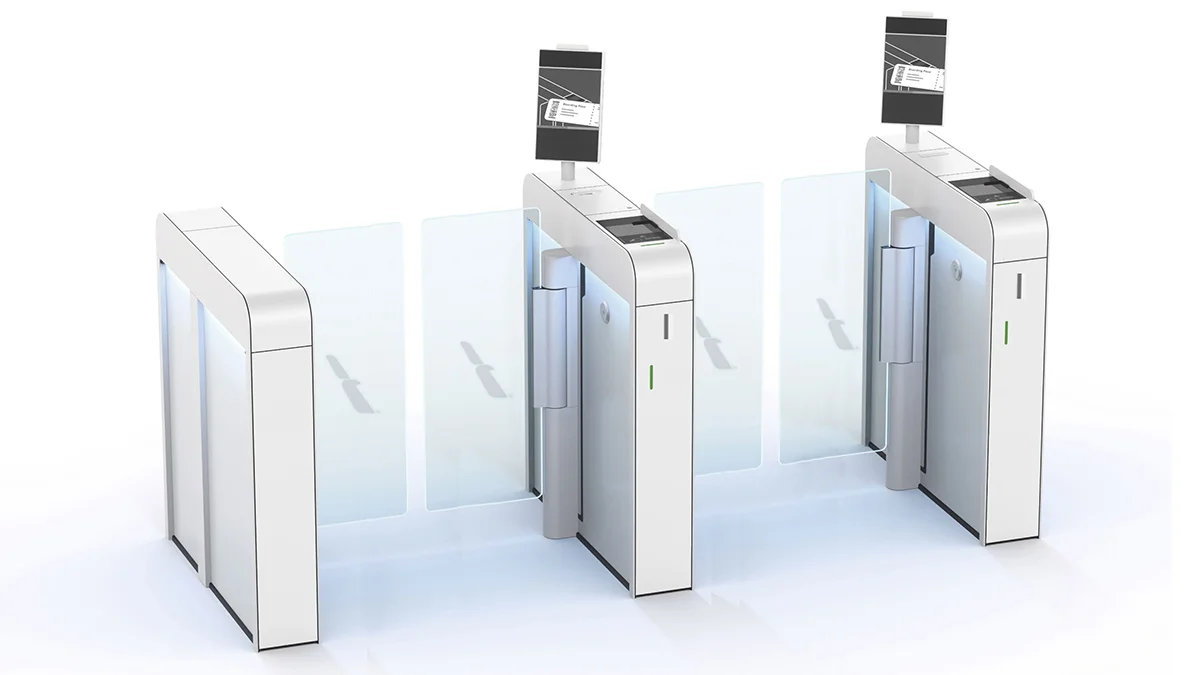
American introduced the gates at all nine openings on its new Terminal C pier at DFW. Glass barriers open after the system validates a boarding pass. The airline says the gates can meter passenger flow onto the jet bridge, reduce manual work for gate staff and give employees more time to help customers. Those are plausible operational goals: controlling entry can keep a dense group from moving onto a narrow bridge all at once, while pass checks handled at a barrier may shift some routine work away from staff.
But the equipment can't remove the work that happens before the scan. If passengers are still rearranging bags, asking about seating or waiting for a family member, a more orderly entrance may simply move the bottleneck a few steps back. This is more significant than it looks: boarding is a chain of small handoffs, and a faster pass check matters only if it helps the whole chain move.
Queue control has limits
The main boarding delays often start before a passenger reaches the scanner. Overhead bins fill unevenly, carry-on bags sometimes need to be checked, families gather for preboarding and standby passengers may need extra processing. Each interruption can hold up the line behind it, even when the gate itself is functioning as designed. A barrier that validates passes and regulates entry doesn't resolve those causes.
Without staff assistance, scanning a pass and waiting for a barrier to open could even take longer for some passengers. A system needs to handle the ordinary variations of boarding: a pass that won't scan on the first attempt, a traveler who needs help, or several people trying to move together. Similar systems typically work best when there's a clear process for resolving exceptions, because a queue can stall quickly when every problem requires someone to step out and find an employee.
Kirby has framed service improvements around families traveling with young children. “I think of air travel for customers through the lens of traveling with small children,” he said. “I have seven kids. I know what it’s like. I’ve tried to make it easy for people to travel with young children because if we do that, it’s going to be great for everybody.” A controlled queue may help keep people moving, but it doesn't by itself make that journey easier. Parents may still be managing bags, strollers and children while trying to keep up with boarding instructions.
Here's the thing: the gate's effect will depend on how it handles the full mix of travelers and bags, not only how quickly it reads a pass. If you're working in this space, the useful question is whether staff gain time to help with exceptions or lose time managing a new point of failure. The distinction can determine whether automation reduces friction or merely relocates it.

Identity checks and privacy
Some airport e-gates use facial recognition, particularly for international departures. In that process, a live image can be compared with a passport or visa photo and the passenger list. If the system can't confirm a match, the traveler may need a manual document check. That fallback matters because an automated check is useful only if the process remains clear when the technology can't make a decision.
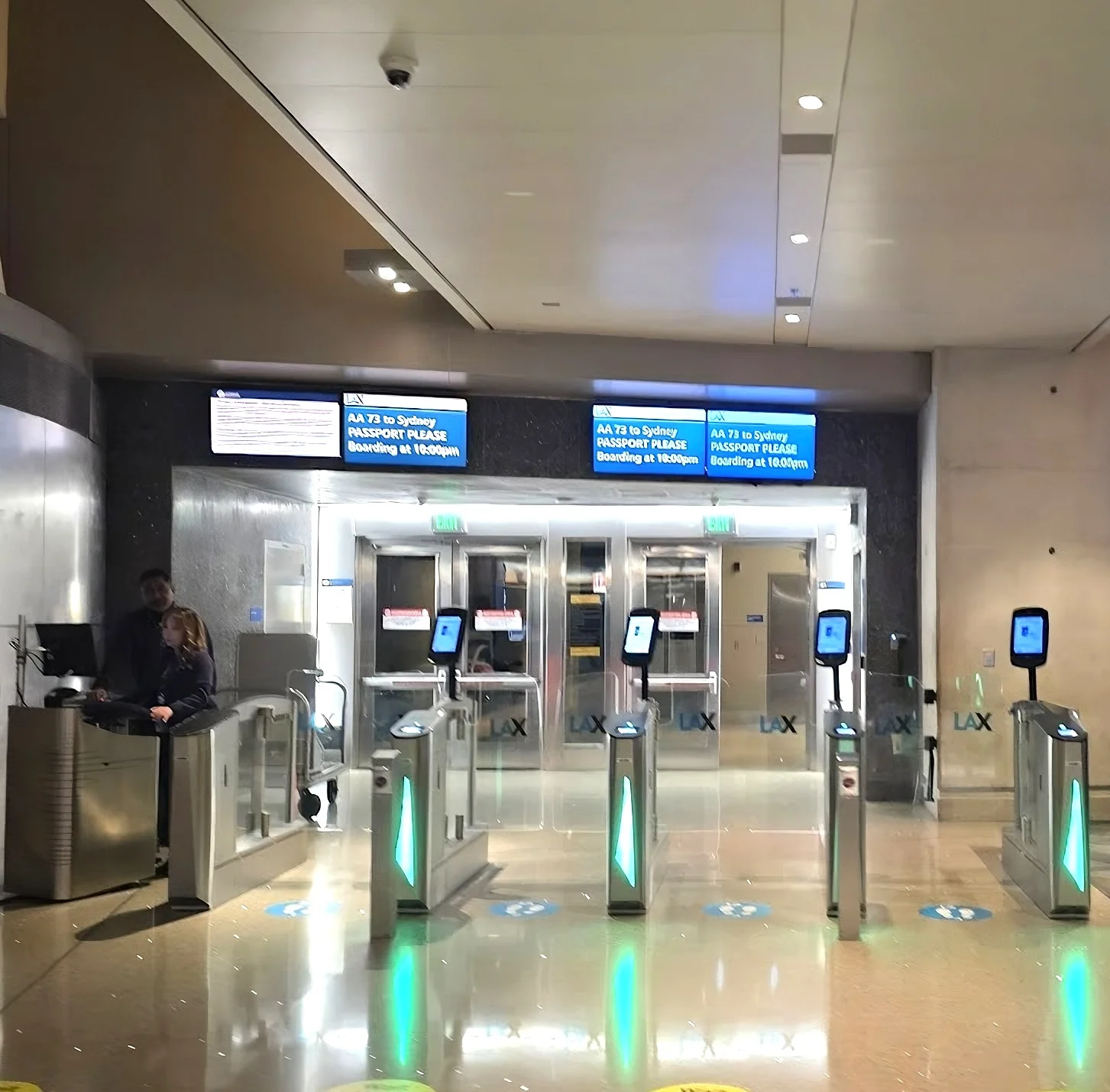
American’s gate manufacturer offers facial recognition as an option, raising questions about where images come from, how often the system makes errors and what happens to photos after processing. The source of the image and its handling are practical parts of the passenger experience, not abstract technical details: travelers need to know what the system is checking, while airlines need a workable route for passengers who cannot be matched. The Los Angeles installation shown here is separate from American’s DFW gates, so it illustrates the broader category rather than confirming which features American has deployed in Dallas.
That said, facial recognition is an option from the manufacturer, and the available details don't establish that American is using it at DFW. The distinction matters when evaluating the installation. Pass validation through a barrier and biometric identity checks are related forms of automation, but they raise different operational and privacy questions.
What United should measure
Kirby’s interest signals that United is watching how American’s installation performs. The useful measure will be whether the gates reduce friction across the boarding process, especially for families and travelers with bags, rather than simply moving the pass check behind a barrier. A more controlled queue could still be valuable if it gives staff more time to handle the cases that need human attention.
And yet, the gates are only one component of boarding. Airlines would need to assess how they interact with preboarding, standby processing, bag checks and assistance at the gate to understand the effect on the full sequence. A smoother entrance can make the process feel more orderly, but passengers are likely to judge it by whether boarding feels easier and the flight leaves on time.
The fragment that matters: less friction, if the rest of the process keeps pace. United’s planned gates in Houston will give the airline a chance to apply what it has observed, but the equipment alone can't establish whether the approach works for United’s passengers and operations. The answer will depend on how the system performs in routine use, including when the queue isn't routine.

Discussion
Sign in to join the discussion.