A 5,000-flight fare comparison found higher solo prices on some American and United flights. Searching for the actual group size can reveal lower fares.
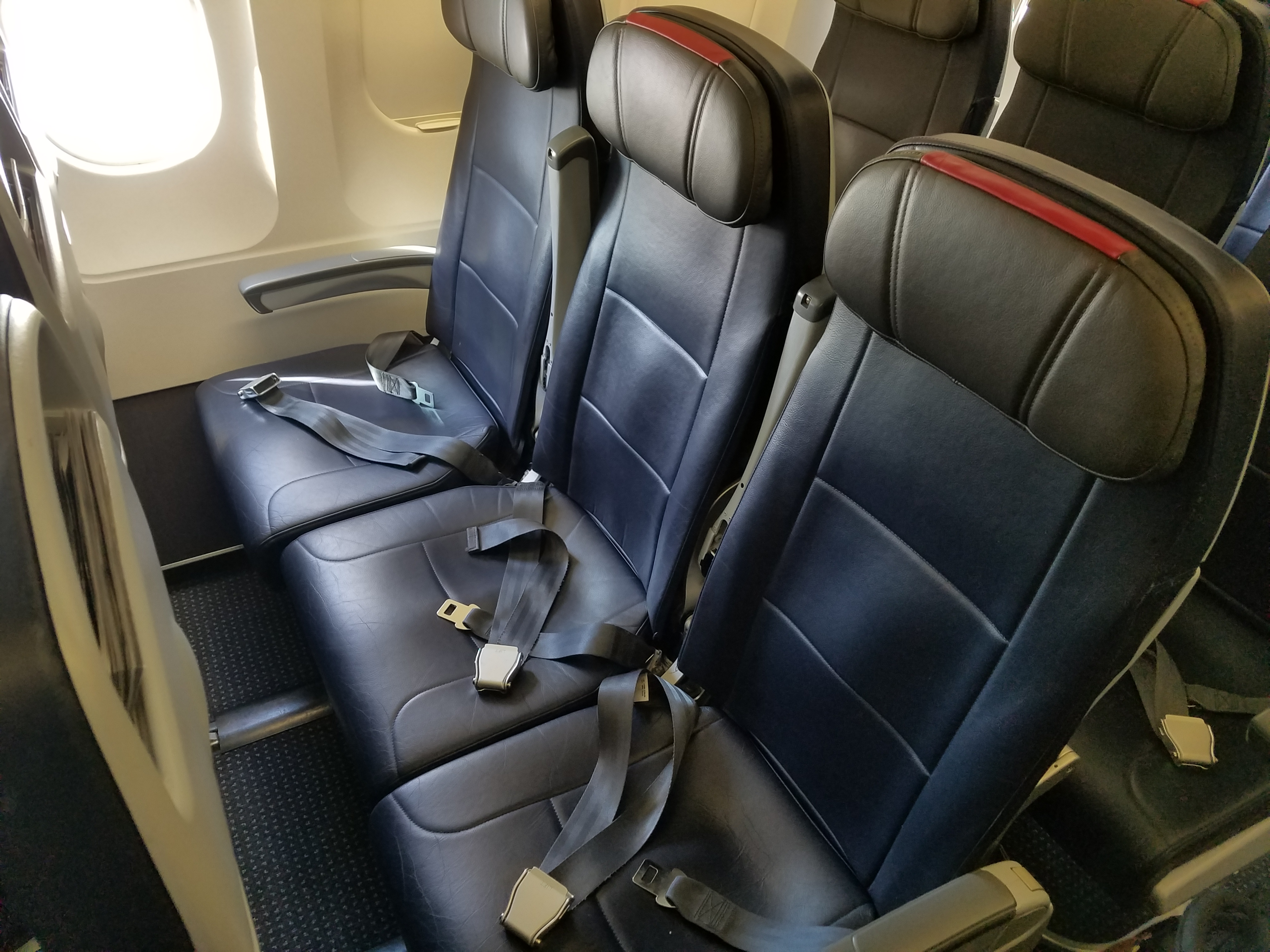
The number of travelers in a booking can change the price of an airline ticket by hundreds of dollars. A solo passenger searching American Airlines for a one-way Miami-to-Charlotte flight saw a $496 main cabin fare. When the search included two passengers, the same cabin showed a $155 fare per person. A lower $100 basic economy fare appeared for two travelers but not for one.
That gap matters because most travelers compare prices for the party they plan to book, and many people fly alone for reasons unrelated to a business trip. A search for one passenger can miss a fare that requires two people to travel together. Recent fare comparisons suggest this kind of restriction is concentrated at American, though it also appears on some United flights.
How common the fare gap appears
Kyle Potter of Thrifty Traveler compared prices for one passenger with prices for two across 5,000 domestic nonstop one-way flights. The sample included 1,000 flights from each of the five largest U.S. airlines. In that comparison, a solo traveler faced a higher fare on 33.5% of the American Airlines flights and 10.6% of the United Airlines flights.
The researchers found no such difference among the 1,000 flights they checked for each of Delta Air Lines, Alaska Airlines and Southwest Airlines. On affected flights, the average price gap exceeded $90 at American and $64 at United. The restriction also appeared on some round trips and short international itineraries.
The comparison points to more than an unusual pricing quirk. The practice appeared more often on routes where American or United had no nonstop competitor, and it was especially common in American’s Charlotte and Philadelphia markets. That pattern suggests passengers may have fewer alternatives precisely where the fare difference turns up more often.

Passenger count as a pricing signal
Airlines use booking rules to sort customers by how much they may be willing to pay. A traveler booking alone may be traveling for work, with an employer covering the bill. A couple or family booking together may be paying out of pocket and more likely to choose the cheapest available option. The number of passengers on a reservation becomes a rough clue about the trip and the buyer.
It’s a blunt clue. Someone might travel alone to meet family members arriving from another city, while friends going on vacation might book separately. A parent could leave later to join a spouse and children. A solo trip might be for a funeral. In each case, the passenger count says little about the traveler’s budget or reason for flying.
Airlines have long used fare conditions to distinguish between travelers. Advance-purchase deadlines, round-trip requirements and Saturday-night stays once helped limit access to cheaper fares for people whose plans looked more like business travel. Low-cost carriers made low fares available with fewer such conditions, putting pressure on the large airlines’ ability to charge business travelers more.
Basic economy has become one way to offer a lower price while attaching restrictions that some customers won’t accept. Requiring two or more people to travel on the same booking is another. American calls its version Multi-Pax Fares; eligibility depends on passengers booking and traveling together.
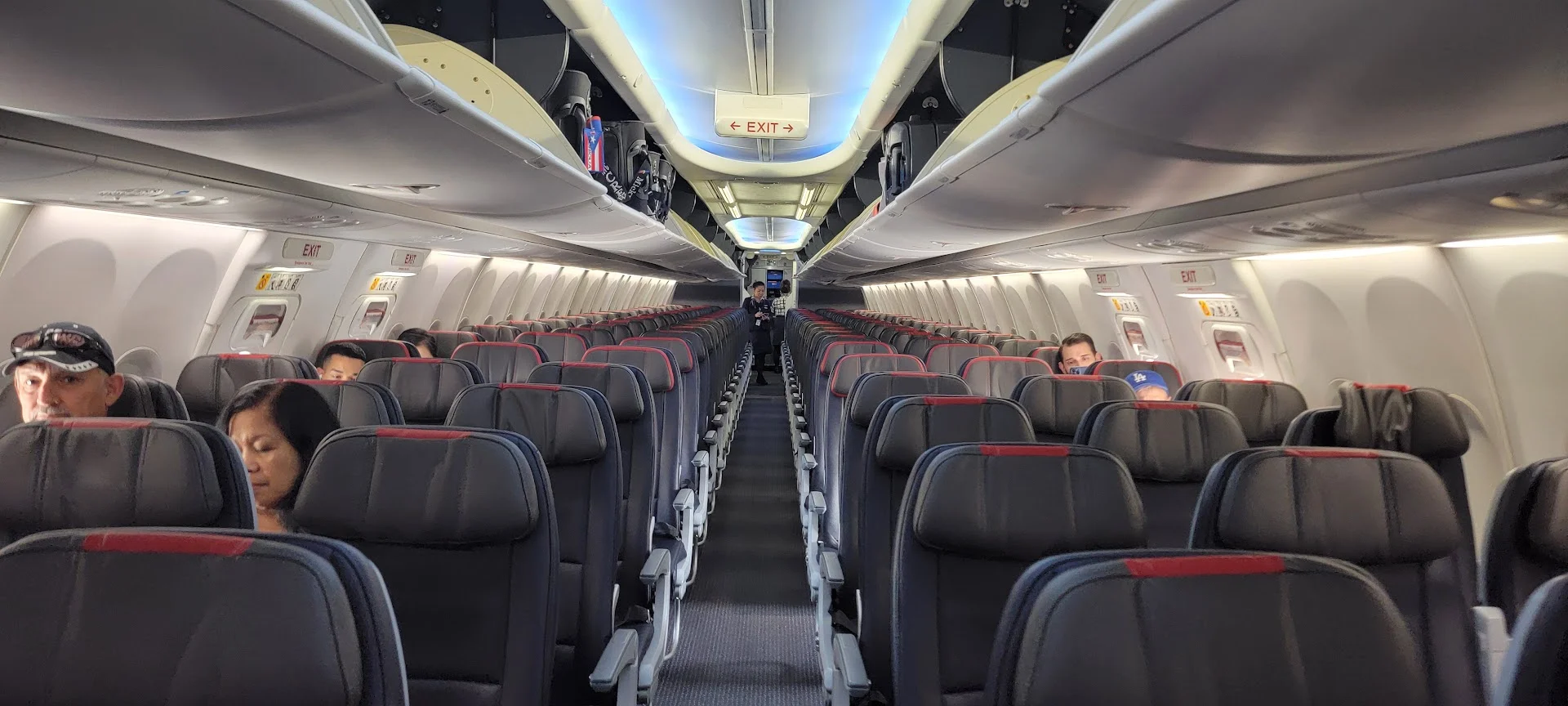
Discount for a group, or a surcharge for one?
From the solo passenger’s perspective, the distinction can feel academic. Someone else gets a lower fare for the same seat on the same flight, while the only way to access that price is to bring a companion. The frustration is sharper for people flying alone because of circumstance, and the booking condition may not be obvious during a routine search.
There’s another way to describe the policy: a discount for two people traveling together. Journalist Scott McCartney made that comparison in a discussion with former American Airlines CEO Doug Parker, who argued that different fares can help fill a plane while bringing in enough revenue to run the flight. The label changes the framing, but not the practical effect on a person who has to book alone.
Airlines are deciding which passengers can see their lowest fares, rather than simply raising every fare by the same amount. The commercial logic is to charge closer to what each customer will pay. That can help airlines sell seats to price-sensitive leisure travelers while charging more to passengers who may have fewer choices or a greater willingness to pay.
When Delta and United withdrew some fares after the practice attracted attention last year, the cheaper options disappeared. Removing a low fare doesn’t automatically make tickets cheaper for everyone; it can leave fewer low-price options in the market.
Some commentators have argued for family pricing at museums and parks, where charging for every child can make an outing expensive. But this airline fare isn’t specifically a family rate: two unrelated adults may qualify, while a parent who books separately to meet a spouse and children may not. The booking rule follows the reservation, not the family relationship.
Search with the whole party in mind
For anyone arranging travel for a group, the practical lesson is simple: enter the number of people who will actually travel before deciding which flight to book. A search for one passenger may hide a lower fare available only to a larger party. Comparing both searches can reveal whether the per-person price changes and whether the total cost works for everyone.
There’s also a separate reason to check prices for different party sizes. Airlines may have only one seat left at a low fare. If that seat costs $100 and the next fare is $200, a two-person search might price both passengers at $200, for $400 total. Booking separately could instead yield one $100 ticket and one $200 ticket, for $300 combined.
That tradeoff means the cheapest result depends on the fare rules as well as the number of seats left at each price. When a low fare requires two people on one reservation, searching for a single passenger won’t show it. Compare the total price for the group across the relevant searches, and check what conditions apply before booking.
Buying two tickets and then canceling one is not a dependable shortcut. American’s published instructions say that if a cancellation leaves one passenger on a multi-passenger fare, the remaining ticket must be repriced to an eligible fare. A traveler considering a booking change should account for that rule, since the remaining ticket’s price may change.
Different fares can help airlines fill seats, but opaque conditions make it harder for passengers to understand why one search costs more than another. Clearer information about who qualifies would make comparisons more useful, particularly on routes with limited nonstop competition. Until then, the passenger count in the search box is part of the fare calculation—and checking the actual party size may reveal a price a solo search never displays.
===DONE===


Discussion
Sign in to join the discussion.