Kirby says a promised path to American’s top job ended in his 2016 dismissal. He later became United’s CEO and credits the setback with shaping his leadership.
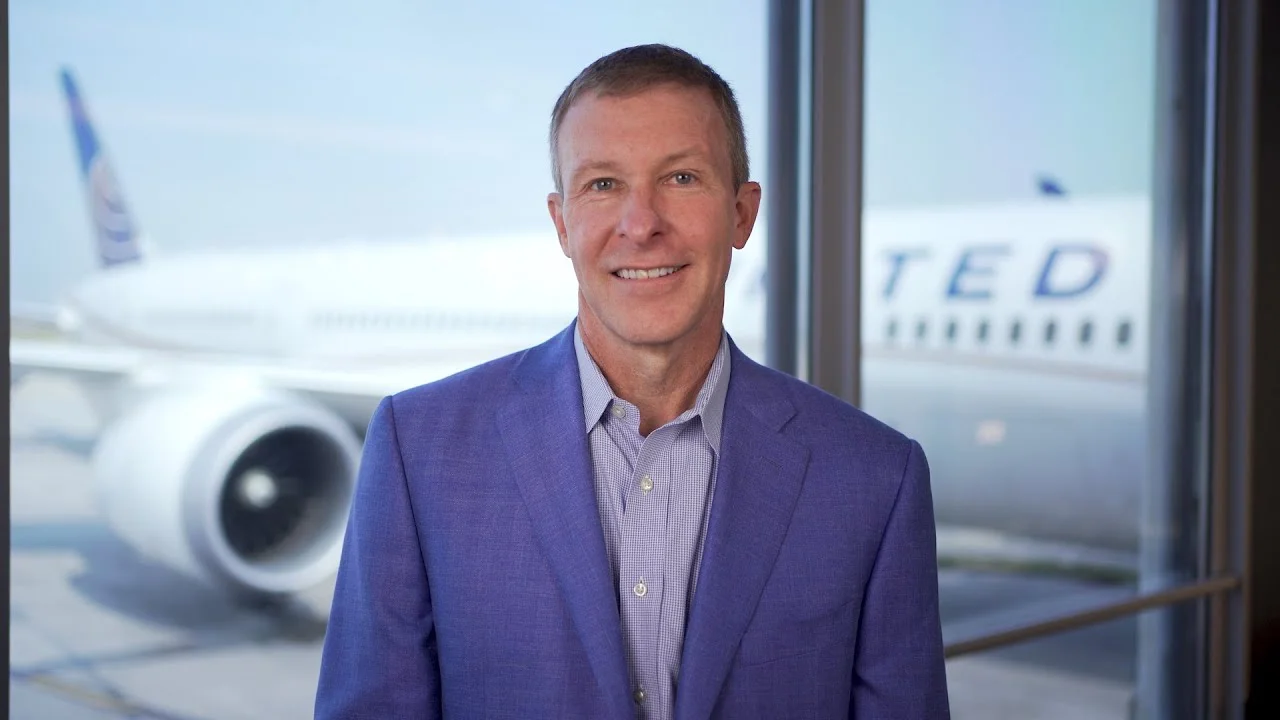
Scott Kirby’s account of his 2016 departure from American Airlines adds a pointed detail to a decision that helped shape the leadership of both American and United. Kirby says Doug Parker had promised he’d become American’s CEO, then reversed course and fired him. The claim turns a familiar executive reshuffle into a more personal dispute over succession, trust and control.
In a new interview, Kirby said Parker invited him to dinner in Dallas’s Design District and gave him a retirement date for himself, with Kirby set to take over. His account suggests the succession discussion had moved beyond a vague possibility: he says Parker described a date and a planned transfer of the top job. That distinction matters because it frames Kirby’s departure as a reversal of an understood arrangement, rather than simply a disagreement about who should lead.
“Three months before I got fired, Doug took me to dinner, down in the Design District, to say he was going to retire on a certain date, and I would be CEO on that date,” he said. “One day he walks in, stands in the doorway, and says ‘I’ve changed my mind, and you and I can’t work together anymore.’”
A leadership choice with lasting consequences
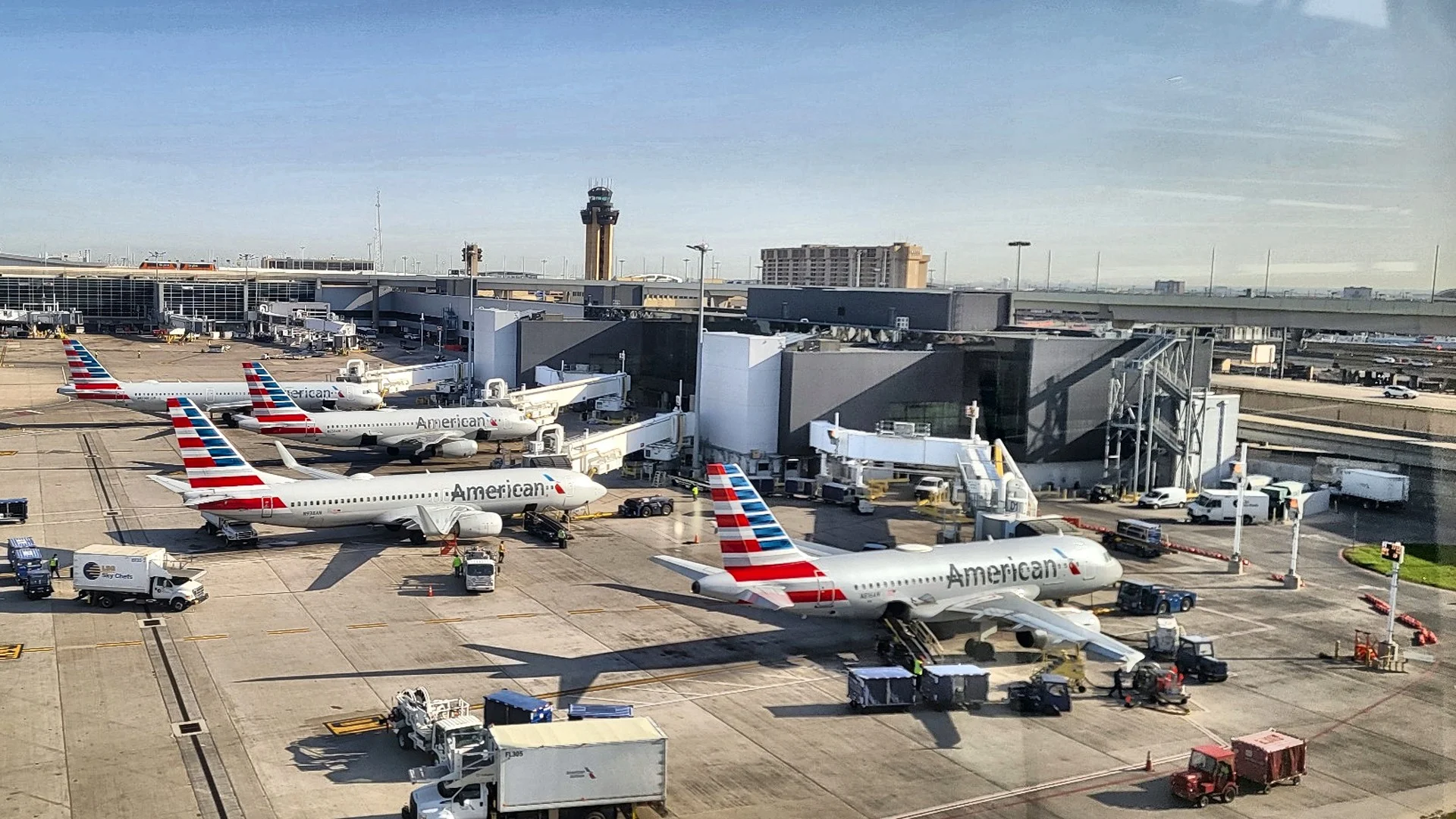
American said at the time it couldn’t keep all three senior executives. Parker chose to remain CEO, Robert Isom took over Kirby’s president role, and Kirby left for United. The company’s explanation captures the practical problem of a crowded leadership structure, but it doesn’t resolve the central question in Kirby’s telling: why a succession plan he says had been discussed was abandoned.
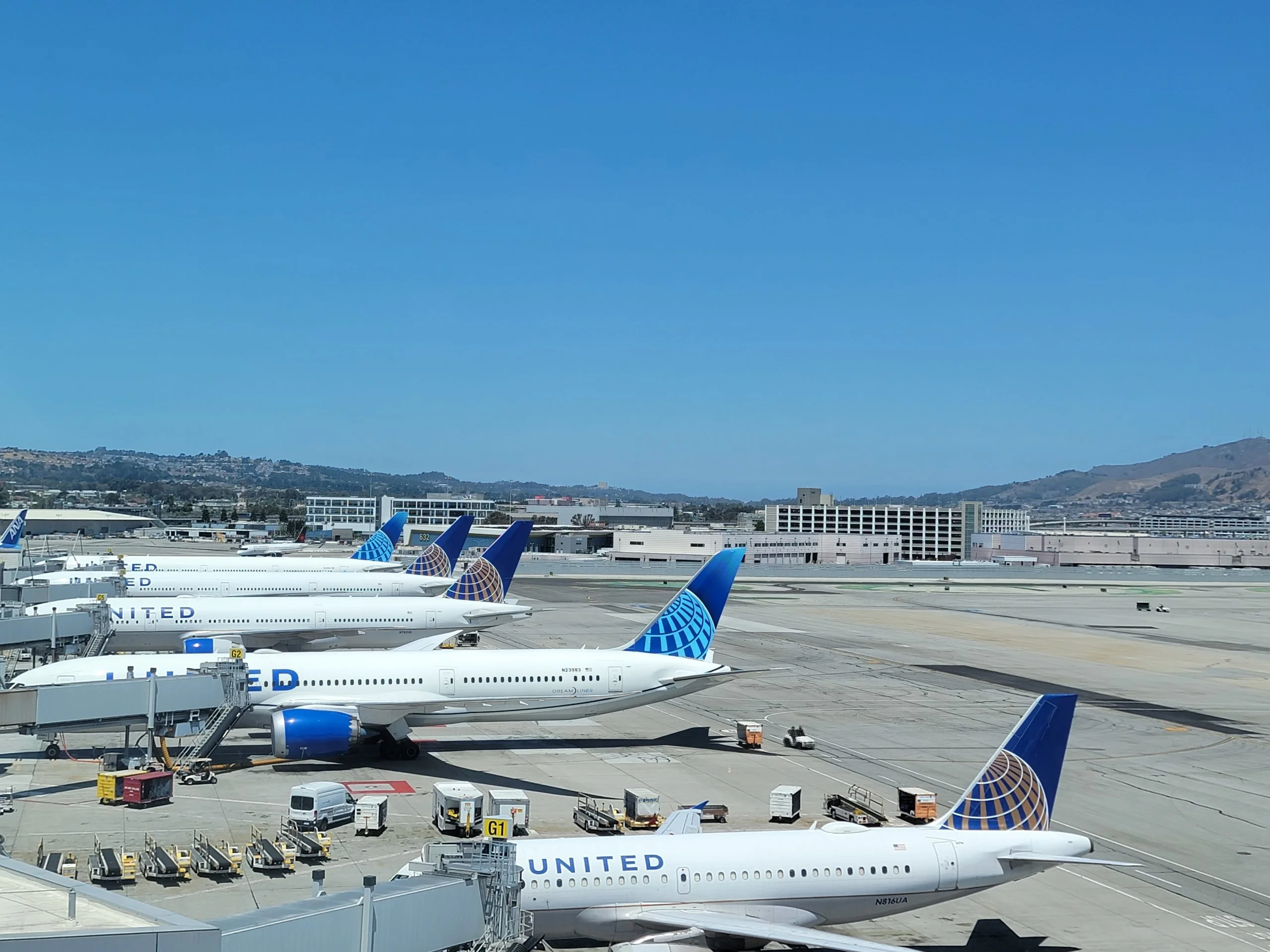
Isom became American’s CEO in 2022; Kirby became United’s CEO in May 2020. Those later appointments give the 2016 decision a long institutional tail. The executives didn’t simply move on to different roles: they went on to lead competing airlines, and their choices now shape how each company is judged by employees, customers and the industry.
American paid Kirby about $13 million in severance. With no non-compete agreement, he was free to join a direct rival, bringing experience from American’s post-merger operations. Kirby has said he was “extremely motivated to prove something.” That combination of industry knowledge and personal motivation would have made his move to United consequential even without the later promotion to CEO.
Earlier coverage described the split as a clash over succession: Parker wanted more time in the role, while Kirby was prepared to lead. Kirby’s interview sharpens that interpretation by saying the two had already discussed a specific handover date. That’s still Kirby’s account of a private conversation, but it gives the dispute a clearer shape: a leadership decision apparently changed after expectations had been set.
The departure also gave Kirby a chance to reassess his leadership. He says the experience made him a better CEO at United than he would have been at American. The claim is striking because it treats a painful professional setback as a source of management experience, while also leaving open how different his leadership might have been had the succession gone as he expected.
“I’m a better CEO of United than I would have been CEO of American. There were things, particularly about how to bring people along. … I don’t know if I would have learned them. I might not have if I’d have just stayed at American and never had to go through that.”
Kirby’s American record follows him
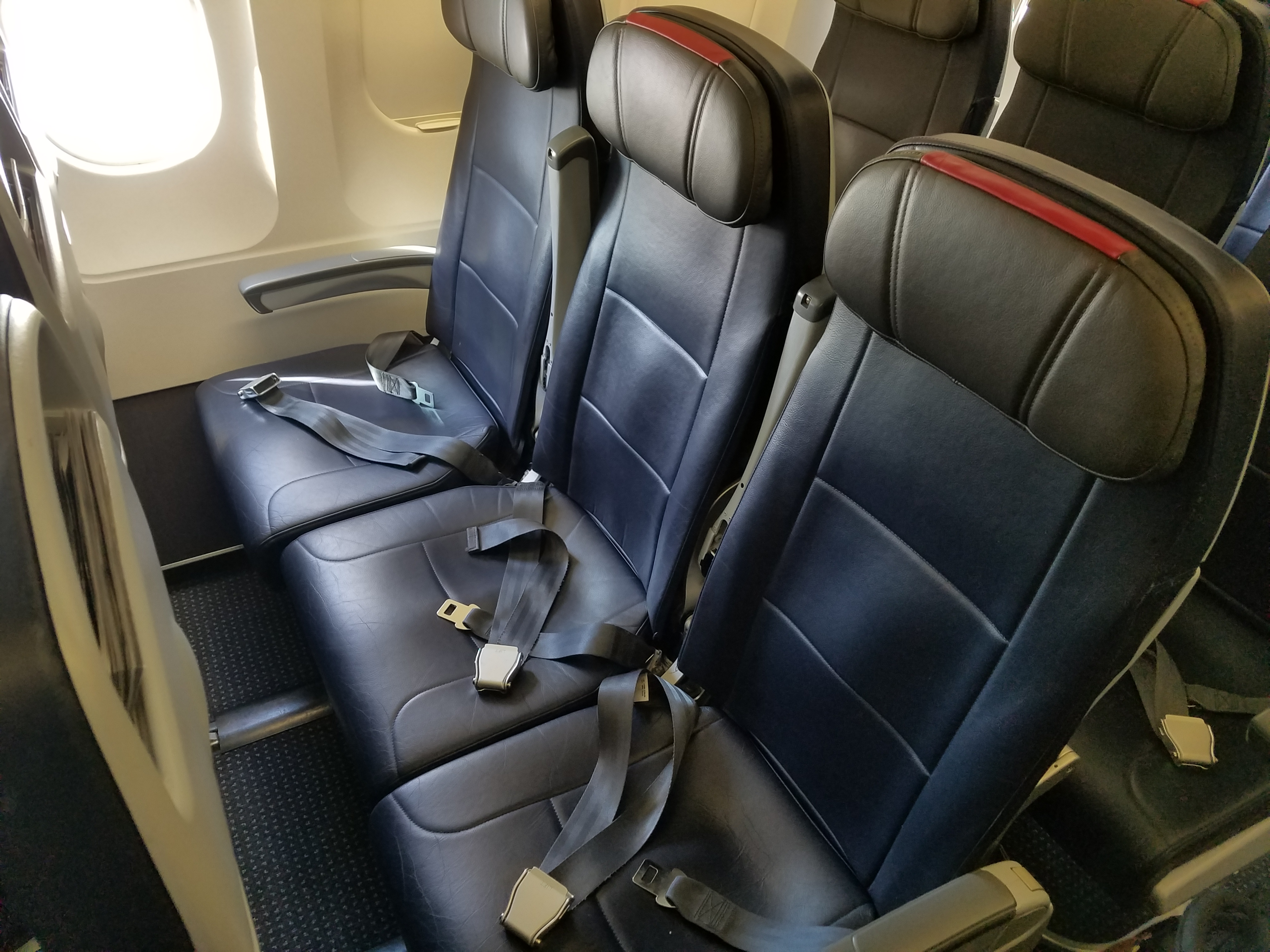
Kirby helped lead American through its early post-merger years, a period that included cost-cutting choices such as ending first-class meals on some flights in 2014 and opting for tighter-pitch seats without seatback entertainment screens on its domestic fleet. Those decisions matter to the story because they connect his executive record to customer experience: choices made to manage the business can also become highly visible signs of what an airline values.
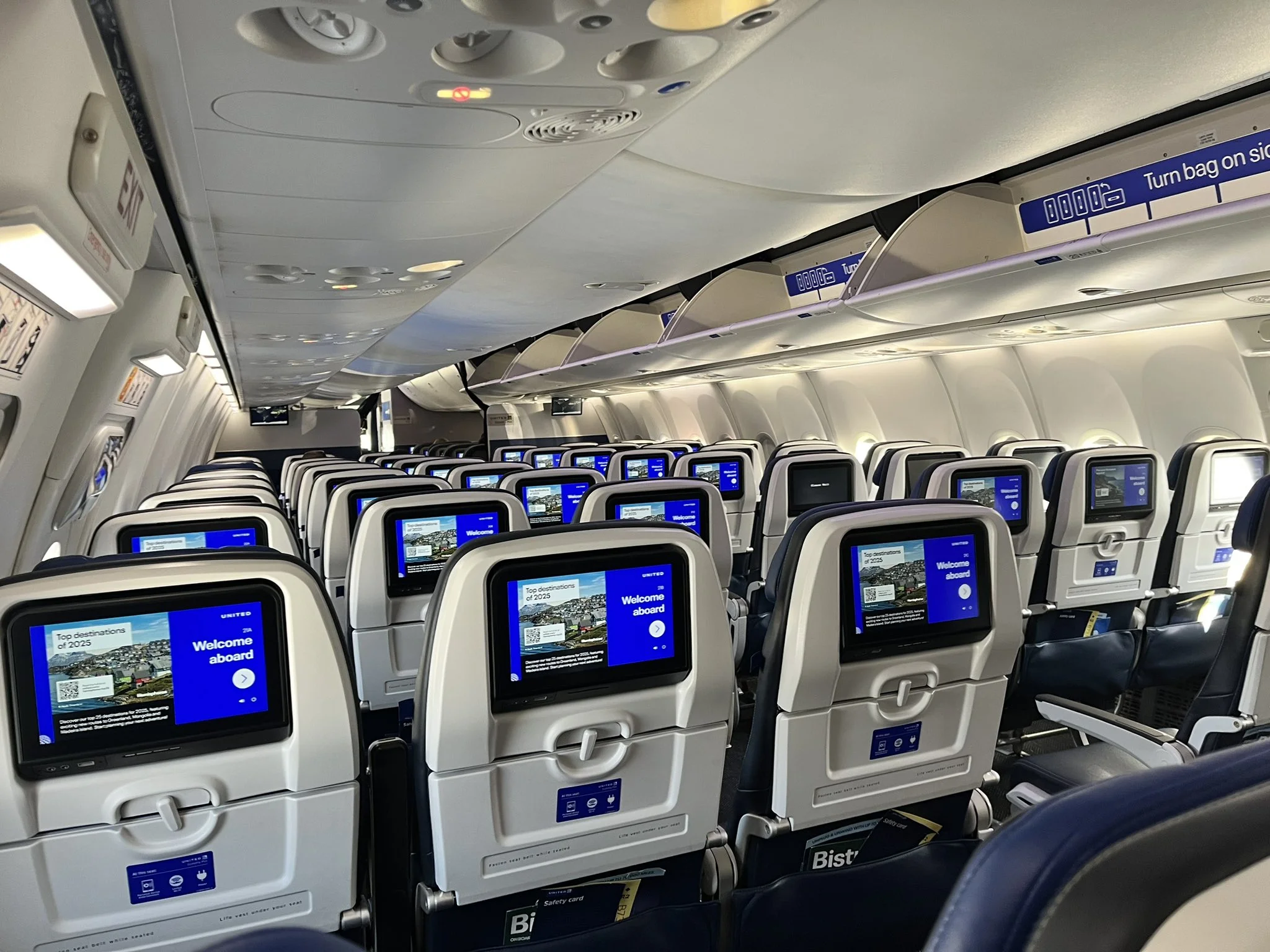
That record gives Kirby firsthand knowledge of American’s strengths and weaknesses. The article argues that United has made greater improvements than any other major U.S. airline over the past decade, while American’s performance has weakened relative to its rival. That comparison is a broad judgment, but it helps explain why Kirby’s history at American remains relevant: he knows the company from the inside, and now leads the airline being measured against it.
Kirby also tried to buy American this year, adding another turn to the rivalry that began with his dismissal. The attempted purchase underscores how closely his professional story remains tied to the company he left. It also keeps the old succession dispute in view, even as the airlines’ competition now plays out through their operating choices and results.
What the split means for the rivalry
Kirby says he has reconciled with Parker and considers Isom a friend. That personal repair hasn’t erased the business consequences. American financed Kirby’s exit, and United gained a leader who says the setback changed how he manages. This is more significant than it looks: executive departures can move experience, relationships and institutional memory across a competitive boundary.
If you’re working in this space, the episode is a reminder that succession planning isn’t just a question of naming a future leader. It also depends on whether the people involved believe the plan is real, and whether the boardroom can absorb a change in direction without losing a senior executive to a rival. Here’s the thing: a company can resolve a leadership dispute quickly and still live with its effects for years.
Kirby’s version remains one participant’s account, and the available details don’t settle every question about Parker’s decision. The consequences are easier to see. American lost a senior leader with deep knowledge of its operations; United gained that experience and, later, a CEO who says the ordeal altered his approach to management. A promise, a reversal, and the career that followed.

Discussion
Sign in to join the discussion.