After reviewing Phoenix crew meals, the APA says the tiramisu is safe to eat. Pilots in HIMS should still follow program guidance on food additives and extracts.
Why the union withdrew its warning
The concern was real; the danger wasn’t confirmed. After learning that tiramisu served with some American Airlines crew meals in Phoenix might contain alcohol, the Allied Pilots Association (APA) initially advised pilots not to eat it while the union investigated. The APA has since reversed that advice. After consulting American’s corporate safety team, Phoenix inflight staff, the caterer and other parties, the union says the desserts are safe to eat and pose no aviation safety risk. It says the original alert reflected the information available at the time and put crew safety first. The Phoenix Flight Office raised the issue and helped investigate. The update still includes a reminder for pilots in the HIMS program: large quantities of certain food additives and extracts can affect abstinence monitoring. The APA advises those pilots to contact its HIMS Subcommittee with questions, and says pilots can reach APA Aeromedical with other concerns.What prompted the alert
The initial warning covered crews based in or passing through Phoenix, where a contracted caterer had included tiramisu on some crew meal trays. The union said alcohol might remain in the dessert because it wasn’t cooked after the alcohol was added. It recommended that crew members avoid it and said it was working with the Phoenix Flight Office to remove and replace the item. Pilots were told to accept an incomplete meal and contact union representatives if they had eaten the dessert and were worried about their fitness to fly. Aviation watcher JonNYC shared the alert from the APA’s Aeromedical–HIMS Committee in an October 30, 2026 post. The later retraction changes the practical advice, but the episode points to a gap between a catered meal’s ingredients and what a pilot may need to know about it.Food alcohol and testing are different questions
Alcohol can enter the bloodstream through food, but that alone doesn’t establish impairment or mean a test will detect it. A small serving containing a few grams of alcohol, eaten hours before a random test, would probably not produce a detectable result, based on the FAA’s discussion of how the body eliminates alcohol. The amount in the Phoenix servings hasn’t been specified. There are two separate concerns. Alcohol left in the mouth can briefly raise a breath reading, but federal procedures require a 15-minute wait before a confirmation test to account for mouth alcohol. For pilots in abstinence monitoring after alcohol treatment, testing for alcohol metabolites can detect exposure after the alcohol itself has cleared. That second case is the more consequential one. The distinction matters because a dessert that poses little apparent flight-safety risk can still raise questions for a pilot subject to a separate monitoring program. The APA’s retraction addresses the desserts in this case; it doesn’t remove the need for pilots in HIMS to follow their program’s guidance.Why a menu detail can carry career consequences
A previous case shows how difficult these questions can become. In Erwin v. Federal Aviation Administration, a Delta pilot undergoing alcohol monitoring blamed a positive urine test on pulled pork cooked with beer. The restaurant confirmed beer was used, though the menu didn’t disclose it. The FAA withdrew the pilot’s medical authorization, and Delta required another treatment program and a last-chance agreement for him to keep his job. An appeals court sent the matter back because the agency hadn’t adequately addressed his evidence. That’s a much more serious outcome than a random breath test after a small dessert, and the two situations shouldn’t be conflated. Still, the case helps explain why pilots in recovery may be cautious about ingredients that other diners would barely think about. Pilots returning after alcohol treatment face strict requirements, as covered in this account of a pilot’s dispute with United. American’s meal arrangements have also prompted union complaints before. Pilots have traditionally received meals similar to those served in first class, while a separate dispute over missing meals led the union to tell pilots to get replacements from the terminal before departure. In Phoenix, the meal arrived. The union’s initial advice was to leave the dessert uneaten.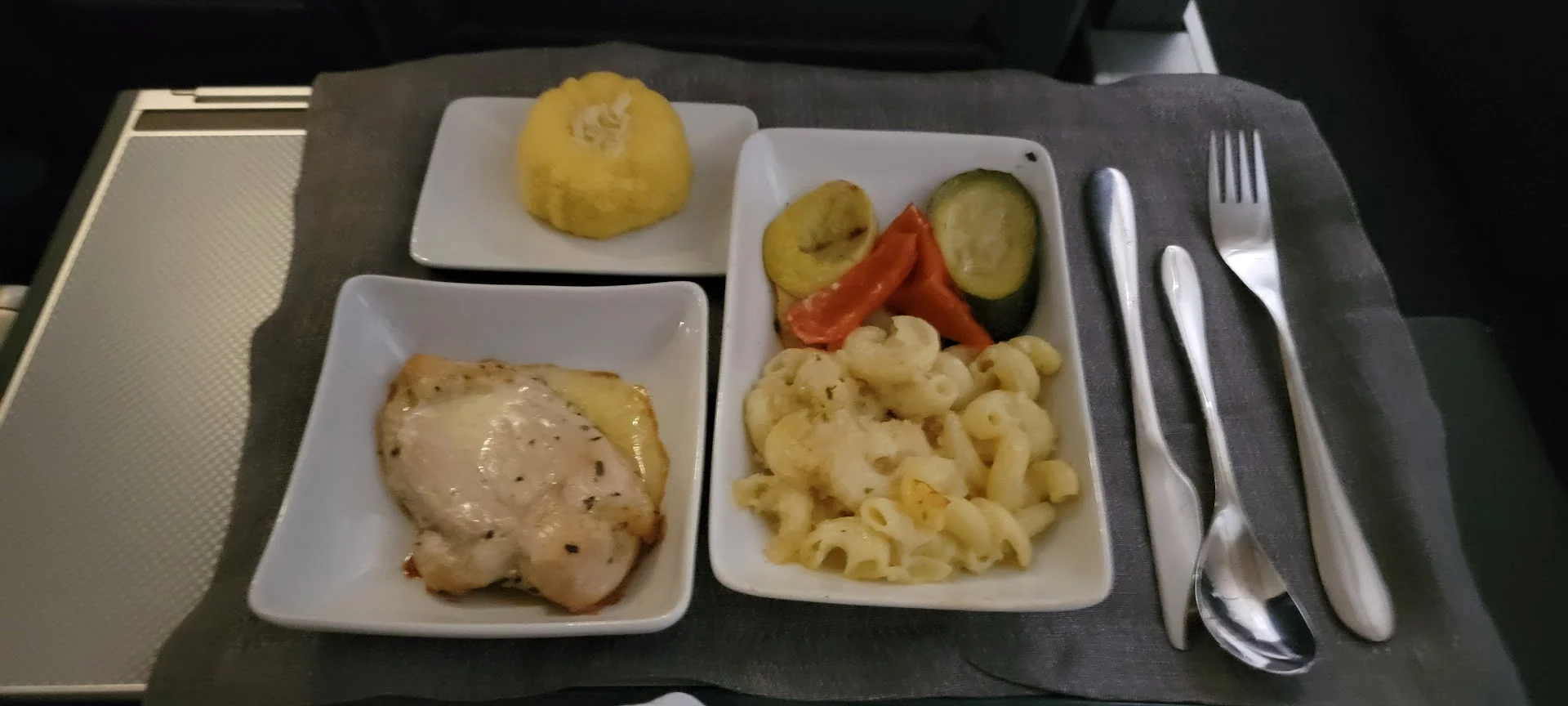
American Airlines Meal Tiramisu doesn’t require alcohol, and cooking doesn’t always remove it. A government reference on alcohol retention in cooking documents that substantial amounts can remain, though the amount in an individual portion would be small. It’s not clear from the available information why alcohol was added to these desserts or how much a serving contained.
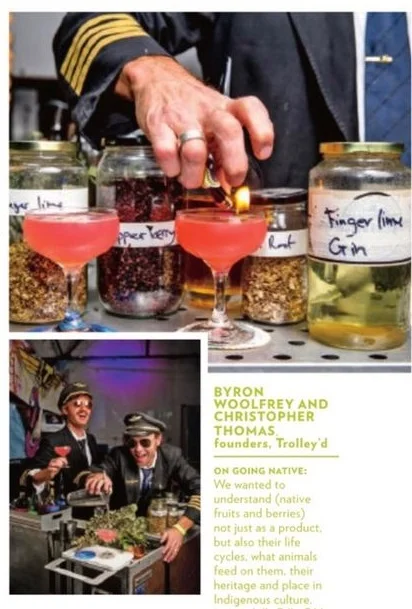
 American has also apologized for an inflight magazine image of bartenders dressed as pilots mixing cocktails; it pulled the magazine from aircraft at the time. The photos appeared in a 2017 American Way magazine controversy.
 “The Tiramisu? What is it?”
“It’s a little dessert in the front of the plane where the pilot’s career used to be, but that’s not important right now.”
Allied Pilots Association · American Airlines · FAA · Federal Aviation Administration · Tiramisu · Delta Air Lines · Phoenix

Discussion
Sign in to join the discussion.