Travelers report airport Visitax requests as high as 550 pesos, while Quintana Roo’s published rates differ and collection practices remain unclear.
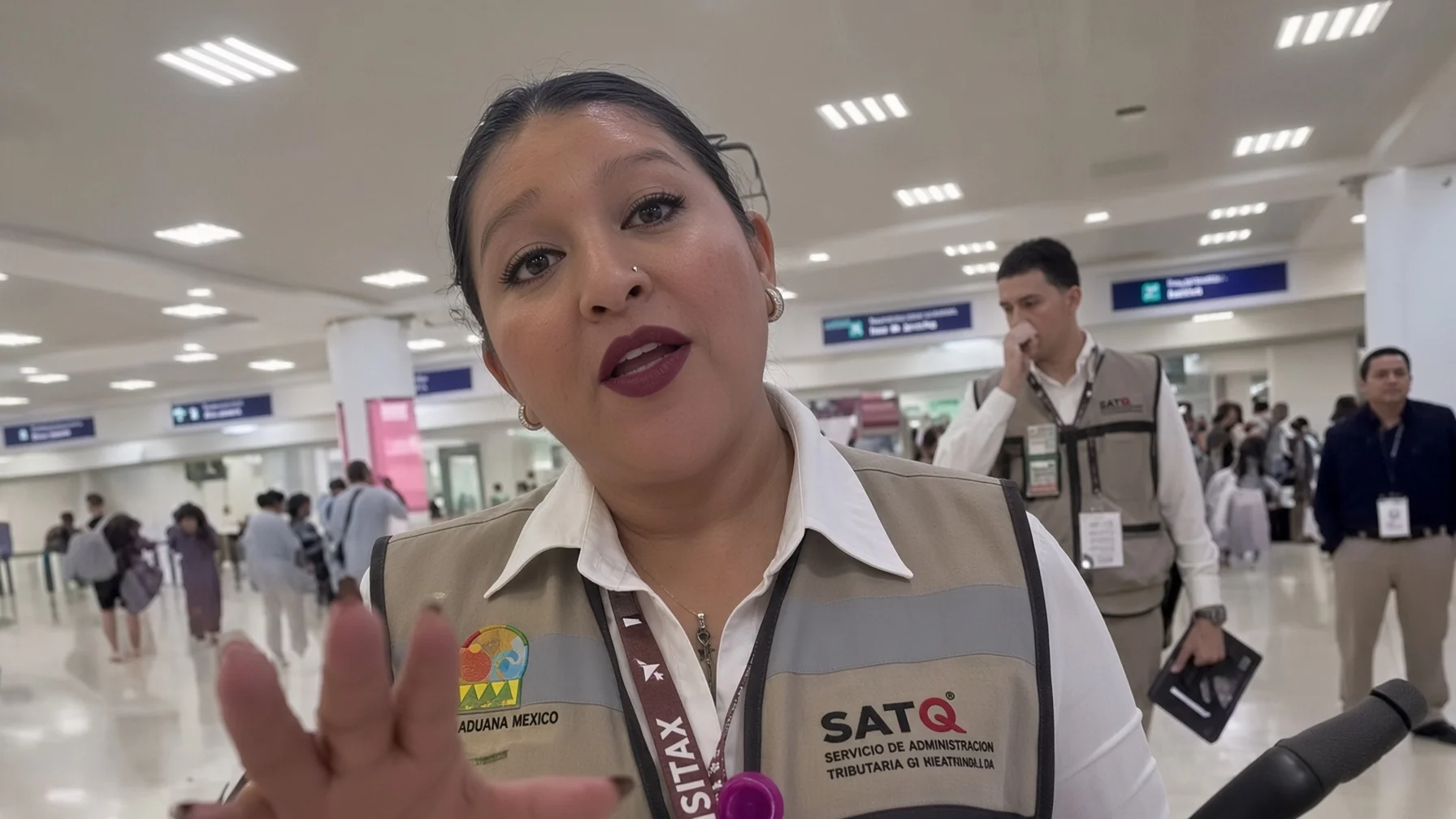
Visitax’s airport collection is testing traveler trust in Quintana Roo: visitors face conflicting price information, and some report being asked for nearly twice the stated tax. A video from Cancun airport shows a vacation rental owner challenging staff in Visitax vests to explain the charge. “Tourists are going to stop coming,” she warns.
The dispute isn't simply about the size of one fee. It’s about whether a visitor can tell what’s owed, who’s entitled to collect it and whether the amount requested matches the government’s published rate. For travelers who’ve just arrived, those questions can turn a routine payment into a confrontation.
Conflicting rates, unclear collection
Quintana Roo has charged the tourist tax since 2021. Because it isn’t included in airline tickets, travelers must work out whether they’ve paid, what they owe and whether the person collecting payment is authorized. That puts the burden of checking the rules on visitors, who may be unfamiliar with the tax before they arrive.
The amounts don’t line up. In December 2025, the state said the tax would stay at 285 pesos through 2026. The tax agency now lists 293 pesos, while travelers have reported airport requests of up to 550 pesos. The 293 peso charge is about $15.70 per person, in addition to the federal visitor charge, hotel taxes and city environmental fees.
Those figures leave a basic question hanging: which amount should a traveler expect to pay at the airport? The source of each figure matters, but passengers shouldn’t have to reconcile separate announcements, agency listings and reports from other visitors while standing at a collection point. A gap between a published rate and a request approaching twice that amount calls for a clear explanation at the point of payment.
The government payment site recognizes both its own portal and authorized private collectors. That leaves visitors with little clarity about how much an airport payment reaches the state and how much goes to the company processing it. Authorization can explain who’s permitted to handle the transaction; it doesn’t, by itself, tell a traveler why the requested price differs from the agency’s listed amount.
Here’s the thing: even a legitimate fee becomes harder to trust when the collection process doesn’t make the price and recipient clear. That’s a communication problem as much as a payment problem.
Why the airport remains the collection point
The woman filming says she rents vacation accommodation and needs to explain the charge to her guests: “I have to pass that information on to my tourists.” The governor, Mara Lezama, says airport collection will continue because “there’s no other way.” The state previously asked hotels to collect Visitax, but hotel owners declined.
That history helps explain why the airport has become the practical point of contact, but it doesn’t make the experience straightforward for arriving passengers. A tax collected at the airport meets visitors at a moment when they’re trying to complete the arrival process and reach their accommodation. If its rate or collection method is unclear, there’s little distance between an administrative question and a dispute over whether the charge is proper.
Visitors can pay directly through visitax.gob.mx, which provides a QR-code receipt. But keeping collection at the airport preserves the moment of uncertainty for passengers arriving in Quintana Roo.
The direct payment option gives travelers a way to use the government site and retain a receipt. It also puts the onus on them to know about the tax and find the payment channel before or during their trip. If you're working in this space, the distinction matters: offering a digital option doesn't necessarily answer questions raised by people who encounter a different request at the airport.
And this is the part most people overlook: the collection point shapes how visitors judge the tax itself. A clear price, a visible explanation and a receipt can make a fee easier to understand. Without those cues, passengers may judge the whole process by the most confusing interaction they have.
A cost to visitor confidence
Replies to the video include accusations of a “narcotax” and comments such as “never again to Cancun.” That reaction matters to local rental owners who depend on repeat bookings and steady visitor demand. The comments don’t establish how many travelers will change their plans, but they show how quickly a fee dispute can become a broader complaint about the destination.
The rental owner’s concern is especially direct: she says she has to pass information about the tax on to guests. When the available rates conflict, that puts local hosts in the awkward position of explaining a government charge they may not control. They can point visitors to the official site, but the airport experience may still raise questions about the amount collected there.
The tax also lands amid other complaints about Cancun travel costs, including a reported $1,000 taxi charge for a two-minute ride between terminals and a Marriott currency conversion that added roughly 15% to a bill. Those reports describe different transactions, and they don’t show that every visitor encounters the same problems. Together, though, they help explain why another unclear charge can carry more weight than its price alone suggests.
Visitax is a relatively small charge by comparison, but inconsistent rates and unclear collection make it harder for travelers to know what they’re paying. This is more significant than it looks: visitors may remember the uncertainty and the way it was handled, not just the amount on the receipt.
That said, the video and its replies are a snapshot of public reaction, not a measure of the tax’s effect on tourism. The source offers no basis for predicting how many visitors will stop coming. What it does show is a preventable point of friction between a published rate, an airport request and the people expected to explain the charge.
Until the price and payment process are easier to verify, the airport counter risks turning a modest tax into another reason to distrust the arrival experience. A straightforward explanation of the amount, who collects it and how travelers can confirm payment would address the questions at the center of this dispute. For visitors arriving in Quintana Roo, clarity is the difference between understanding a fee and wondering whether they’re being charged correctly.


Discussion
Sign in to join the discussion.