Hilton may let select service hotels charge for parking from January 2027, while Alaska plans to phase out mini soda cans and other travel changes surface.
Hotel fees and airline service tweaks are putting small details of the travel experience in focus. A parking charge can change the apparent cost of a hotel stay, while the size of a soda can affects how cabin crews serve passengers. Neither issue is a sweeping change to travel, but both show how operators adjust service and pricing through decisions customers encounter directly.
Hilton parking rules may change
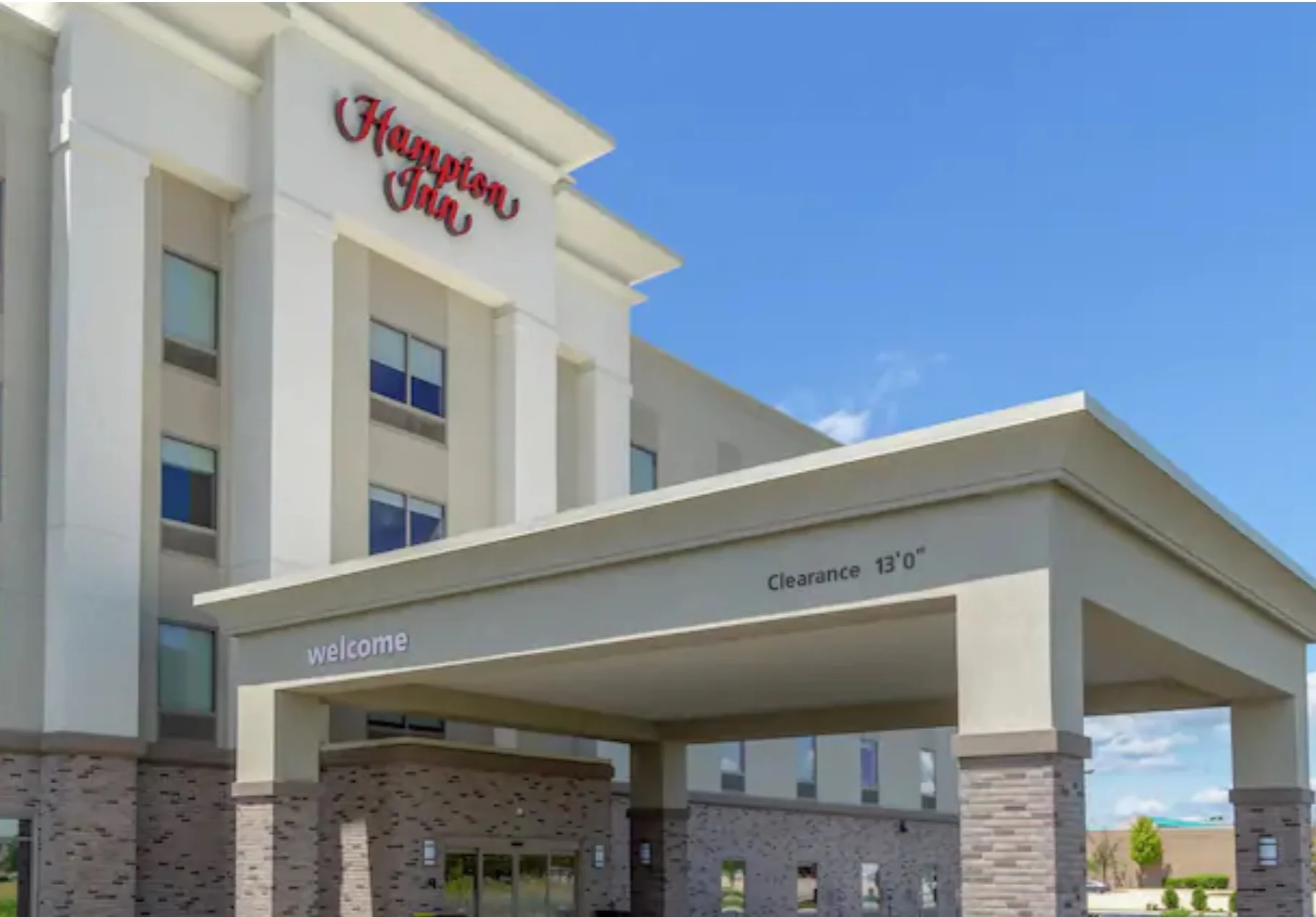
A Reddit post says Hilton plans to update its brand standards in January 2027, allowing select service hotels to charge for parking without first obtaining a waiver. That account describes a possible change to the rules, not confirmation that every property will add a fee. The distinction matters: permission creates an option for hotel owners, while whether they use it may depend on local conditions and how guests respond.
If adopted as described, the policy could reach properties well beyond urban centers. Even a Hampton Inn in a small Kansas town with ample parking could add an overnight fee, making this more than a question about crowded city hotels where parking is scarce and expensive to provide. For travelers, the practical issue is whether the room rate still gives a clear picture of the cost of a stay. A separate charge can make comparison harder, especially when fees vary from property to property.
Hotel brands set standards across properties that may have different owners and local economics. A change in what the brand permits can therefore widen an operator’s choices without dictating the same decision everywhere. That flexibility may suit some properties, but guests will have to check the parking terms for the specific hotel they’re booking.
Airline service notes
Butter chicken drew praise as an economy class meal after JonNYC posted about it on October 27, 2026. The dish was served on Volotea, a reminder that airline food can attract attention when it feels more considered than passengers expect from a standard cabin meal. A favorable response to one dish doesn’t establish what the airline serves across routes or how consistently it’s prepared, but it does show how a single service detail can shape travelers’ impressions.

Butter chicken on Volotea
I also discussed airlines on the Load Bearing podcast. Meanwhile, prices at Burbank’s new terminal are drawing complaints, including a reported 5% sustainability fee. Those are different kinds of passenger-facing details: one concerns the meal in the cabin, the other the cost of buying something at the airport. Together, they underline how travelers judge a trip through many small transactions and service moments, not just the flight itself.
Here's the thing: customers often notice these details most when they feel unexpected. A fee can prompt questions about what it covers, while a good meal can stand out precisely because airline food is often treated as an afterthought. (And this is the part most people overlook.) Small choices can carry more weight than their price or scale suggests.
Branding, rewards and loyalty
Hyatt has opposed Hilton’s application to trademark “Select By Hilton,” arguing consumers could confuse it with Hyatt Select. The dispute, as described here, centers on how similar brand names might be understood by customers. For hotel groups, names help organize different offerings; for travelers, they’re also a shorthand for what kind of stay to expect. The practical question is whether the wording clearly identifies which company is behind a property.
Best Western, meanwhile, is set to replace Best Western Rewards with WorldHotel Rewards. A rewards program’s name is only one part of its value, but a rebrand can affect how easily members recognize the program and connect it with the hotel company. The source doesn’t describe changes to earning or redemption, so the announced name change shouldn’t be taken as evidence that the program’s terms are changing too.
TLC Jet is advertising 100,000 American Airlines AAdvantage miles for first-time customers who make a qualifying private jet charter booking between October 28 and December 31, 2026. Customers must be AAdvantage members; the standard offer earns one mile and one Loyalty Point per dollar in base flight charges. The large headline figure is tied to a qualifying charter, so it doesn’t describe the ordinary earning rate for those bookings. If you're comparing offers, the eligibility conditions and the definition of qualifying charges matter as much as the advertised total.
Alaska drops mini soda cans
Alaska Airlines plans to stop serving individual mini soda cans as its catering supply runs down. The airline expects to resume pouring from full-size cans in mid-November, with the transition continuing into 2027. That means the change depends in part on supplies being used up, rather than taking effect everywhere at once. Passengers may encounter different service during the transition.
Some crews reportedly dislike the change because pouring drinks in the aisle takes longer and can block lavatory access. That concern points to a basic tradeoff in cabin service: a format that uses fewer or different packages can add work during a tightly timed beverage round. And yet the effect won’t be identical on every flight, since route length and crew decisions can shape what’s served. On a few short routes, full beverage service may give way to juice or water.
Small onboard choices can affect both crew workload and the service passengers receive. The mini cans may seem like a minor amenity, but replacing them changes the steps required to serve a drink and may alter what’s available on some flights. A small operational adjustment. For Alaska, the transition will show how a supply decision plays out in the aisle, where passengers experience it directly.
Why the small details matter
These updates don’t point to one common strategy across hotels and airlines. They do show how the travel experience can shift through fees, naming decisions, loyalty promotions, food, and the mechanics of serving a drink. Each change has a different rationale and audience, so travelers shouldn’t assume a single trend explains them all.
What this means for you is straightforward: check the property’s parking terms, read the conditions attached to a miles promotion, and expect that onboard service can vary while an airline changes its supplies. Those checks won’t answer every question about value, but they help separate a headline announcement from what a particular booking or flight actually includes. In travel, the details are often where the promised experience meets the real one.
Discussion
Sign in to join the discussion.