The seasonal route spans 3,433 miles and up to 8 hours 15 minutes. Alaska’s existing network gives it a clearer path to demand than past Anchorage hub plans.
Alaska Airlines is betting that an established Anchorage hub can support a long, thin route to Tokyo on a Boeing 737 MAX 8. The new service links Alaska-based demand with Japan-bound travelers and connections at Narita, though passengers face more than eight hours in a narrowbody cabin.
A seasonal route with a winter return
Alaska Airlines plans to begin daily Anchorage–Tokyo Narita service on May 13, 2027. Flight 21 is scheduled to leave Anchorage at 2:10 p.m. and arrive at Narita at 3:25 p.m. the following day, after 8 hours and 15 minutes in the air. The return, Flight 22, departs Tokyo at 9:45 p.m. and reaches Anchorage at noon, a scheduled 7 hours and 15 minutes later.
Summer flights are scheduled through September 7 from Anchorage and September 8 from Tokyo. After a fall pause, the airline plans to resume the route three times a week in January 2028. Alaska is advertising a $999 roundtrip economy fare for Anchorage-originating trips from May 13 through June 7, 2027, if booked by October 31.
The route covers 3,433 miles. Northwest Airlines last served it in 1999; China Airlines flew between Anchorage and Taipei until 2011.
Alaska starts with a customer base
The route recalls Northern Pacific, later New Pacific, which proposed using Boeing 757s to connect U.S. cities and Asia through Anchorage. That plan struggled to attract connecting passengers from cities with existing nonstop service to Asia, and Russian airspace restrictions added another obstacle. The airline never built its planned Asia network and ultimately shut down.
Alaska comes to the route with a different foundation: an Anchorage hub, customers across the state, a loyalty program and existing flights to Tokyo. Likely traffic includes travelers between Alaska and Japan, Japanese visitors heading to Alaska for cruises, and passengers from other Alaskan cities connecting through Anchorage. Connections at Narita could also feed onward trips in Asia; Alaska plans to join American Airlines’ partnership with Japan Airlines. Lower 48 travelers may fill some seats when Anchorage fares make the detour worthwhile.
That last group could include passengers connecting from Austin, where Alaska plans to add Saturday summer service to Anchorage. It creates a one-stop path from Austin to Tokyo on MAX aircraft, though an eight-hour transpacific leg may limit its appeal.
Long, but not a record
Several scheduled 737 routes are longer. GOL’s Orlando–Brasília service spans 3,780 miles, while Arajet flies Santo Domingo–Buenos Aires over 3,750 miles and Punta Cana–Buenos Aires over 3,740. Alaska’s Seattle–Keflavik route covers 3,620 miles, ahead of Icelandair’s 3,540-mile Vancouver–Keflavik service.
There have been longer exceptions. SAS once used a specially configured 44-seat Boeing 737-700, operated by PrivatAir, between Stavanger and Houston on a route of roughly 4,800 miles. That aircraft carried an all-business-class cabin.
Airport incentives help the economics
Enilria estimates that airport fee abatements could amount to about $500,000. The Alaska International Airport System incentive program offers new international passenger services a year of waived charges, including landing, inspection, gate, jet bridge, common-use, ticket-counter and passenger-processing fees.
Alaska’s summer schedule includes 118 roundtrips. At 161 seats per flight, that represents nearly 38,000 roundtrip seats. Dividing the estimated subsidy across that capacity puts the support at roughly $13 per offered seat, or about $16.45 per passenger at an 80% load factor.
Routing and cabin trade-offs
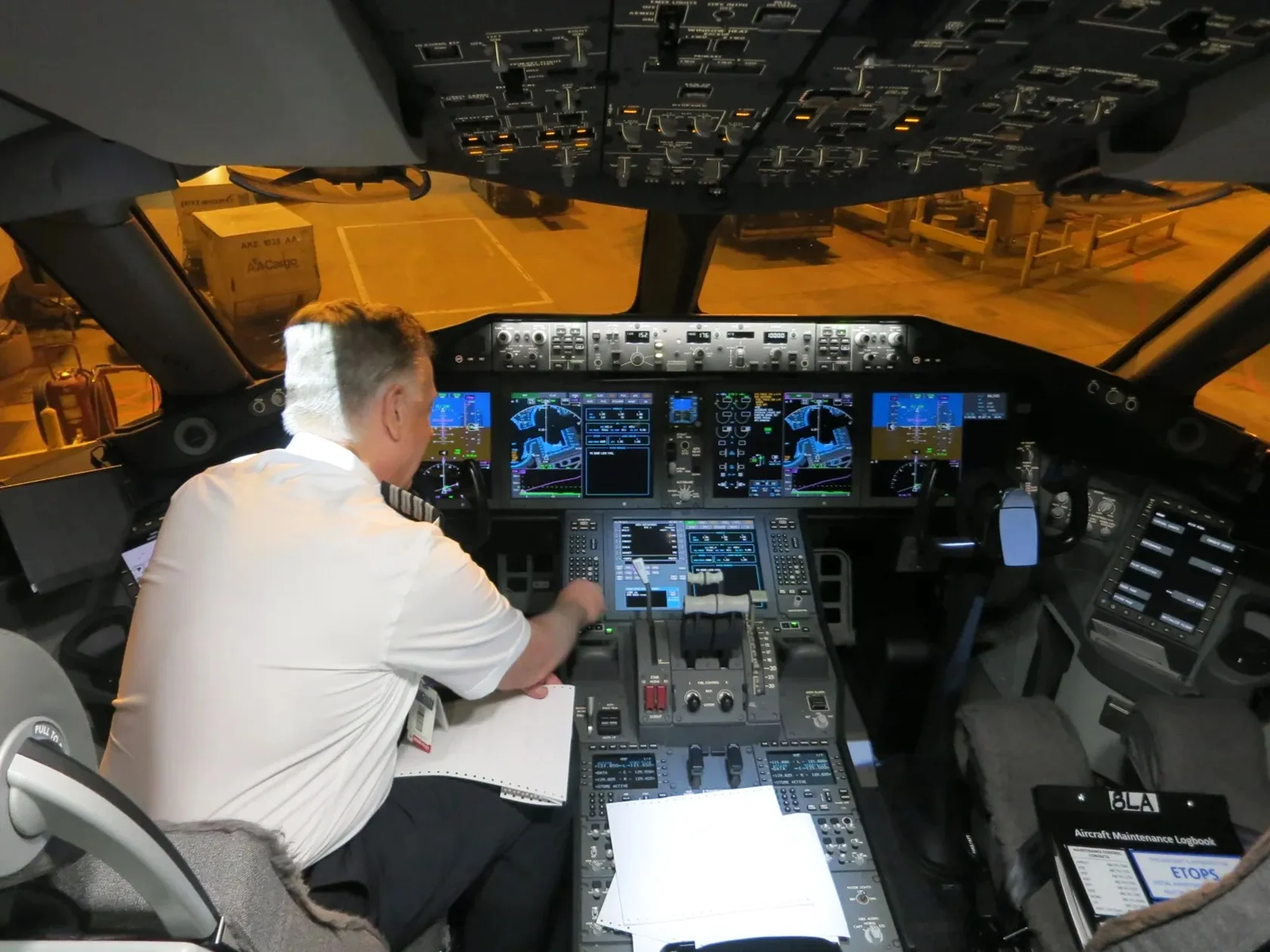
The direct path between Anchorage and Tokyo passes close to Russia’s Far East. Alaska can instead route over the Aleutians and across the Pacific south and east of Russian territory; a path via Shemya is only about 1% longer than the direct distance. The 737 MAX is approved for 180-minute ETOPS operations, and a proposed routing using Anchorage, Adak, Shemya, New Chitose and Narita puts the longest diversion at about 108 minutes.
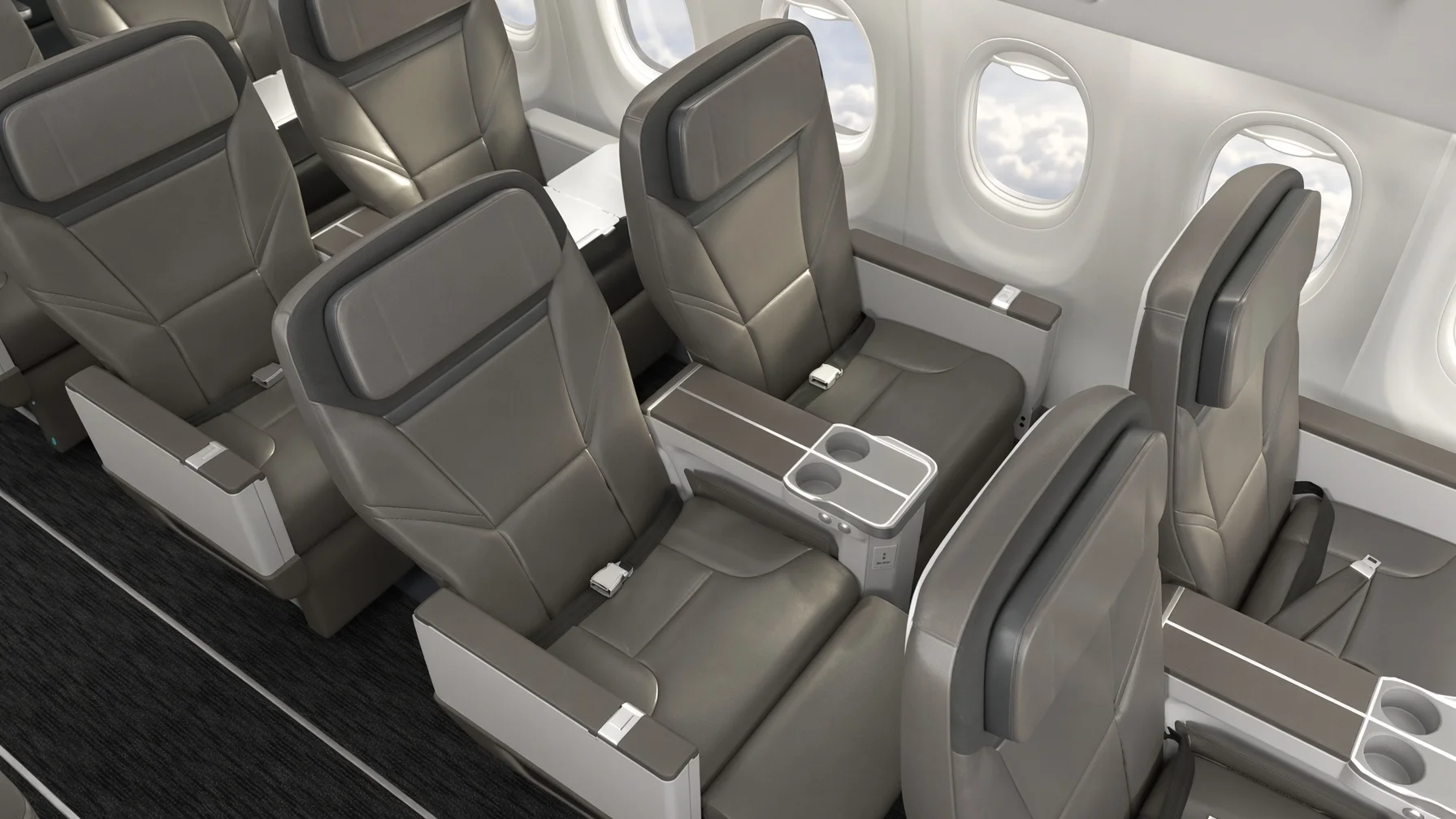
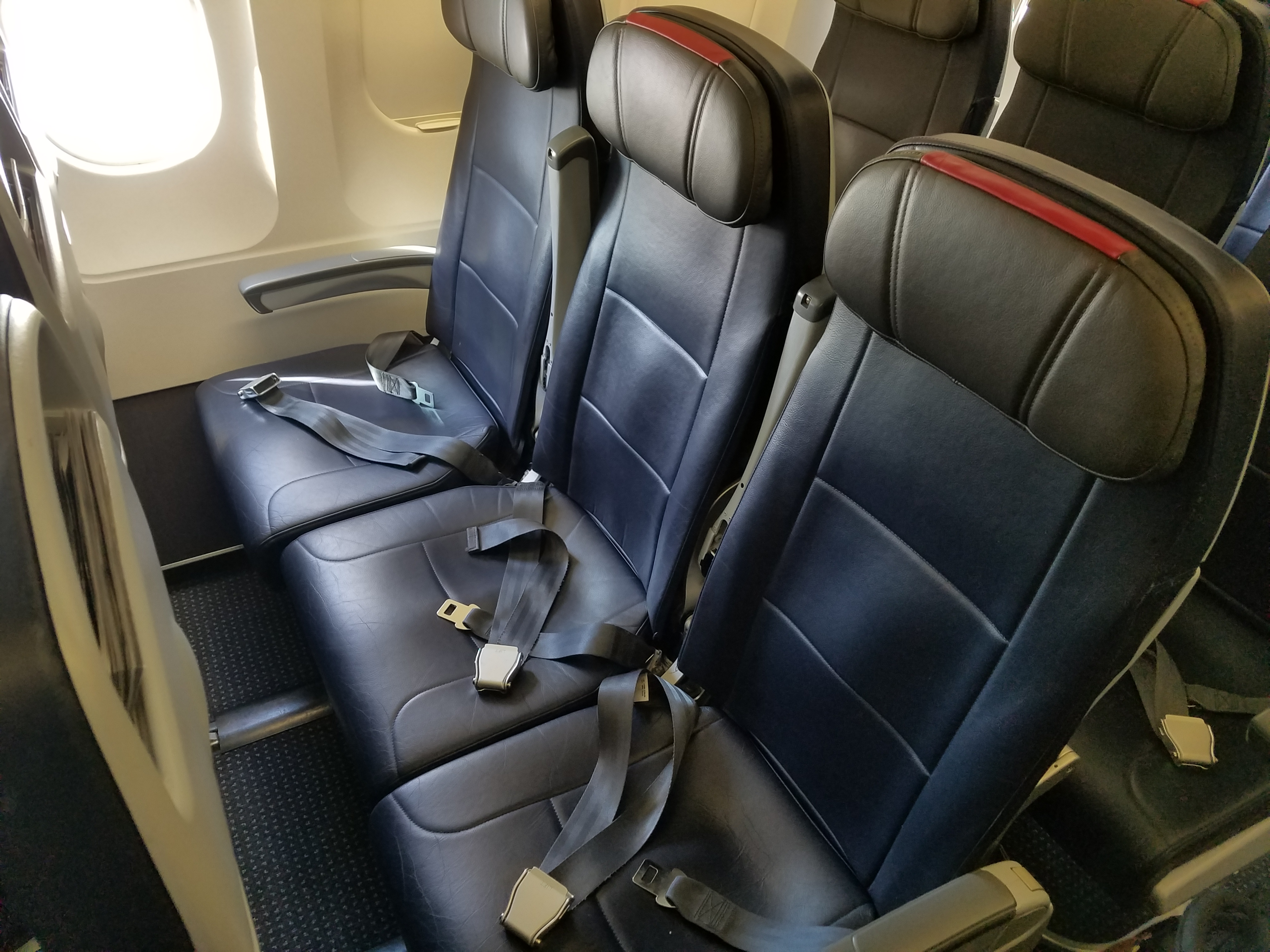
Alaska’s refreshed MAX 8 has 161 seats, including 16 in first class. The cabin has no seatback entertainment screens. Coach passengers will get complimentary hot meals; first class includes upgraded dining, Filson bedding and amenity kits. Even with those additions, the aircraft’s recliner seats make this a demanding flight by domestic-cabin standards. The route’s test will be whether Alaska’s local network and Narita connections can fill enough seats to make that trade-off work.
Discussion
Sign in to join the discussion.